
Last updated November 22, 2026
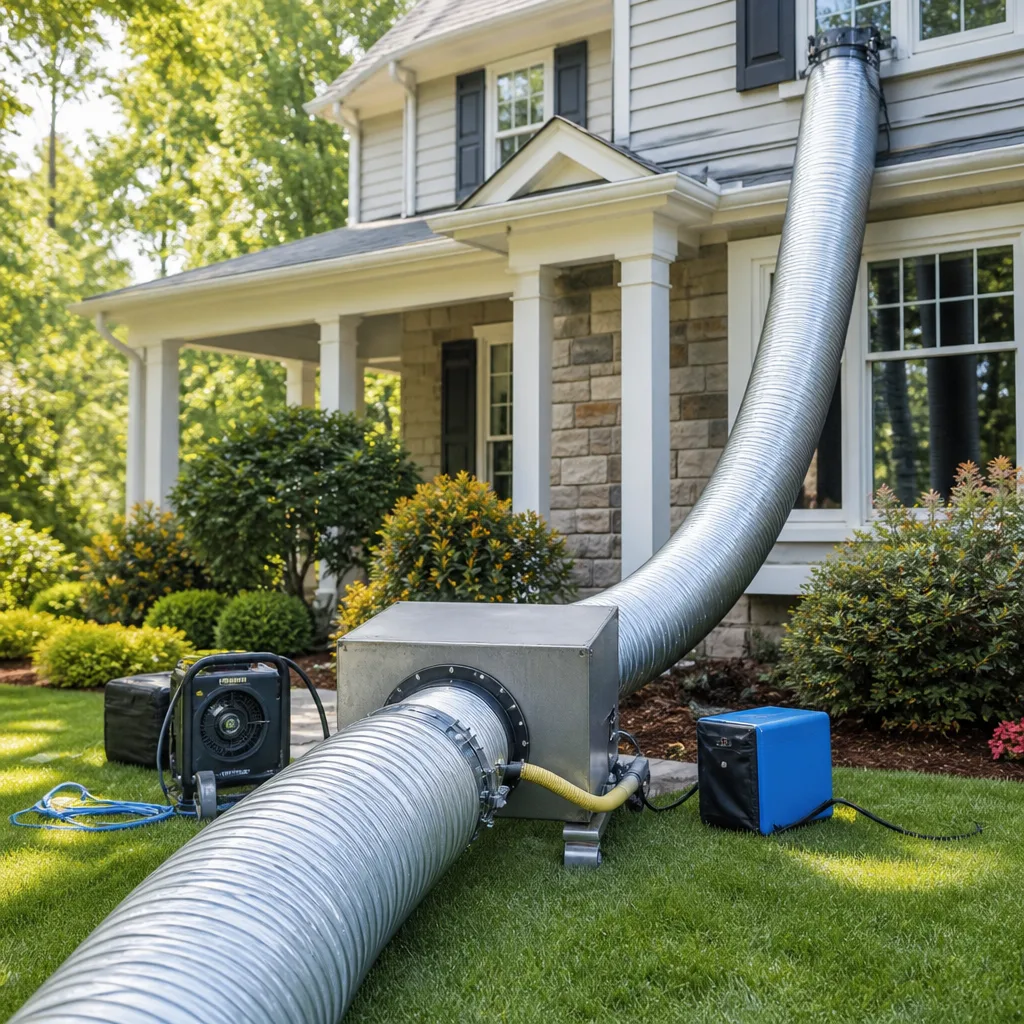 Whole-home duct cleaning
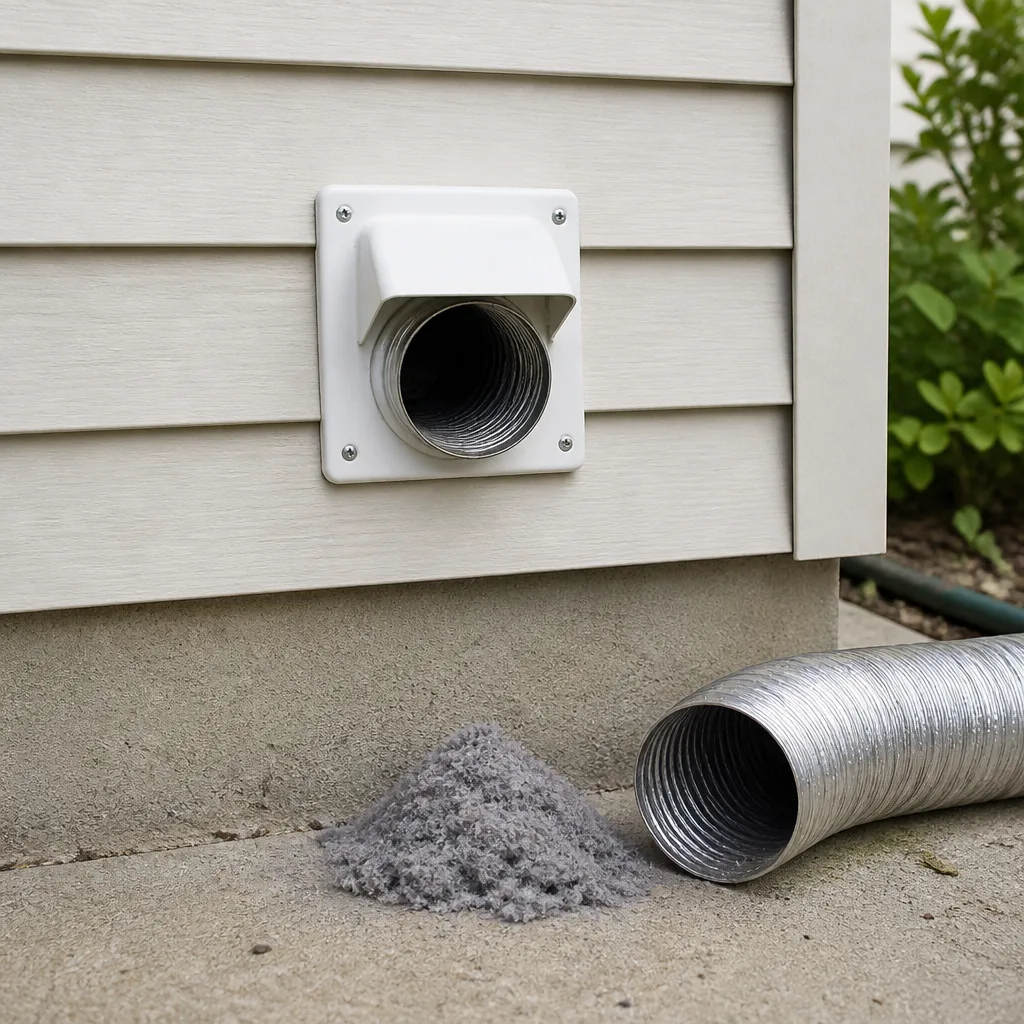 Dryer vent cleaning
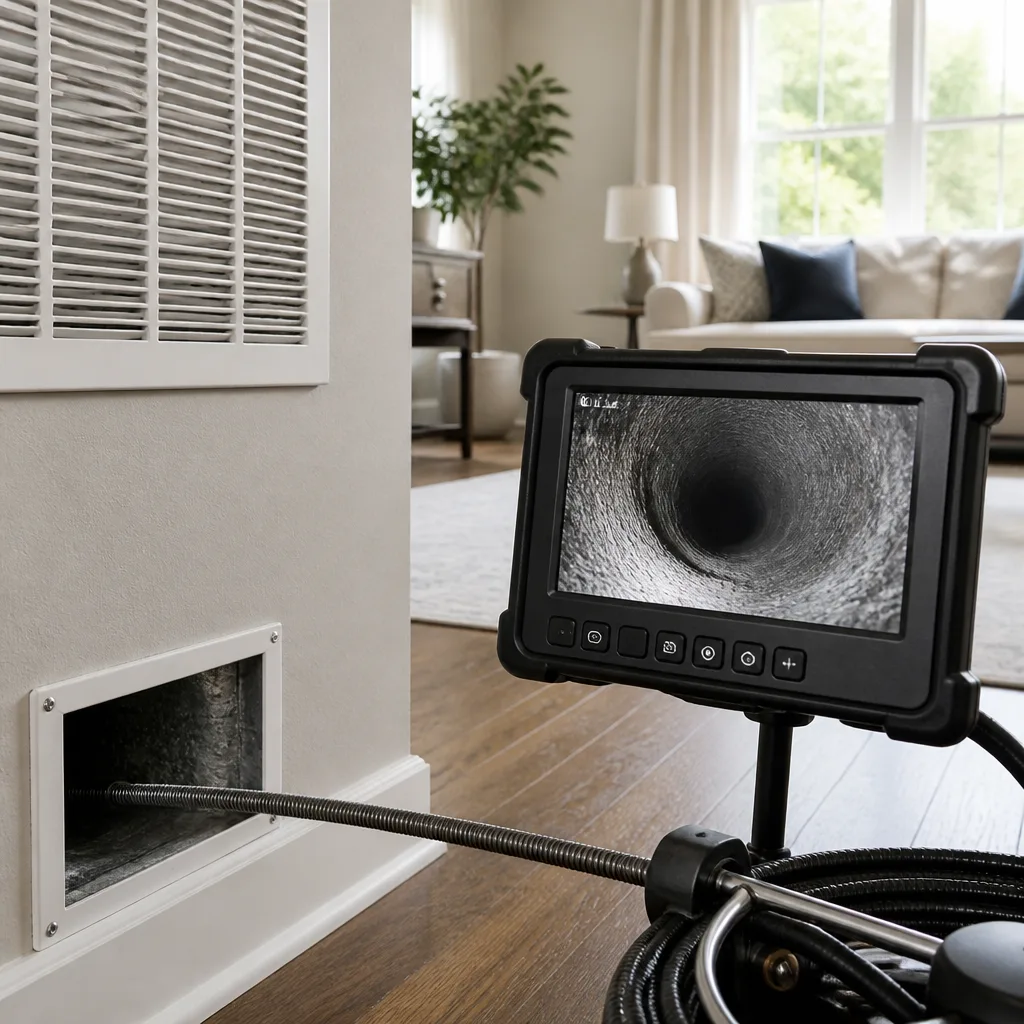 Camera inspection
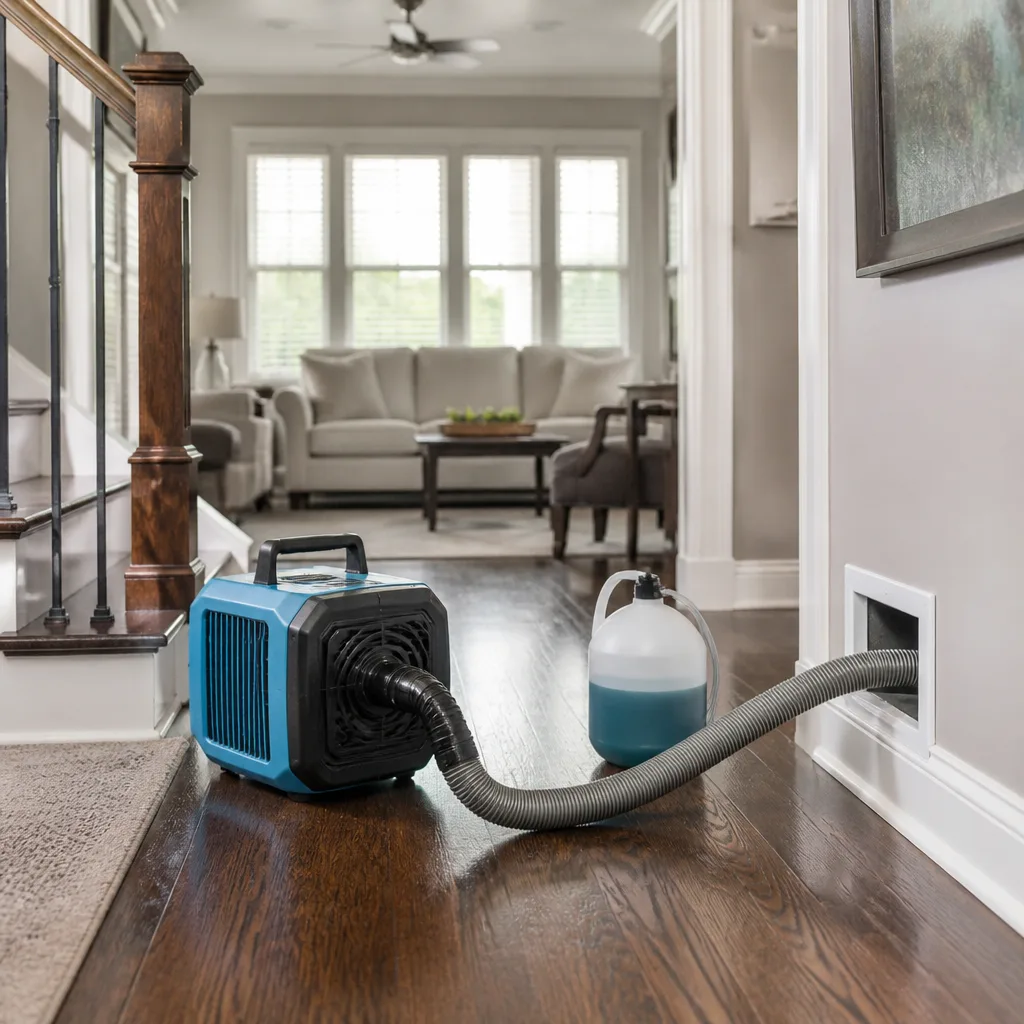 Sanitizing & deodorizing
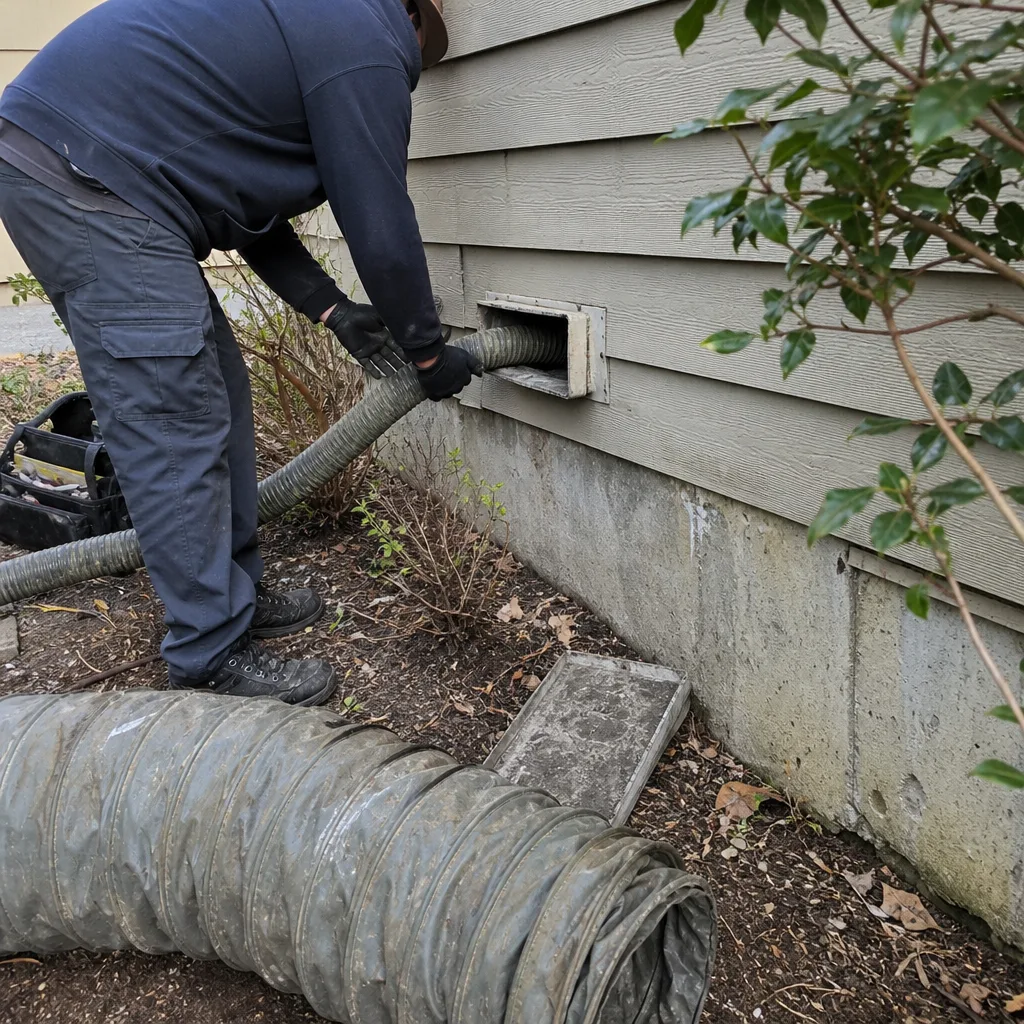
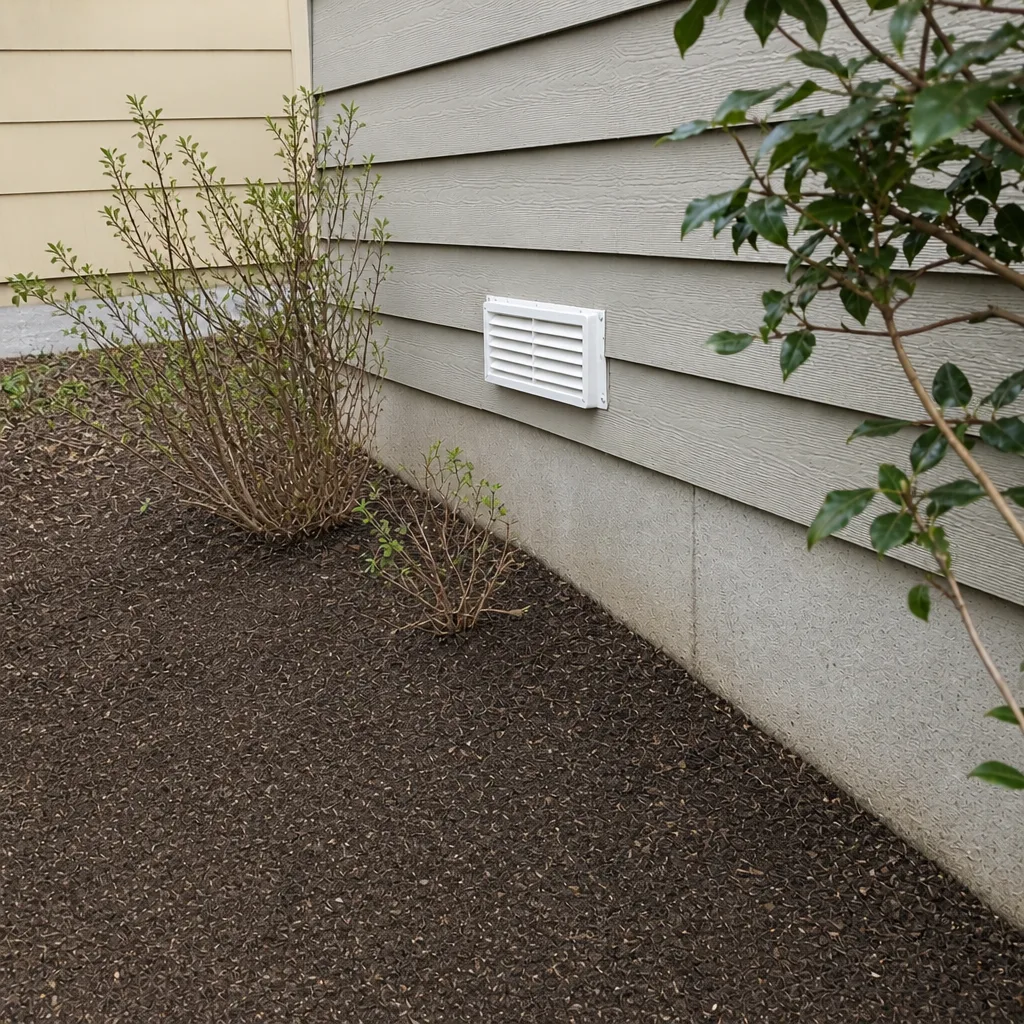
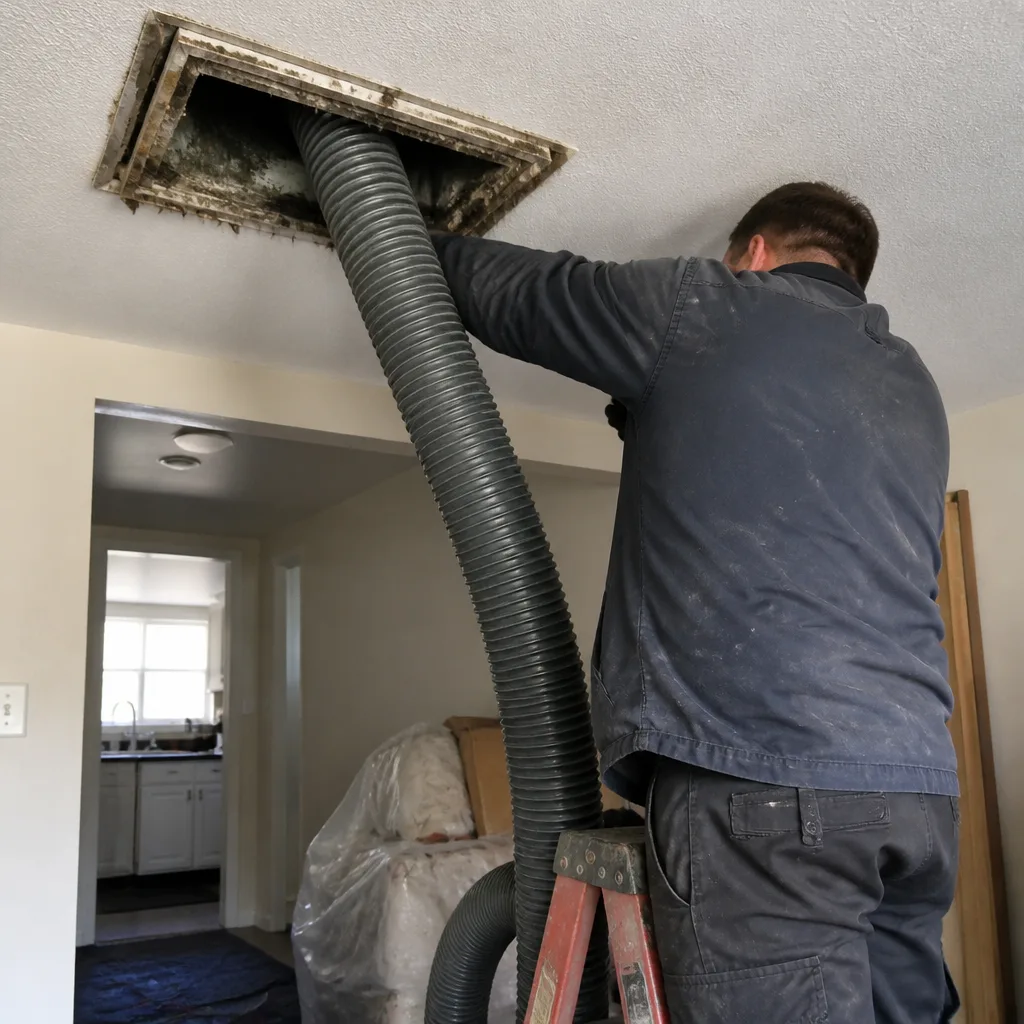
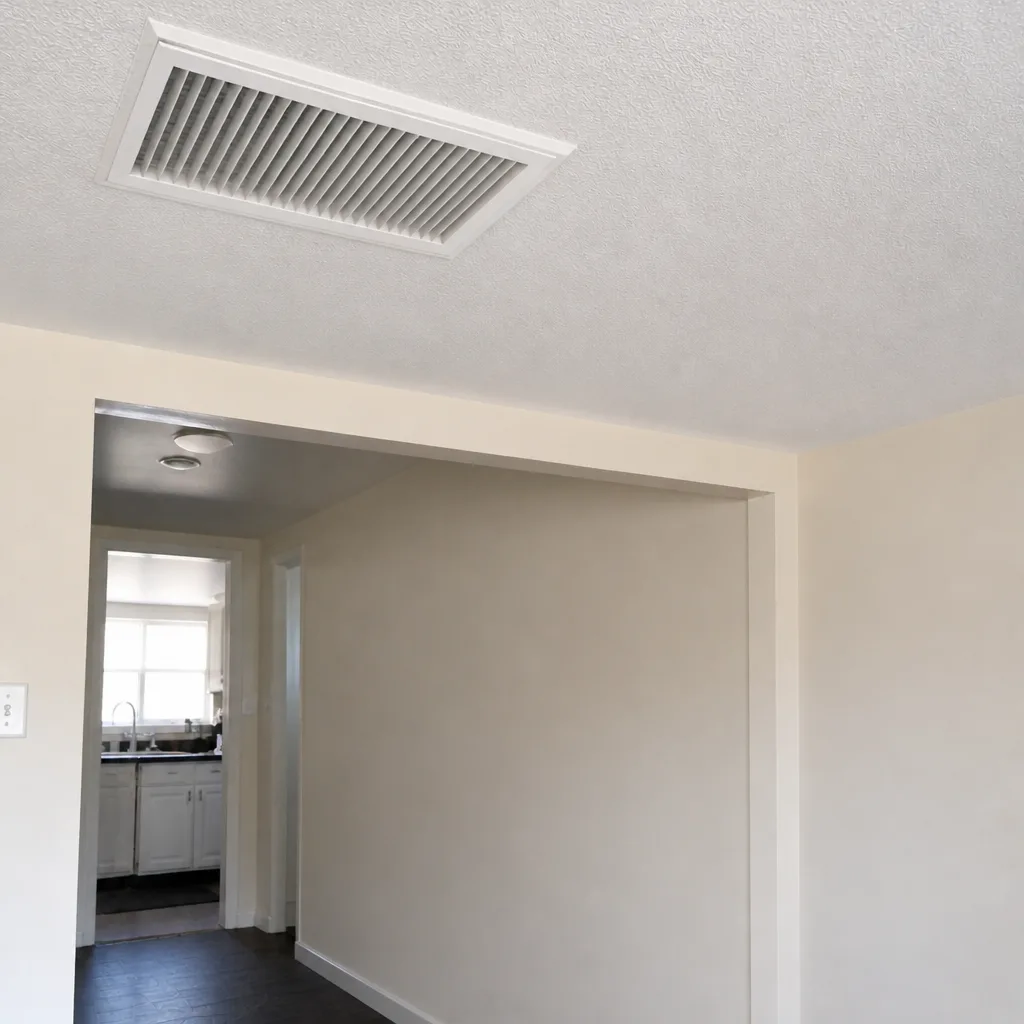
Whole-system duct and dryer vent check with before-and-after photos - you see exactly what came out of your vents
That "$99 whole-house special" is a bait ad - the real number appears once they are in your hallway, or the "clean" is a shop-vac at the register. We photograph the inside of your ducts before and after instead.
Air Duct Cleaning Emergency Preparedness Guide for Northgate Homes
When wildfire smoke reaches AQI 200+ in Northgate – which happened three times in the last five years – your duct system becomes either your first line of defense or a contamination reservoir, depending entirely on its condition going into the event. Most homeowners prepare by buying a box of N95 masks and a portable air purifier. Very few think about the network of tubes running above their ceiling. That network is where the smoke goes, where the mold grows after a water intrusion, and where the difference between a fast recovery and a months-long remediation gets decided. This guide walks through preparation before the event, system decisions during it, and the recovery sequence after, so your ducts help you instead of working against you.
Quick Answer
Emergency duct preparedness in Northgate means three things: getting your system into clean, sealed condition before smoke or water hits; knowing which setting to run (or not run) during a smoke event; and acting within 48 to 72 hours after water intrusion to assess the ductwork before mold takes hold in flex duct. Document everything with photos and a professional inspection report. When you need help, call Air Duct Cleaning Northgate at (877) 492-3448 to schedule a free estimate. We answer 24/7. Fast dispatch from 7am to 7pm, Sunday through Friday.
Styles & brands we work with
- Whole-home duct cleaning
- Dryer vent cleaning
- Camera inspection
- Sanitizing & deodorizing
Table of Contents
- Pre-Event Preparation: What Makes Ducts Ready for Smoke Season
- During a Wildfire Smoke Event: System Settings and Contamination Load
- Post-Flood and Water Intrusion Protocol: The 48-72 Hour Window
- How to Document Duct Damage for Insurance Claims
- Recovery Service Sequence: Who to Call First and Why
- What a Professional Duct Inspection Actually Checks
- Ongoing Maintenance That Keeps You Prepared
- Building a Duct Emergency Kit for Northgate Homes
Pre-Event Preparation: What Makes Ducts Ready for Smoke Season
The condition of your duct system on the morning smoke arrives determines how much of it ends up inside your living room. Two houses on the same block can behave completely differently. One filters out most particulate and keeps indoor air tolerable. The other recirculates contamination from a system that was already loaded with dust and never had its leaks sealed. Preparation is not heroic work. It is a few specific upgrades and one professional assessment.
Start with the air filter. Not the cheapest filter on the shelf, and not the highest-MERV filter your furnace wasn’t designed for either. The right filter for smoke season sits high in the MERV range your blower can handle without choking airflow, and it needs to be fresh, not six months old and half-loaded. If you work with a Honeywell or Aprilaire filtration setup, those systems are built to handle higher-efficiency media, so check what your cabinet actually accepts. A filter that is too restrictive strains the blower, and a blower that overheats mid-event is a different kind of emergency.
Next, look at the return air side of the system. Return air leaks in a garage, attic, or crawl space pull air from those spaces into the house. During a smoke event, that means pulling smoke in through every gap in the return trunk. Sealing those joints before the season matters more than people expect. Our air duct cleaning visits include a look at return-side integrity, and our duct repair and sealing service closes the gaps that a cleaning alone can’t fix.
Then there’s baseline cleanliness. Ducts that already carry years of accumulated dust hold onto smoke particulate in a way clean ducts don’t. A professional cleaning before the season resets the system to a known baseline, so you’re not starting every smoke event from a deficit. That’s the whole point of pre-event prep: reduce the load going in, so the recovery afterward is shorter.
During a Wildfire Smoke Event: System Settings and Contamination Load
When the sky turns brown and the air quality index climbs, the decision homeowners most often get wrong is which setting to run. It is not a single right answer. It depends on the system, the age of the house, and how much filtration capacity you have. Here’s how the three common options affect your ductwork.
- System off: No new smoke gets pulled through the furnace, but if the house is leaky, smoke finds its way in through doors, windows, and the return gaps you never sealed. Contamination load in the ducts stays static, but indoor quality drops. Fine for a short event in a tight house, not a plan.
- Fan only (recirculate): Runs air through the filter without heating or cooling. This is often the best option during smoke, because it uses your filter to scrub the indoor air continuously without pulling fresh air in. Requires a clean, correctly sized filter and no significant return leaks.
- Fresh air intake open: On systems with an outside air intake or economizer, this pulls smoke directly into the duct system. Close it. On a Honeywell or Aprilaire control, this is usually a simple damper or setting, and it should be shut for the entire event and until outdoor air clears.
The contamination load that ends up in your ducts during a smoke event is a function of how much outdoor air the system pulls and how dirty the ducts were to begin with. A system that was clean and sealed going in comes out needing less recovery work. A system that was dirty and leaking comes out needing more. That’s why pre-season prep and in-event decisions are connected, not separate topics.
One more point for Northgate homeowners: a smoke event is exactly the wrong time to run a whole-house fan. It exhausts indoor air and pulls replacement air from outside, which means it is a smoke pump. Leave it off until the event clears.
Post-Flood and Water Intrusion Protocol: The 48-72 Hour Window
Water intrusion into a duct system is a different emergency from smoke. Smoke leaves particulate. Water leaves moisture, and moisture in flex duct starts a mold clock that runs fast. In our experience, mold colonization in the porous inner liner of flex duct can begin within 48 to 72 hours of sustained moisture exposure. That window is the entire game. Miss it and the question shifts from “how do we dry this” to “how much of the system has to be replaced.”
Here’s the sequence we recommend when water reaches the ducts:
- Stop the source and document immediately. Photos of standing water, water lines on the duct exterior, and the affected area before anything is moved. This is your insurance evidence.
- Turn off the air handler. Running a wet system spreads moisture and spores through every branch. Keep it off until a professional has assessed the system.
- Call water mitigation first. Structural drying is the mitigation contractor’s job. The goal is to knock down ambient moisture so the ducts can actually dry rather than sit in a humid envelope.
- Schedule a professional duct assessment within the first 24-48 hours. A duct that got wet needs to be checked for moisture in the liner, not just a visual from the register. Flex duct is the most vulnerable because the inner liner is porous and holds water.
- Decide: dry, clean, or replace. A short exposure with fast drying can often be cleaned and sanitized. A flex run that has been wet for days is generally a replacement, not a cleaning.
Abatement Technologies equipment in a remediation-grade scenario matters here. A standard duct cleaner works on dust. A contaminated, mold-affected system needs containment, negative pressure, and HEPA filtration to avoid spreading spores into the home during the work. That’s the difference between a basic cleaning and a remediation-grade response, and it’s why we keep that capability in-house. If you want a broader picture of how we approach full-system cleaning, our Air Duct Cleaning Northgate page walks through the dual-method process.
How to Document Duct Damage for Insurance Claims
Adjusters want evidence. Not impressions, not “it smelled musty after the water came in.” They want photos with dates, a report from a qualified inspector, and a clear connection between the event and the damage. Homeowners who document well get their ductwork covered. Homeowners who don’t end up arguing over a replacement they can’t prove was caused by the event.
Here is what a solid claim file contains:
- Before photos. Every register, every accessible duct run, the air handler, and any visible water line on duct insulation or flex. Take them before anything is cleaned or moved.
- A professional inspection report. A written assessment that identifies moisture readings, visible contamination, and the specific runs affected. This is the document adjusters respond to, because it’s technical, dated, and independent of your own description.
- A repair or replacement scope. Not a ballpark. A line-by-line itemization of what needs to happen, which parts and runs are involved, and why. Duct repair and sealing work should be included as a separate line if it’s needed after remediation.
- Timeline evidence. The date of the event, the date of first visible intrusion, and the date of inspection. The 48-72 hour window is easier to argue when the timeline is documented cleanly.
- Photos after remediation. The same registers and runs, photographed again, to show the work was completed as scoped.
We provide written inspection reports and before-and-after photos as part of our assessment visits, precisely because they support both the claim and the homeowner’s confidence that the work was actually done. When the scope is settled, the local pro is licensed and insured as their state requires, and the written estimate sets the final price.
Recovery Service Sequence: Who to Call First and Why
The most common costly mistake in a water intrusion recovery is calling the duct cleaner first. The second most common is calling them too late, after the mitigation contractor has already reinstalled wet insulation and closed up the cavity. Sequence matters, and it exists because of cross-contamination risk.
Here’s the order we recommend:
- Stop the water. Plumbing or roof, whoever handles the source.
- Water mitigation contractor. Structural drying, dehumidification, moisture mapping. This is not a duct job, and treating it like one wastes the critical window.
- Professional duct assessment. Once the home is drying, the ducts get inspected for moisture in the liner, contamination, and structural integrity. This is where we come in.
- Remediation-grade cleaning or replacement. Depending on findings: clean and sanitize, replace affected runs, or both. Negative-air extraction prevents cross-contamination during the work.
- Duct repair and sealing. Once the system is clean and dry, seal the leaks. This is the step most contractors skip, and it’s the reason recontamination happens. Our HVAC cleaning visits address the air handler and coil side at the same time, so you’re not leaving contamination in the component the ducts connect to.
- Verification. A final pass with photos so you and your insurer can see the system in its corrected state.
If you reverse steps two and three, cleaning a duct while the structure is still wet means moisture wicks back into the liner within days. If you skip step five, you’ve cleaned a system that still leaks, and it will recontaminate. Northgate homes with older flex duct and disconnected joints are the ones where sequence mistakes show up fastest.
What a Professional Duct Inspection Actually Checks
An inspection is not a walkthrough with a flashlight. A real assessment looks at the system the way a mechanic looks at a used car: condition, integrity, and what’s likely to fail next. Here’s what a proper inspection covers.
- Visual interior access. Camera inspection of trunk lines and branch runs where accessible, looking for debris load, moisture, pest evidence, and disconnected sections.
- Return-side integrity. Every accessible return joint, because return leaks pull unfiltered air from crawl spaces, attics, and garages into the breathing envelope.
- Moisture readings in flex duct. The inner liner is checked for dampness, especially after any water event. A visual pass at the register won’t catch it; the moisture sits in the run.
- Air handler and coil condition. A clean duct connected to a dirty coil is a dirty system. This is where our dryer vent cleaning clients often learn their HVAC cabinet needs attention too.
- Filtration and control setup. What filter cabinet you have, whether a Honeywell or Aprilaire control is configured correctly for the system, and whether the media is the right efficiency for your blower.
We use Rotobrush mechanical agitation to loosen debris from duct walls and Nikro negative-air extraction to pull it out under containment, so the inspection findings and the work are matched to the same equipment. Guardsman containment products round out the setup on sensitive jobs. The result is a report you can act on and evidence you can hand an adjuster.
Ongoing Maintenance That Keeps You Prepared
Emergency preparedness is mostly maintenance done ahead of time. There’s no dramatic intervention required. A handful of habits, kept up, mean that when the next smoke event or water intrusion hits, your system is in a position to help rather than hurt.
Change filters on schedule and keep one spare of the correct size on hand. During smoke season, check the filter monthly, not quarterly, because particulate loads faster than you’d expect. Walk the accessible return runs once a year looking for disconnected joints, sagging flex, or tape that has dried out and let go. Those are the leaks that pull smoke and moisture into the system.
Have the system professionally cleaned on a schedule that matches your situation: more often if pets, allergies, recent remodeling, or a previous water event are part of the picture. Our air duct cleaning service in Northgate resets the system to a clean baseline, so each event starts from zero rather than compounding.
Keep an eye on the whole-home air quality side too. If you have a Honeywell or Aprilaire filtration or humidification control, have it checked in the same visit as the cleaning. A control that’s set wrong or a media cabinet that’s been bypassed quietly does nothing during a smoke event. Our air quality and sanitizing service addresses the air itself, not just the ductwork, which is a step beyond surface cleaning and matters most in the hours when outdoor air is unbreathable.
Building a Duct Emergency Kit for Northgate Homes
Most emergency kits include water, batteries, and a radio. Almost none include anything for the duct system. Here’s what we recommend adding so that when an event happens, you’re not scrambling for basic items while the clock ticks.
- Two spare filters of the correct size for your filter cabinet. Label them with the date purchased.
- A roll of foil HVAC tape to temporarily seal a visible return gap until a professional can address it properly. Not duct tape; the adhesive fails with heat.
- A printed list of your service contacts: water mitigation contractor, HVAC company, duct cleaning company, insurance adjuster, and the insurance policy number.
- A phone with camera and cloud backup for documentation. Batch-photograph registers before and after any event.
- N95 masks and a portable air purifier for the indoor air side, sized for the room you’ll shelter in.
- A note card taped inside the air handler closet listing the filter size, the date of last professional service, and the settings to use during smoke (fan only, fresh air intake closed).
The card matters more than it sounds. In the middle of a smoke event with AQI climbing, nobody remembers which switch is which. A line of handwriting from calmer days is the difference between running the system correctly and pumping smoke into the house.
Common Mistakes to Avoid
- Running the system with a fresh-air intake open during a smoke event. This is the single biggest contamination mistake we see. Shut the intake, run fan only, and leave it shut until outdoor air clears.
- Waiting to assess ducts after water intrusion. The 48-72 hour mold window in flex duct is real. A week of delay often turns a cleaning into a replacement.
- Cleaning ducts before structural drying is finished. A clean duct in a wet house reabsorbs moisture within days. Mitigation comes first, cleaning second, always.
- Skipping the sealing step after cleaning. Cleaned but leaking ducts recontaminate within a season. Budget for repair and sealing as part of the recovery, not as an optional add-on.
- Using a cheap high-MERV filter on a blower that can’t handle it. Restricted airflow strains the motor. Match the filter to the cabinet and the blower spec, not to the pitch on the box.
- Skipping documentation during the event. Homeowners who take photos during and after water intrusion settle claims. Homeowners who clean up first and photograph later argue over scope.
- Hiring a blow-and-go duct cleaner for a smoke or mold recovery. A single-method cleaning without negative-air containment spreads contamination through the house. On a contaminated system, equipment matters more than price.
See the difference
 Before
 After
 Before
 After
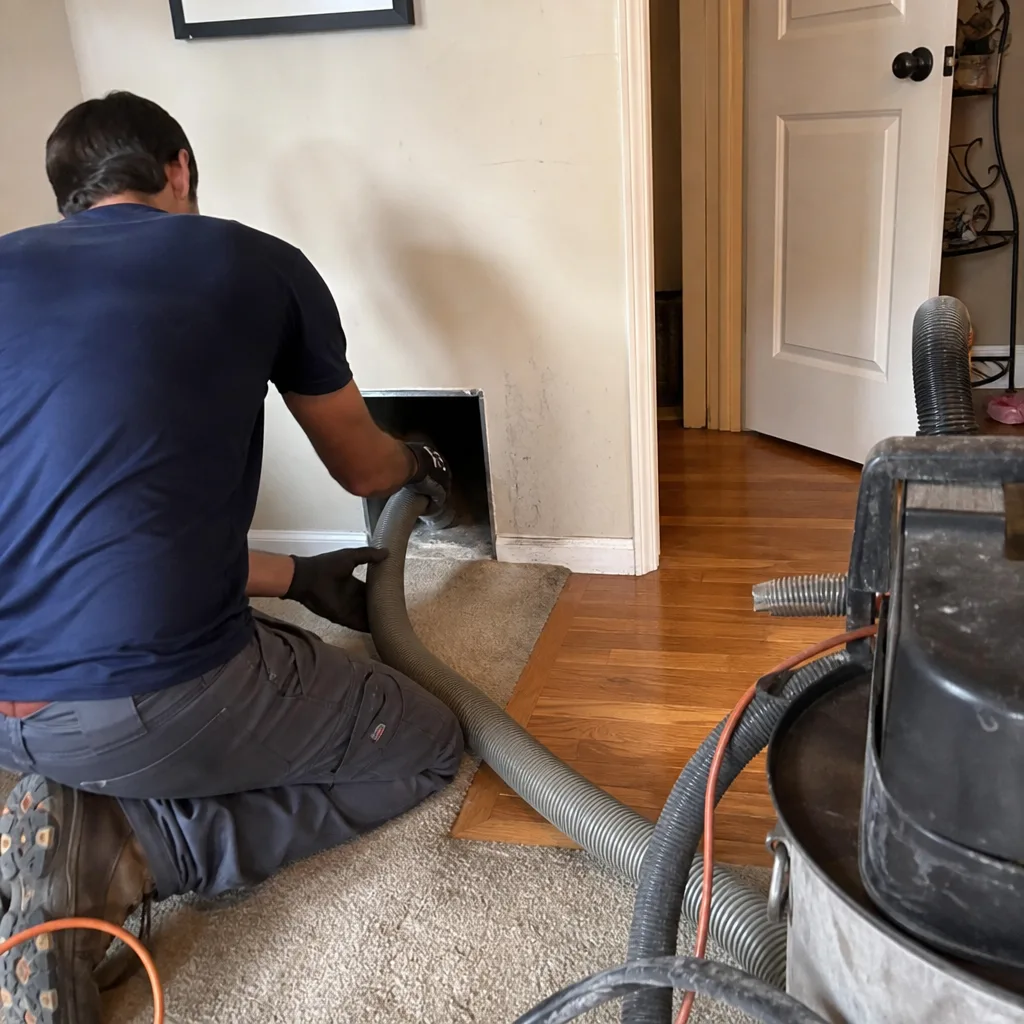 Before
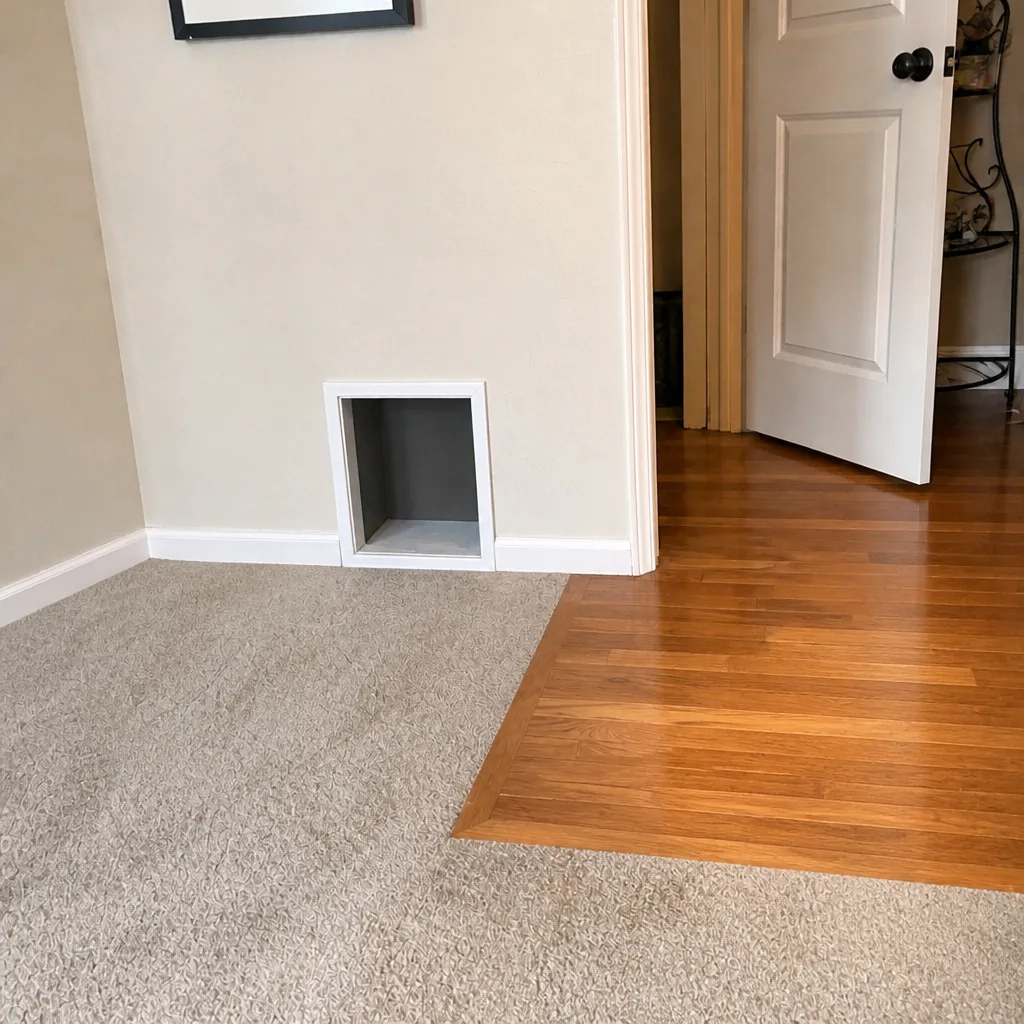 After
When to Call a Professional
Call us when water has reached the duct system, when smoke events have left visible dark deposits or a persistent odor in the ducts, when a family member has asthma or allergy symptoms that get worse indoors, or when you simply can’t remember the last time the system had a professional look. Any of these situations warrants a proper assessment with camera access and moisture readings, not a guess. Air Duct Cleaning Northgate offers free estimates in Northgate. Call (877) 492-3448. We answer 24/7. Fast dispatch from 7am to 7pm, Sunday through Friday. The written estimate sets the final price, and we include before-and-after photos on every job so you can see exactly what was done.
Frequently Asked Questions
A professional whole-system clean typically takes several hours depending on the system size, level of contamination, and number of accessible runs. Recovery-level jobs after a smoke or water event take longer because they include containment, sanitizing, and inspection documentation. Call (877) 492-3448 for an exact quote based on your system.
It depends on how fast the system was assessed and what the moisture readings show. A short exposure with immediate drying can often be cleaned and sanitized. Flex duct that has been wet for more than a few days is usually a replacement, because the porous inner liner holds moisture and supports mold growth. Call (877) 492-3448 to schedule an assessment within the first 48 hours.
Run the fan on recirculate with a clean, correctly sized filter and the outside-air intake closed. That uses your filter to reduce indoor particulate without pulling smoke in. A whole-house fan should be off for the duration. If you’re unsure how your system is set up, call (877) 492-3448 and we can walk you through it over the phone.
Smoke particulate settles on duct walls and inner liners, and it keeps off-gassing odor each time the system runs. Cleaning removes the source of the odor, not just the smell. Our dual-method process uses Rotobrush agitation and Nikro negative-air extraction so the particulate is captured, not just loosened. Call (877) 492-3448 for a free estimate.
Often yes, if the loss is tied to a covered event and documented properly. Adjusters need photos, a written inspection report, and a clear scope of work. We provide all three. Call (877) 492-3448 to schedule an inspection that produces a report you can submit to your insurer.
Structural drying first, duct cleaning and assessment within 48-72 hours after drying has started. Cleaning a duct while the surrounding structure is still wet means moisture wicks back into the system. Call (877) 492-3448 and we’ll help you sequence the recovery around your mitigation contractor’s schedule.
For most homes, a professional cleaning every few years keeps the system at a clean baseline. Add an extra cleaning after any significant smoke event or water intrusion, or if you notice musty odor, uneven airflow, or rising allergy symptoms indoors. Call (877) 492-3448 for a free assessment and we’ll tell you honestly whether the system needs work yet.
Cheap quotes usually cover one pass with one method and no containment, and they don’t include sealing or dampers or the time to actually access the runs. The result is a surface-level clean that recontaminates quickly, especially after a smoke or mold event. We price per job by written estimate, so you know what’s included before the work starts. Call (877) 492-3448 for an honest quote.
Ask for before-and-after photos of the specific registers and runs in your home. Every job we do includes those photos, along with a written estimate that lists the scope before work begins. If a contractor can’t show you what was cleaned, that’s your answer. Call (877) 492-3448 to schedule a visit with documentation included.
The Bottom Line
Duct preparedness in Northgate isn’t about a dramatic intervention. It’s about getting the system clean and sealed before a smoke event, thinking through the settings you’ll use during one, and moving fast on assessment after water intrusion because the mold window in flex duct closes in 48 to 72 hours. Document everything. Sequence the recovery correctly: mitigation first, then duct assessment, then cleaning, then sealing. Skip a step and you’ll pay for it later. If you want your system ready before the next event rather than recovered after it, Air Duct Cleaning Northgate offers the full picture – cleaning, repair, sealing, HVAC cleaning, and air quality and sanitizing – under one roof. Call (877) 492-3448. We answer 24/7. Fast dispatch from 7am to 7pm, Sunday through Friday. Estimates are free, the price is set per job by the written estimate, and every visit includes before-and-after photos.
Written by the team at Air Duct Cleaning Northgate.