
Last updated November 22, 2026
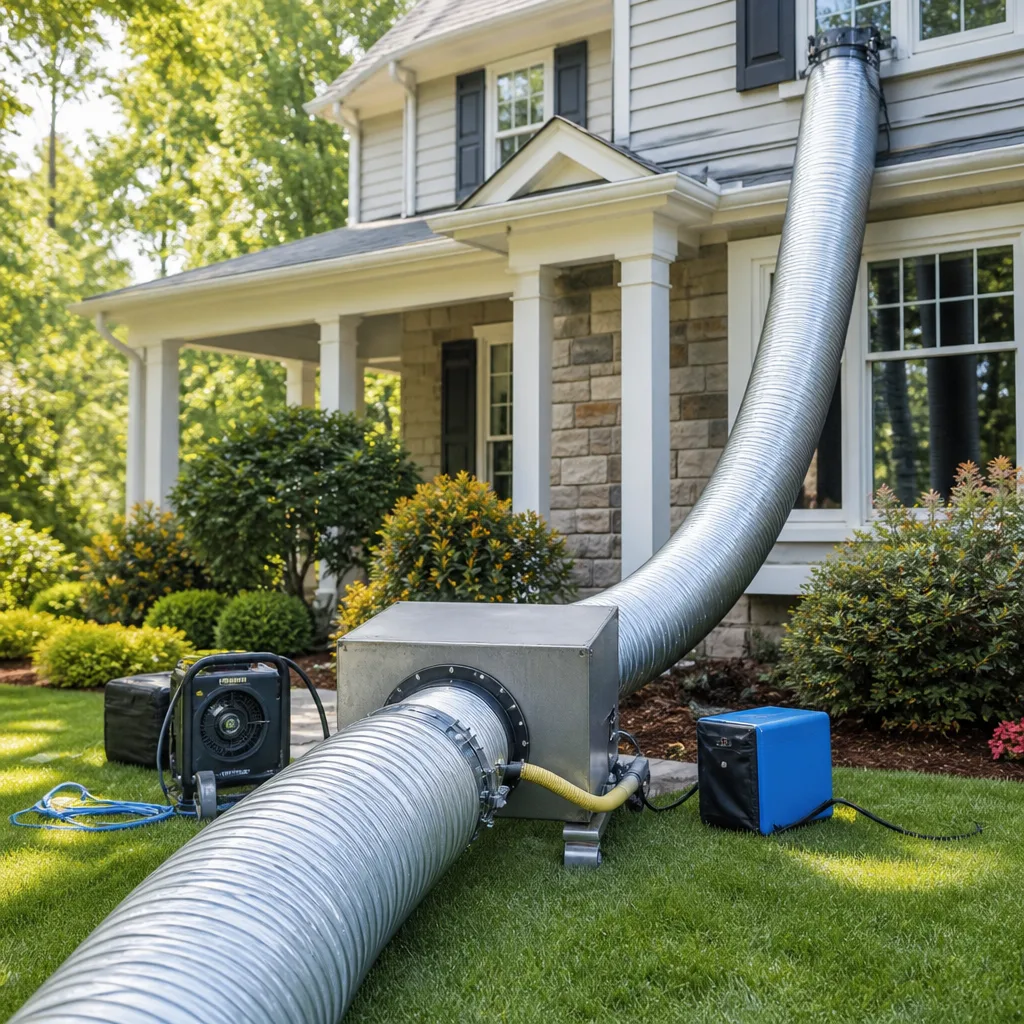 Whole-home duct cleaning
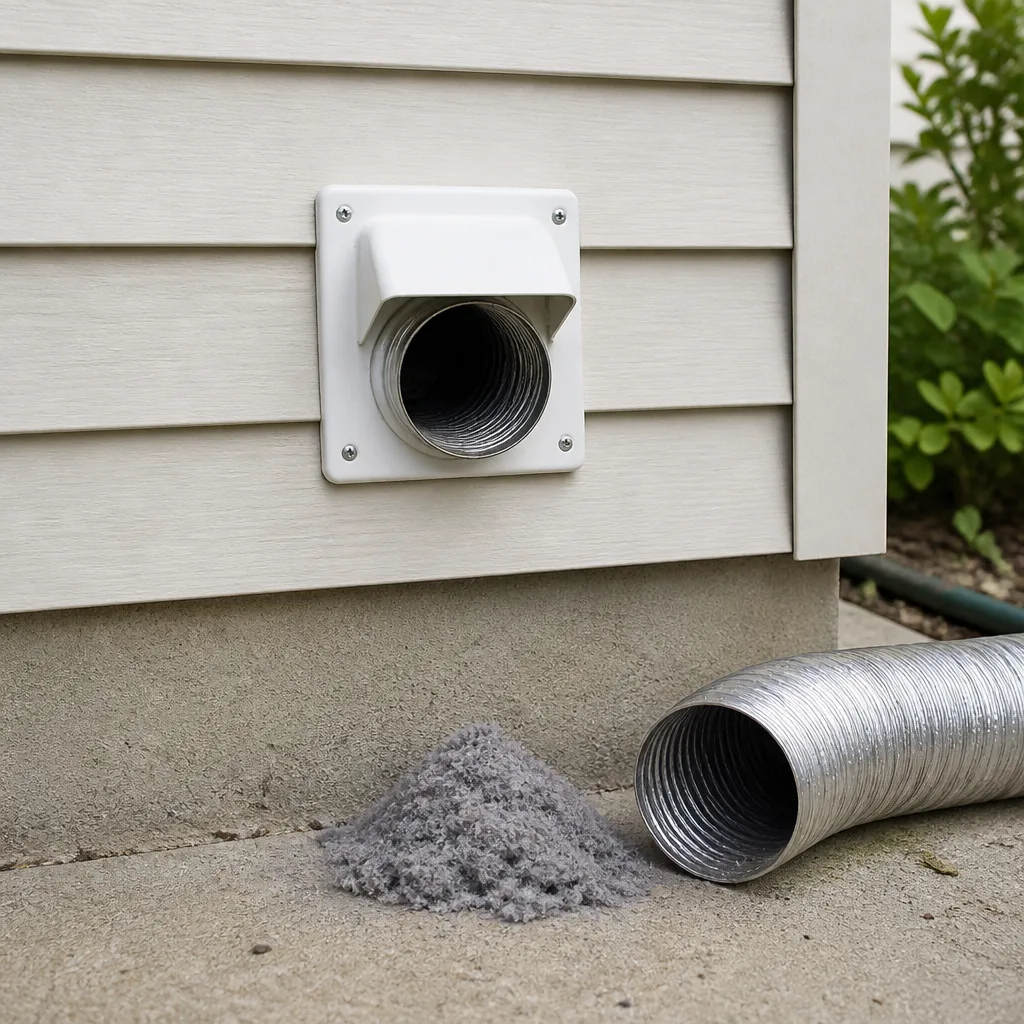 Dryer vent cleaning
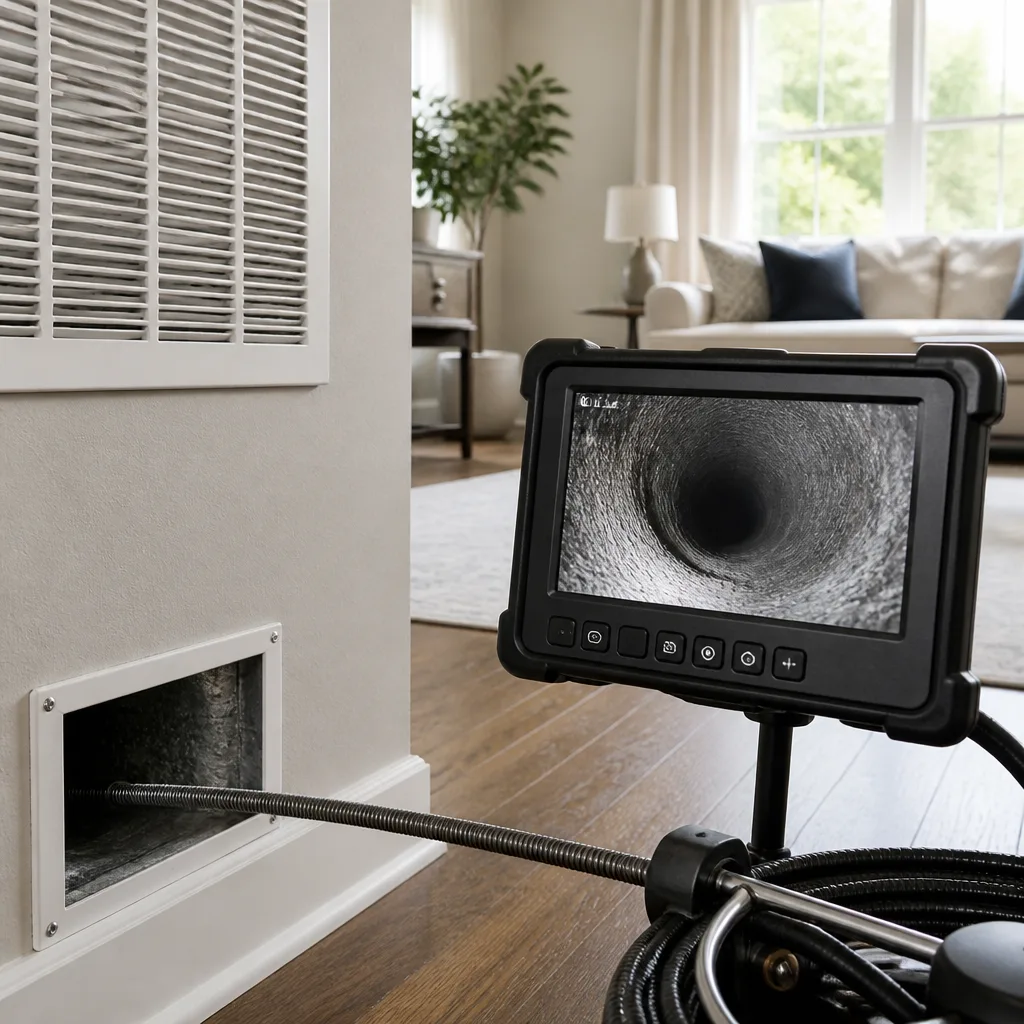 Camera inspection
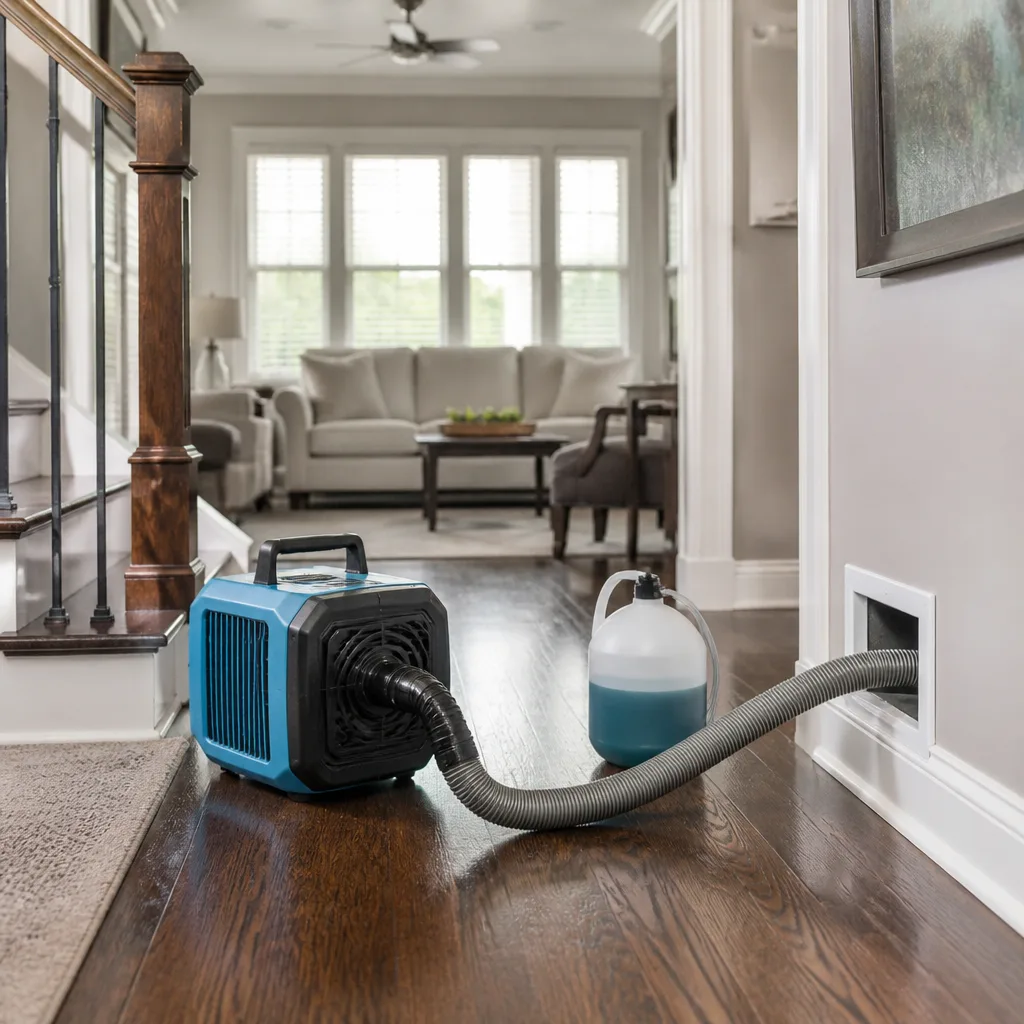 Sanitizing & deodorizing
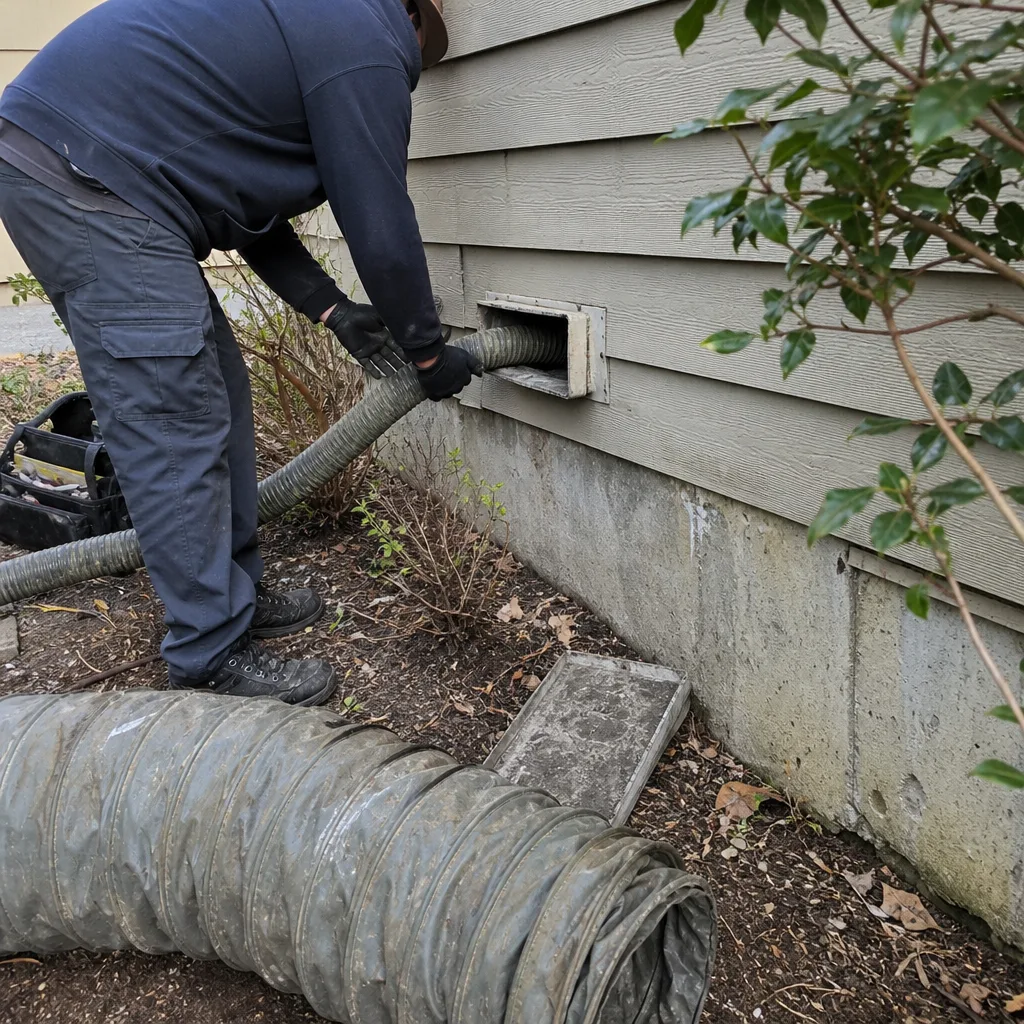
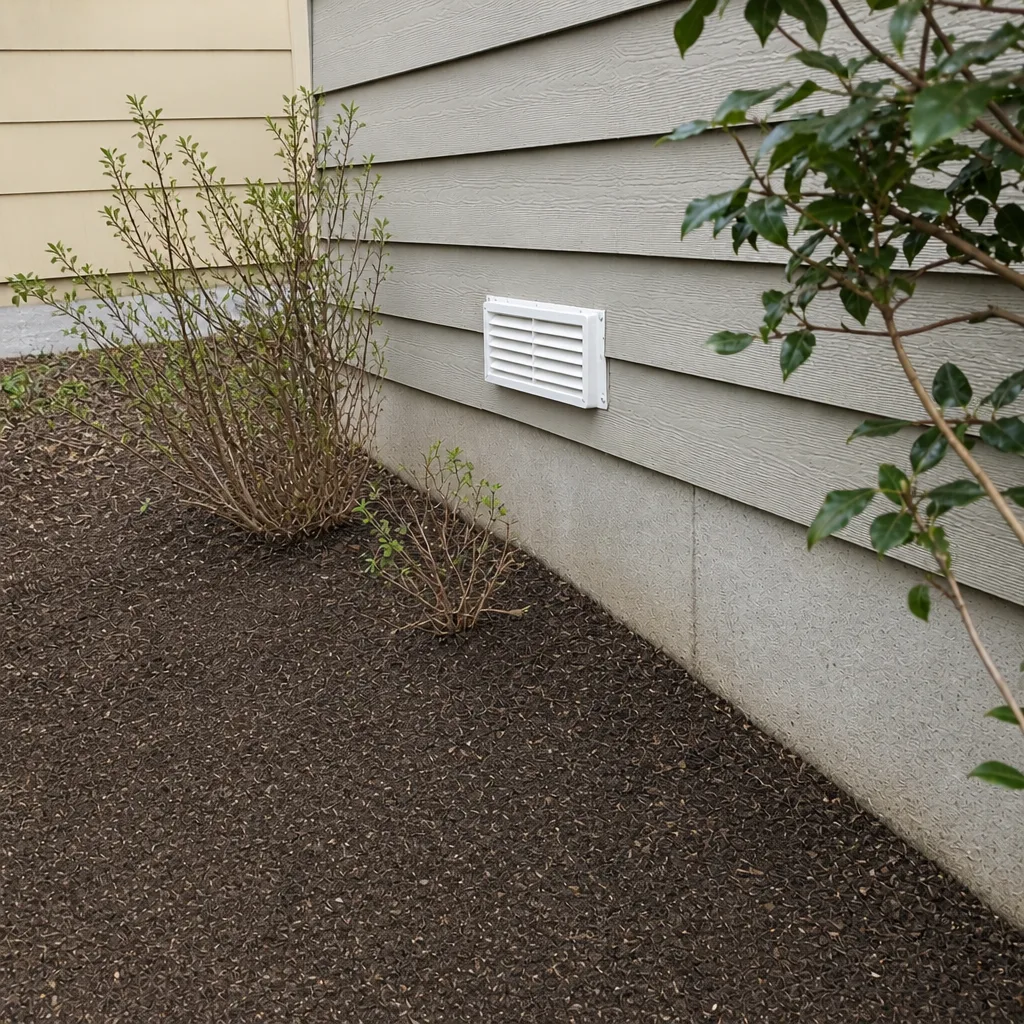
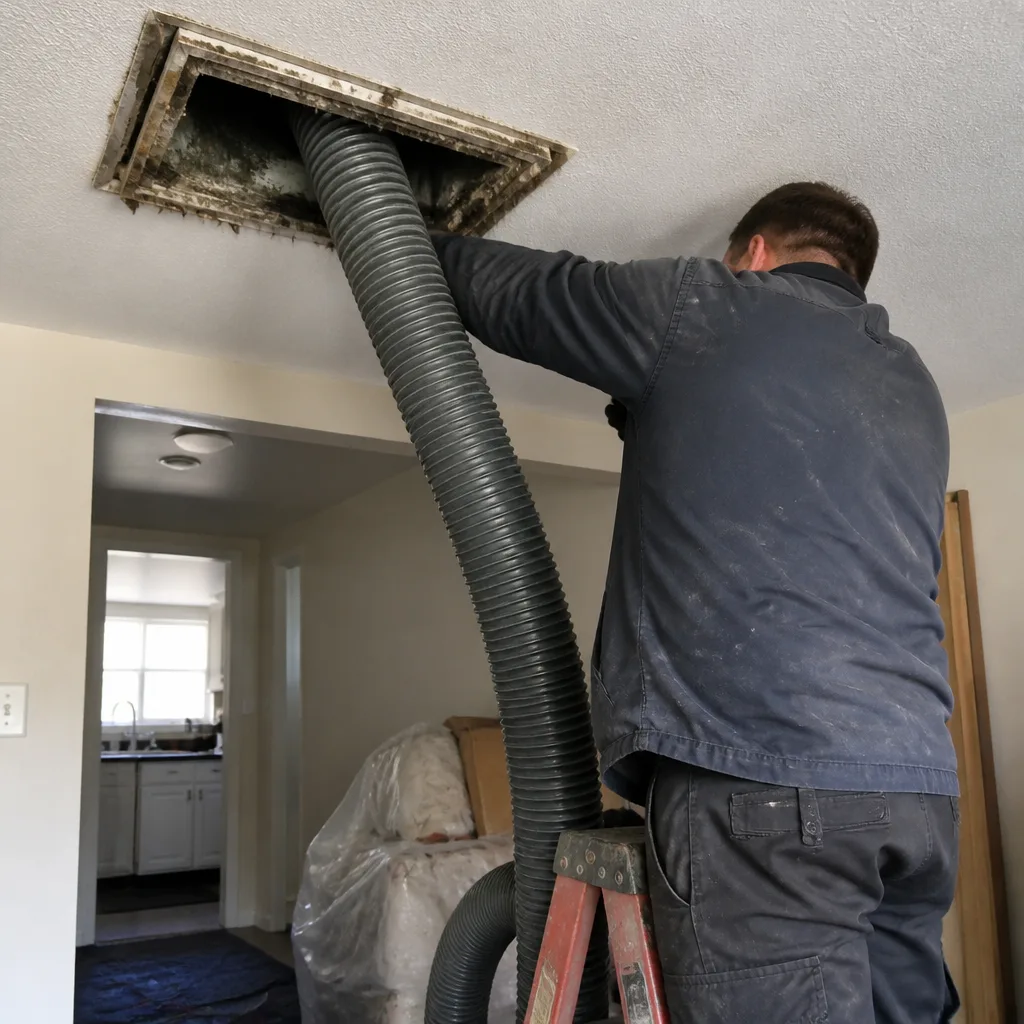
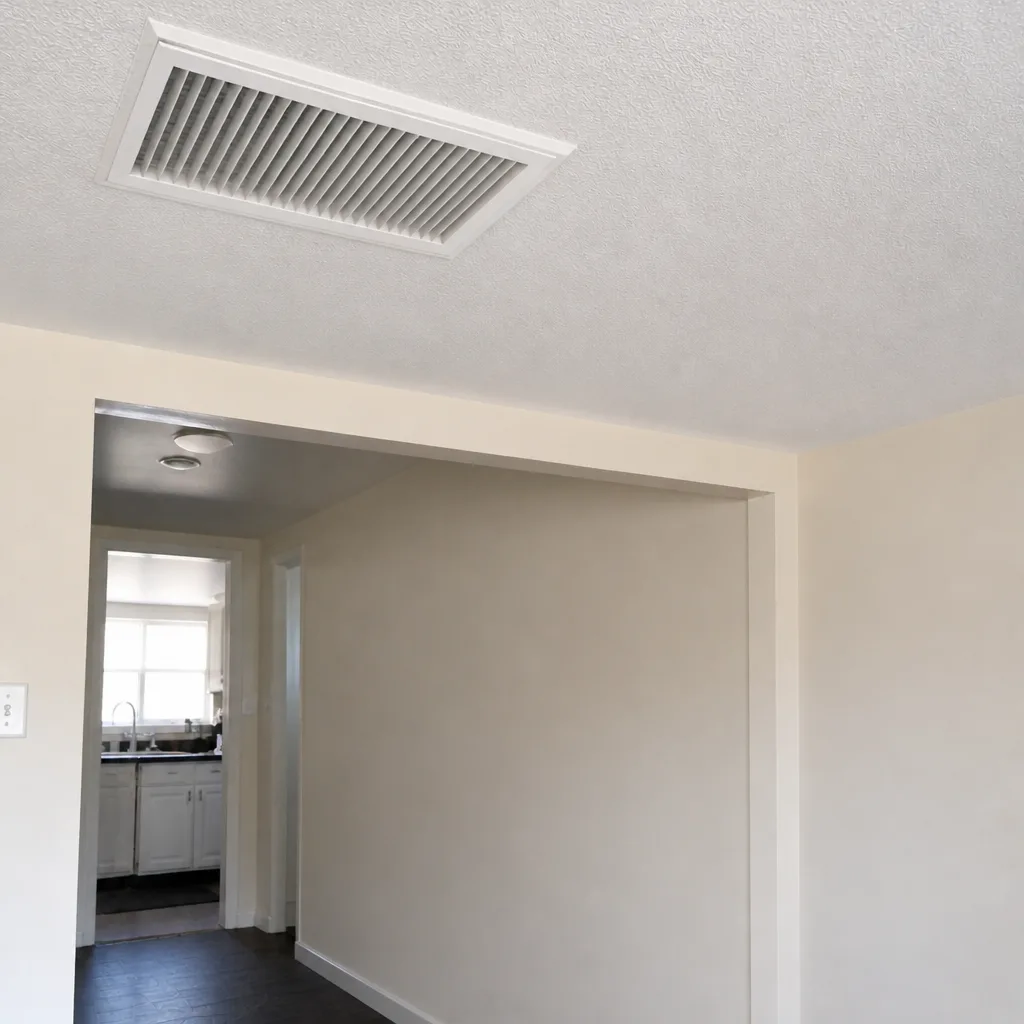
Whole-system duct and dryer vent check with before-and-after photos - you see exactly what came out of your vents
That "$99 whole-house special" is a bait ad - the real number appears once they are in your hallway, or the "clean" is a shop-vac at the register. We photograph the inside of your ducts before and after instead.
Air Duct Cleaning Maintenance Checklist for Northgate Homeowners
Most homeowners think duct maintenance means cleaning the ducts. It doesn’t. The work that keeps a system clean happens upstream: at the filter slot, at the register seams, at the drain pan sitting quietly under the air handler. Get those three things right and a freshly cleaned system stays clean for years. Ignore them and the same ducts reload with dust, pollen, and fine particulate long before anyone thinks to book another service. This checklist is our maintenance framework for Northgate homeowners, built around prevention rather than reaction. You’ll learn what to inspect, how often, and where the early-warning signs actually show up.
Styles & brands we work with
- Whole-home duct cleaning
- Dryer vent cleaning
- Camera inspection
- Sanitizing & deodorizing
Quick Answer
A duct maintenance checklist for a Northgate home comes down to four recurring tasks: match your filter spec and replacement interval to the local pollen and construction-dust calendar, inspect and seal visible gaps at registers and return grilles, keep the HVAC drain pan and evaporator coil clean so mold doesn’t grow upstream of your duct runs, and schedule a professional inspection on a variable interval based on pets, renovation activity, and allergies in the household. Everything else is supporting detail. Do these four and you control the variables that reload a cleaned system.
Table of Contents
- 1. Filter Specification and Replacement Timing
- 2. Register Gaps and Bypass Air
- 3. HVAC Drain Pan and Coil Condition
- 4. What Return Grilles Tell You
- 5. Setting Your Professional Inspection Interval
- 6. Northgate’s Seasonal Dust and Pollen Calendar
- 7. Renovation and Construction Dust Protocol
- Common Mistakes to Avoid
- When to Call a Professional
- Frequently Asked Questions
- The Bottom Line
1. Filter Specification and Replacement Timing
Your filter is the single most important maintenance variable in the whole system, and it’s also the one most homeowners get wrong in both directions. Too restrictive and you starve the blower of airflow. Too loose and fine particulate sails straight through into the ductwork and coats the coil. The filter is doing its job quietly until it isn’t, and by the time you notice reduced airflow you’ve already loaded the ducts.
Here’s the interval framework we recommend to Northgate homeowners:
- Basic pleated filters (MERV 8 to MERV 11): change every 60 to 90 days under normal conditions. Shorten to every 45 to 60 days during the pollen-heavy stretch of late winter and spring.
- High-efficiency filters (MERV 13 and above): change every 90 days, but check the filter slot at the 45-day mark. If the filter is visibly grey across the whole face, it’s loading faster than expected and the interval needs to shorten.
- Pets in the home: reduce every interval above by roughly a third. Pet dander and hair shed continuously and clog filter media faster than dust alone.
- Active renovation on-site or next door: check the filter every two weeks. Drywall dust and sawdust will grey a filter in days, not weeks.
- After any professional cleaning: replace the filter immediately. A cleaning dislodges fine debris, and a fresh filter catches what settles out of the airstream afterward.
MERV rating matters as much as timing. Going straight to the highest rating you can find is not the answer; an oversized filter on a system not designed for it reduces airflow, strains the blower, and can cause the evaporator coil to ice up. Match the filter to what your air handler can handle. If you’re unsure, ask during a professional HVAC cleaning visit and have the technician confirm the right spec for your equipment. You can read more about what that visit covers on our HVAC cleaning page.
2. Register Gaps and Bypass Air
This is the section most checklists skip, and it’s the one that matters most in the months after a professional clean. Every supply register sits in a cutout in a floor or wall, and the gap between the metal boot and the drywall edge is usually unfinished. That gap is a bypass. When the system runs, it pulls unfiltered air from inside the wall cavity, the crawlspace, or the attic directly into the airstream at the register. All that unfiltered air enters downstream of the filter, which means your filter never had a chance to catch it.
Bypass air is a leading cause of premature duct recontamination. Walk your home and inspect every register and return grille you can reach:
- Visible gap: a dark line or a shadow between the register frame and the drywall indicates a gap. In extreme cases the register doesn’t fully cover the cutout.
- Cool air leaking at the wall or floor edge: with the system running, hold the back of your hand near the register edge. If you feel air escaping around the frame rather than out of the grille, you have bypass.
- Dust lines streaking out from the register frame: fine dust trails at the edges are a sign of air movement where there shouldn’t be any.
- Loose or rattling grilles: a grille that isn’t snug is usually a grille that isn’t sealing.
Sealing visible gaps is a job for a professional, because the fix depends on the material behind the register, and doing it wrong can leave a larger gap than you started with. We offer duct repair and sealing as one of our five core services specifically because we’ve seen what bypass air does to a freshly cleaned system. If you want to understand what a full professional clean involves, start with our air duct cleaning page.
3. HVAC Drain Pan and Coil Condition
The evaporator coil and the drain pan sit upstream of your duct runs, which means any biological growth there gets carried into the ducts on the airstream. A pan that holds standing water, or a coil that’s coated with a mix of dust and moisture, is a growth environment. Once mold establishes itself on the coil surface, duct cleaning alone won’t fix it. The source has to be addressed.
What to check, and what not to touch:
- Standing water in the drain pan: a pan that doesn’t drain fully is a warning sign. Check that the condensate drain line isn’t clogged or kinked.
- Visual discoloration or dark staining on the coil fins: this is not a do-it-yourself diagnosis. Tell a professional what you’re seeing.
- Musty odor near the air handler: that smell is the earliest sign of a moisture or growth problem upstream. It predates any change in duct appearance.
- Overflow or water staining under the air handler: a sign that drainage has failed at some point, which means standing water was present.
We don’t recommend that homeowners open panels and clean coils themselves. Electrical components, sharp coil fins, and pressurised refrigerant lines all make that work unsafe without training. What you can do is inspect the pan and the coil surface from any accessible position and call if something looks wrong. If a scenario calls for contamination-level treatment, our Abatement Technologies equipment capability means we can address it rather than turn it away. Understanding what we mean by negative-air extraction will help you see the difference professional cleaning makes: the equipment draws contaminated air away from the work rather than pushing it around the room.
4. What Return Grilles Tell You
The return air grilles are the intake. They’re where air enters the duct system on its way back to the air handler, and because they move the highest volume of air in the house, they’re your earliest warning indicator of dust loading. Check them every month. It takes two minutes.
What different load conditions look like:
- Even light dust film: normal. Wipe it with a damp cloth and move on.
- Visible dust accumulation within a month of cleaning: the filter is undersized, wrongly rated, or overdue for replacement.
- Hair and pet dander in the grille face: pets are loading the intake faster than your filter interval accounts for.
- Grey film and a musty smell at the grille: early sign of moisture and potential growth upstream in the coil or drain pan.
- Visible heavy dust build-up inside the return boot (behind the grille): cleaning is due, and more importantly, the source of the loading needs to be identified.
If you remove a return grille and see a thick dust coating on the inside of the duct boot, don’t reach in and clean it yourself, and don’t assume you can vacuum it out. Unsealed duct interiors can hide sharp sheet metal edges, and dry vacuuming dislodges fine particulate into the airstream. That’s what professional extraction equipment is for. Our Air Duct Cleaning Northgate service covers the full return-side inspection as part of the standard visit.
5. Setting Your Professional Inspection Interval
There’s no single number that fits every Northgate home. The interval depends on household variables, and the honest answer is that a two-pet home in active renovation is not the same maintenance job as a single-occupant home with a tightly sealed envelope. Here’s the framework we use to advise homeowners:
- No pets, no allergies, no renovation: professional inspection every three to five years.
- One or two indoor pets, no allergies: inspect every two to three years.
- Household members with allergies or asthma: inspect every one to two years, and pair the inspection with sanitizing if any growth is found.
- Recent renovation or ongoing construction nearby: inspect one to three months after the work finishes. Construction dust travels.
- Previous cleaning was five or more years ago or unknown: book an inspection now rather than waiting. The system tells you what it needs once it’s examined.
- Newly purchased home: inspect before you rely on the air in it. You don’t know the previous owner’s maintenance record.
These are starting points, not rules. A community like Northgate West, with its mix of older single-family homes and multi-unit buildings, produces a wide range of duct conditions. The point of the inspection interval isn’t to build a habit of paying for a service. It’s to catch loading and contamination before the upstream variables let things get worse. Our technicians have up to 9 years of experience and can tell you during the inspection whether the ducts truly need cleaning or if you can safely wait.
6. Northgate’s Seasonal Dust and Pollen Calendar
Northgate’s climate matters for how you time maintenance. The Pacific Northwest’s late-winter and spring pollen season is short and intense, and summer drought conditions in the region produce fine dust that finds its way indoors. The specific timing that follows is the practical maintenance calendar we recommend for homeowners in the area:
- February to April (pollen onset): replace the filter at the start of the season and again at the end. This is when the filter is working hardest, and it’s also when an undersized filter fails fastest.
- May to September (dry season): outdoor dust increases. Check return grilles at the start of this window, and if you have pets, check them again mid-season.
- October to November (wet season shifts in): indoor humidity rises as the house gets sealed against rain. This is the risk window for drain pan and coil moisture issues. Inspect the pan.
- December to January (holiday season): more foot traffic, more closed-window hours, and a filter loading faster than you think. Swap it.
- Any time construction activity is visible from your property: shorten every interval above by whatever the site activity justifies. On a busy site, that can mean weeks.
This calendar is a general framework. Adjust it to what you actually see in your house. A homeowner in a quieter corner of Northgate may find they need less frequent filter changes than a homeowner near an active construction site or a busy arterial road. The calendar is the starting point, not the final word. If you’re unsure whether the dust load in your home is normal, ask during a dryer vent cleaning visit, which often reveals upstream dust patterns in the same air-handling system.
7. Renovation and Construction Dust Protocol
Renovation dust is the most common cause of premature duct recontamination we see in Northgate homes, and it’s entirely preventable with the right preparation. Drywall dust in particular is fine enough to ride the airstream into places a coarse shop vacuum won’t reach. Once it settles inside a duct run, no amount of replacement filters will pull it out.
The protocol for a renovation:
- Before work starts: close every register and tape it shut with painter’s tape (easy to remove without damaging the finish).
- Tell your contractor: return grilles should be blocked too. Returns pull air, and if they’re open they’ll vacuum construction dust directly into the duct system.
- Set up plastic sheeting at the doorways of the working area where possible. It reduces dust migration to the rest of the house.
- Change the HVAC filter immediately when the work is finished and again after two weeks. The first change catches the immediate load; the second catches the fine sediment that settles out.
- Book a professional duct inspection one to three months after the renovation. This gives the dust that’s already in the system time to settle into a cleanable state and lets the technician see how much loading has occurred.
- If the renovation involved significant demolition or rebuilding, pair the inspection with an HVAC cleaning to address the air handler and coil as well as the ducts. The ducts aren’t the only place dust settles.
One more point on renovation dust: if the project involves painted or sealed materials, that dust can carry VOCs. Once the dust lands in a duct system, it stops being just a visual problem. That’s a scenario where air quality and sanitizing as a standalone service becomes meaningful, because the treatment is directed at the air itself, not the duct surfaces.
Common Mistakes to Avoid
- Buying the highest MERV filter available. A high-MERV filter on a system that wasn’t designed for it chokes airflow and can cause the evaporator coil to ice. Match the filter to the equipment.
- Assuming a fresh clean means you’re done for years. A cleaned system reloads fast if filter, register sealing, and the drain pan aren’t managed. The clean is the reset; the maintenance keeps it.
- Cleaning ducts yourself with a shop vacuum. A wet/dry vac stirs up fine particulate and pulls it back into the room, and it can’t reach the lining of a duct run. Professional extraction equipment exists for a reason.
- Ignoring the return grilles because they look less dirty than the supply side. The return is the intake, and it shows loading first. Check it before you check anything else.
- Skipping the drain pan inspection. Standing water in the pan under the air handler is the upstream cause of most growth problems. If the pan doesn’t drain, duct cleaning alone won’t fix the smell.
- Not blocking registers during a renovation. Construction dust in the duct system is entirely preventable and very expensive to reverse. Tape the grilles before work starts.
- Waiting for a musty smell before calling anyone. The smell is a later-stage signal. If the filter needs changing every month and the return grille is dusty within weeks, the system is telling you more directly.
- Trusting a plug-and-play filter system you didn’t check on first. If your home has a whole-home air cleaner from Honeywell or Aprilaire, confirm it’s installed with the correct media and is actually running. A failed upgrade is worse than no upgrade.
When to Call a Professional
Some tasks on this checklist are yours. Others belong to a trained technician, and it’s the second group that keeps a cleaning from being wasted. Call a professional when you see visible dust build-up inside a return boot, when there’s musty odor near the air handler, when a drain pan holds standing water, when you feel air escaping at register edges, or when a renovation has just finished in a home with ducts you haven’t inspected recently. Call sooner if a household member has escalating allergy or asthma symptoms that seem tied to the home, or if a repair or sealing task extends beyond a simple grille cover.
The systems in this work are not DIY friendly. Electrical components, sharp sheet metal, pressurised refrigerant, and fine particulate that comes back into the room when it’s disturbed all point the same way. A trained technician with the right equipment does the job safely and thoroughly, inspecting and confirming the outcome before they leave.
Air Duct Cleaning Northgate offers free estimates in Northgate. Call (877) 492-3448. We answer 24/7. Fast dispatch from 7am to 7pm, Sunday through Friday.
Frequently Asked Questions
Every three to five years for a home with no pets, no allergies, and no recent renovation; every one to three years for homes with pets, allergies, or recent renovation activity. The interval depends on the household, not a fixed calendar. If the filter is loading faster than it used to, or the return grille is dusty within weeks of cleaning, the system is asking for a check sooner. Call (877) 492-3448 for a free estimate if you’re not sure where your home falls.
Duct cleaning is the reset: a professional clean removes the accumulated debris from the duct system, and we use mechanical agitation with a Rotobrush combined with Nikro negative-air extraction to do it. Duct maintenance is what keeps the system in that clean state between professional visits: filter changes, register sealing, drain pan inspection, and return grille checks. One is a service; the other is a set of habits. Do both or the clean is wasted.
Usually because a filter, bypass-air, or moisture problem upstream is reloading the system faster than the cleaning interval accounts for. Bypass air at registers is the most common culprit we see in Northgate homes, followed by an undersized or overdue filter. If the previous clean was a few years ago and no maintenance was done in between, that’s not abnormal. It’s the reason this checklist exists.
Only if your air handler is designed for it. A high-MERV filter in a system that isn’t set up for one reduces airflow, strains the blower, and can ice the evaporator coil. The right spec is the one your equipment is rated for, and it’s worth confirming with a technician during an inspection rather than guessing. Match the filter to the equipment, not to the highest number on the label.
We don’t recommend it. The right fix depends on the material behind the register, and doing it wrong can leave a bigger gap than you started with. Duct repair and sealing is one of our core services because bypass air is a significant and easy-to-miss source of premature recontamination. Call (877) 492-3448 for a free estimate if you’re seeing visible gaps or air escaping around register frames.
Yes. The Pacific Northwest’s late-winter and spring pollen season is short and intense, which means the filter is working hardest over a compressed window. Changing the filter at the start and again at the end of that season protects the duct system from a load it wasn’t designed to absorb in that short a period. Dry-season dust from summer adds a second loading window. Adjust your intervals to match.
Block every register before work starts, including the returns. Change the filter the day the work finishes and again two weeks later. Then book a professional inspection one to three months after the renovation, once the dust has settled. If the renovation was significant, pair the inspection with HVAC cleaning to address the air handler and coil, not just the ducts. This protocol prevents most post-renovation duct loading. Call (877) 492-3448 for a free estimate on the inspection.
The Bottom Line
Keeping ducts clean in a Northgate home isn’t about cleaning them. It’s about controlling the upstream variables that reload them: the right filter, changed on an interval that matches your household; register gaps sealed so bypass air can’t enter the airstream downstream of the filter; a drain pan that drains and a coil that stays dry; return grilles checked monthly as the early-warning system; and a professional inspection interval that’s calibrated to pets, renovation activity, and allergies in the house. Get those five variables right and a professionally cleaned system stays clean for years. Get them wrong, and a clean system reloads with debris fast. The equipment matters too: professional-grade tools like Rotobrush mechanical agitation with Nikro negative-air extraction do a more complete clean than single-method competitors, and Abatement Technologies equipment capability means we can address contamination scenarios a basic duct cleaner would have to turn away.
If you’re not sure where your home stands, or you’d like an inspection before you commit to a maintenance plan of your own, call Air Duct Cleaning Northgate at (877) 492-3448 for a free estimate. We answer 24/7. Fast dispatch from 7am to 7pm, Sunday through Friday. One visit covers the whole system: air duct cleaning, dryer vent cleaning, HVAC cleaning, duct repair and sealing, and air quality and sanitizing.
Written by the team at Air Duct Cleaning Northgate.
See the difference
 Before
 After
 Before
 After
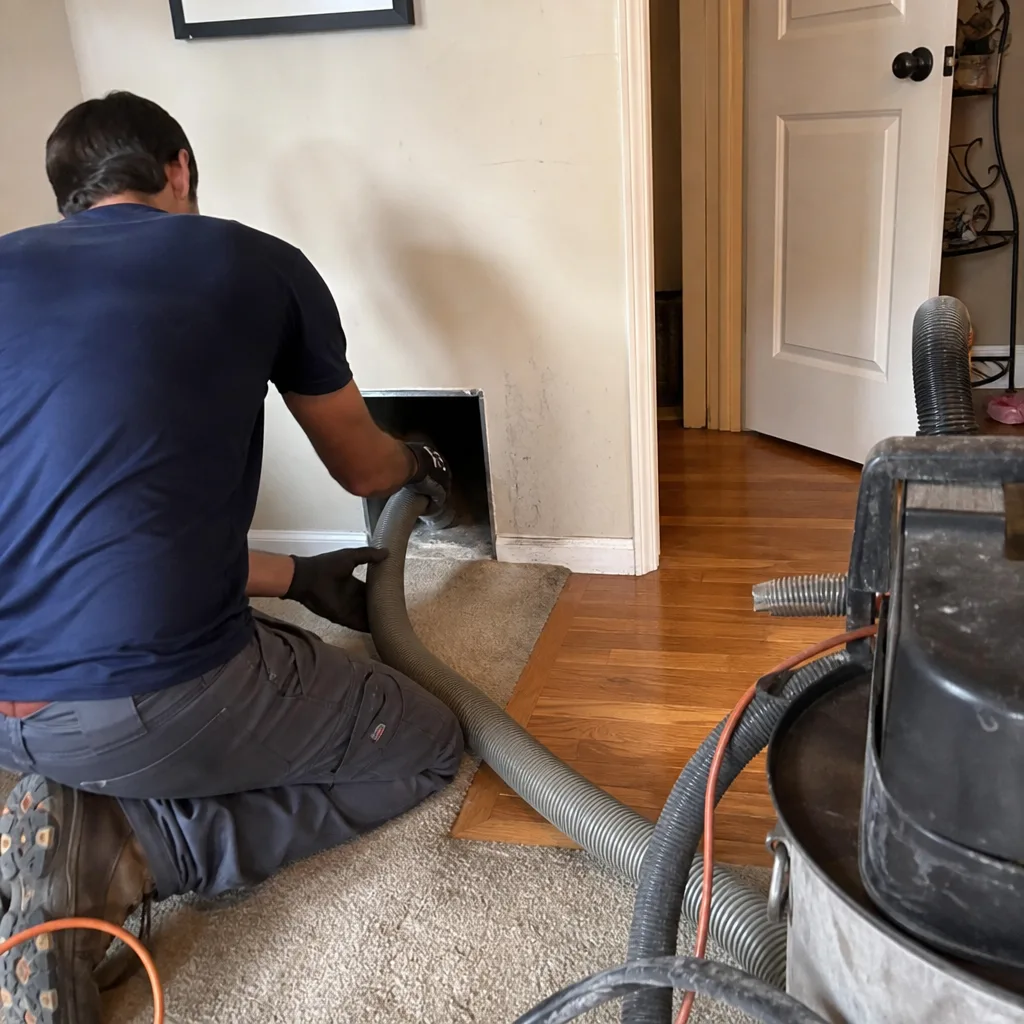 Before
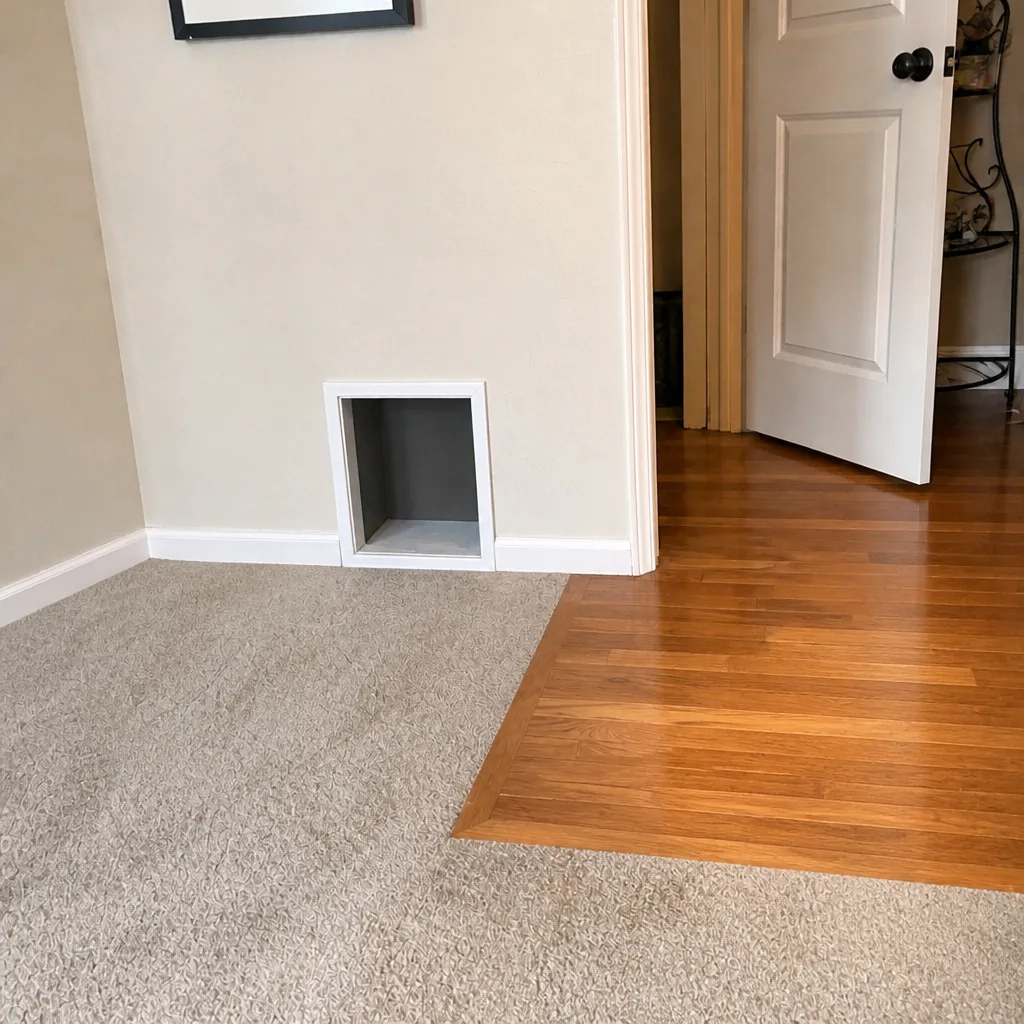 After