
Last updated November 22, 2026
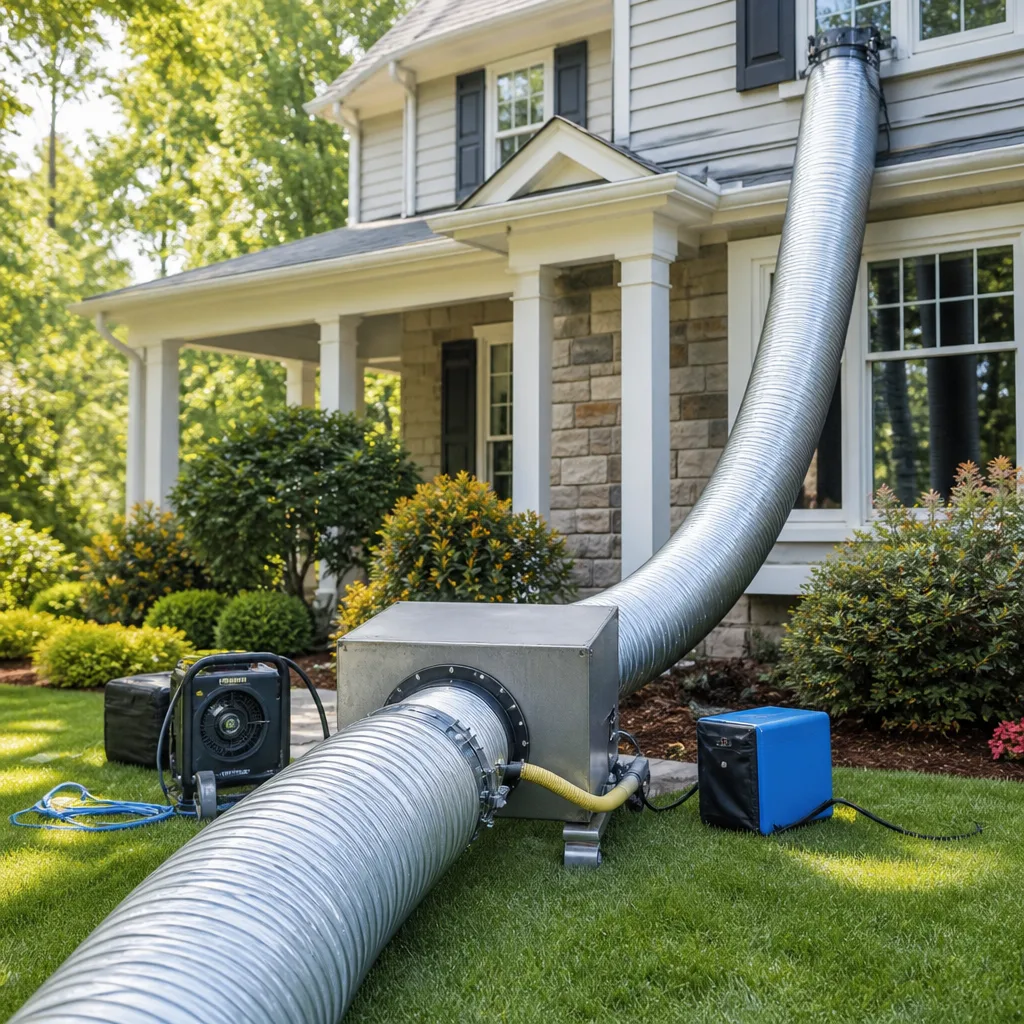 Whole-home duct cleaning
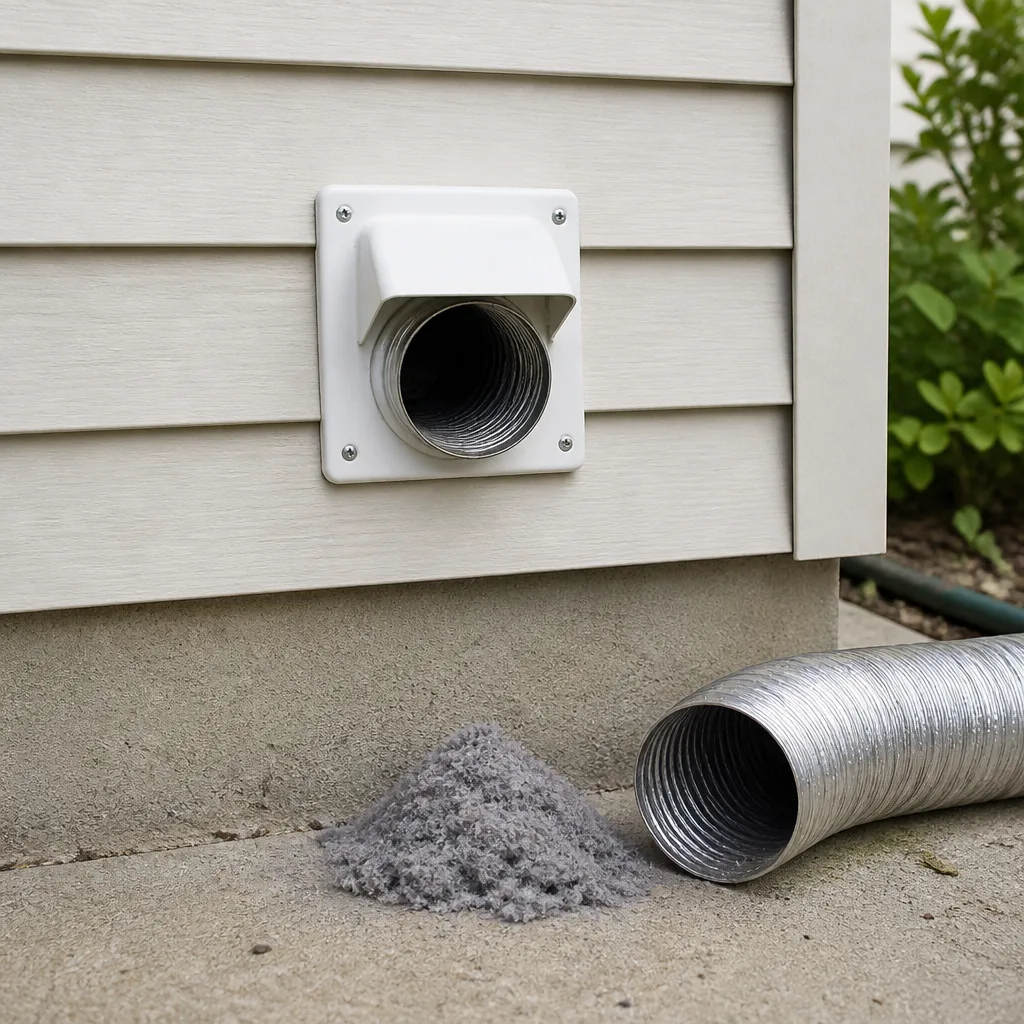 Dryer vent cleaning
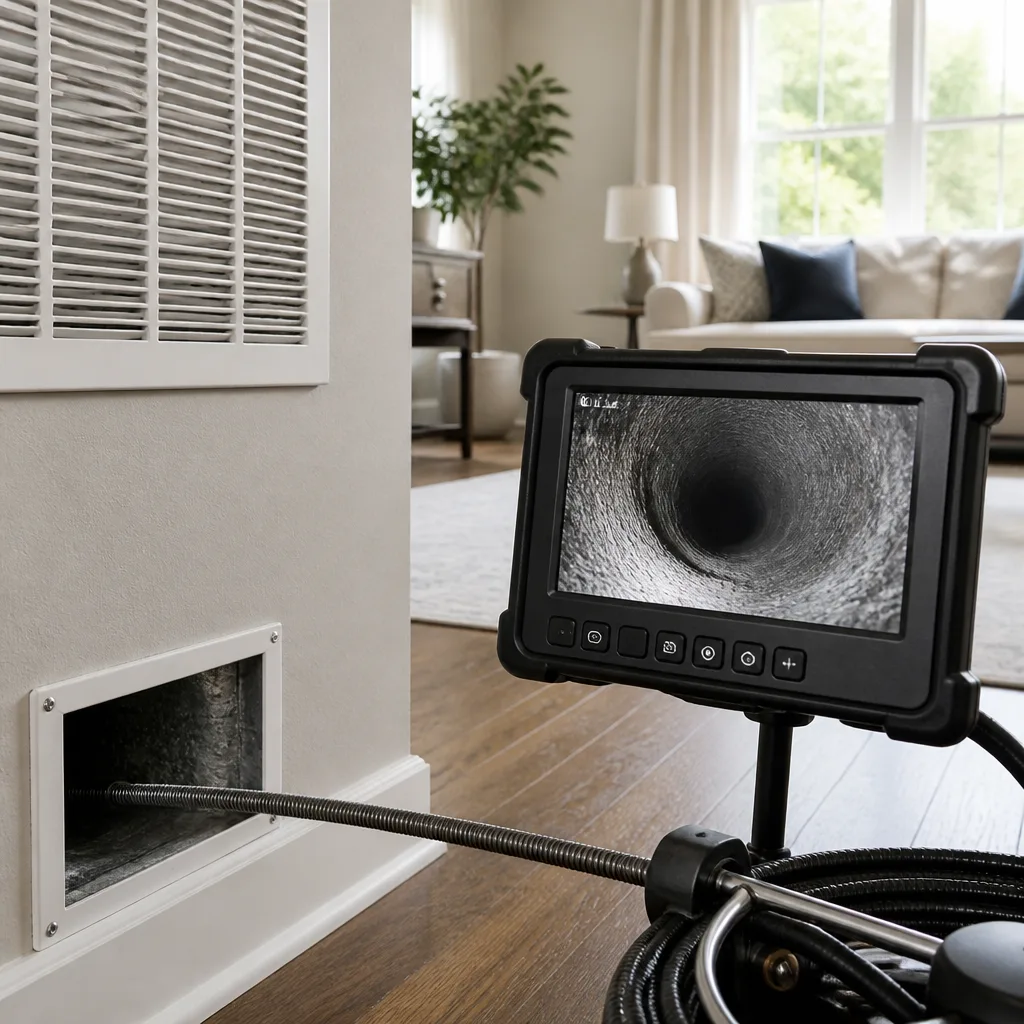 Camera inspection
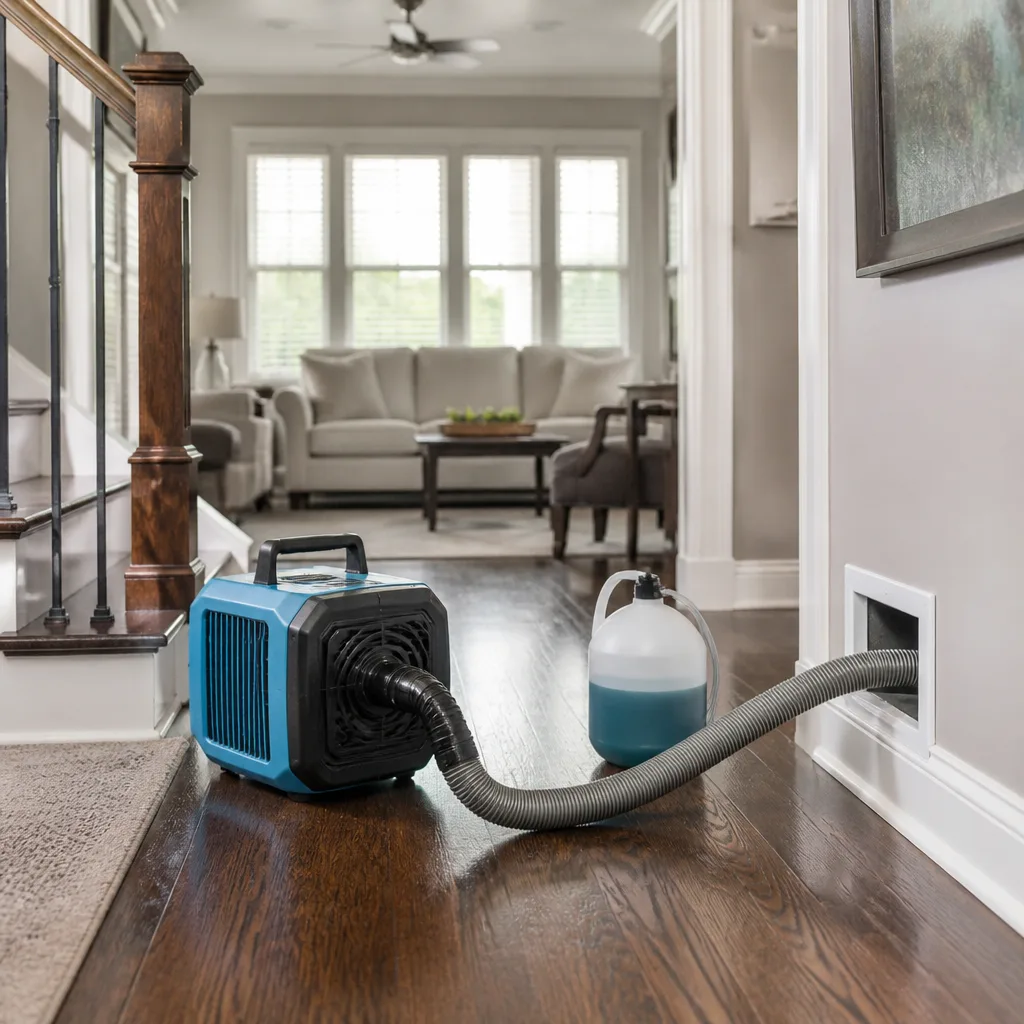 Sanitizing & deodorizing
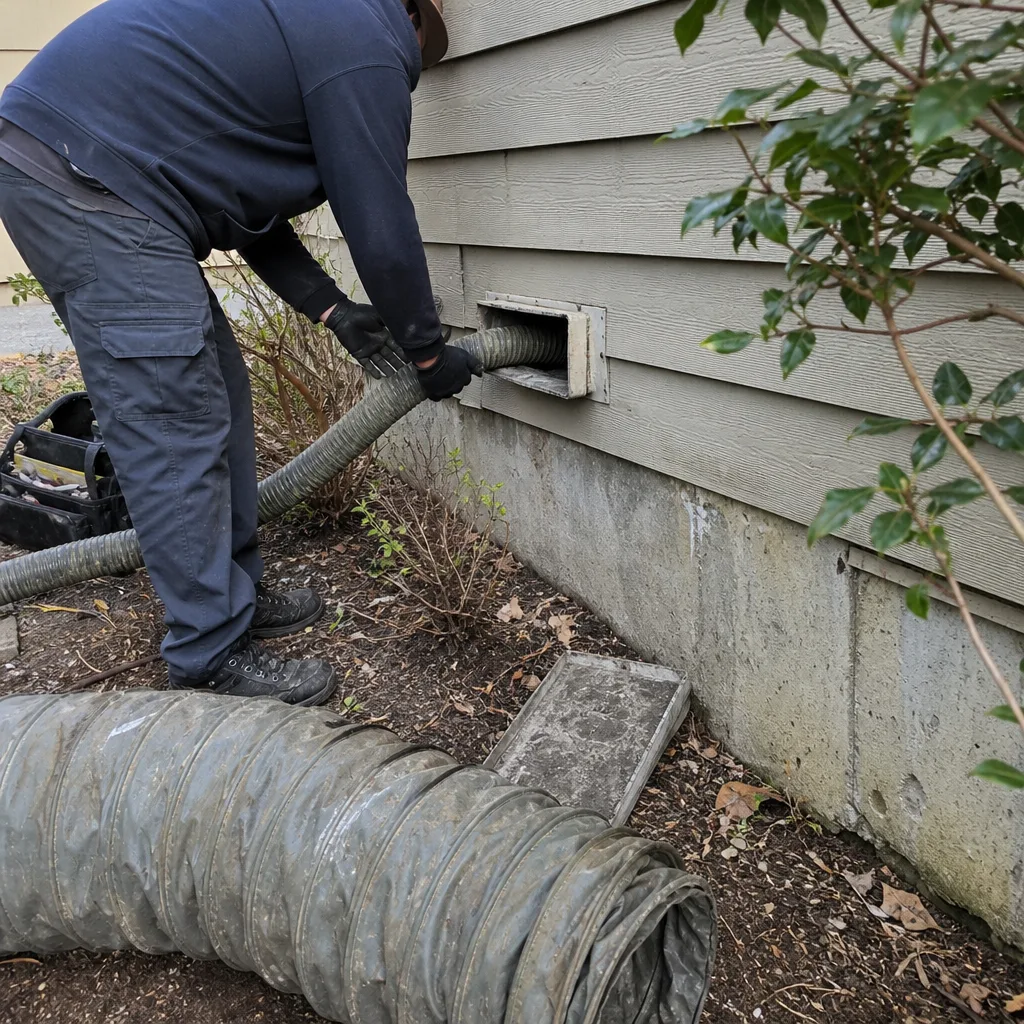
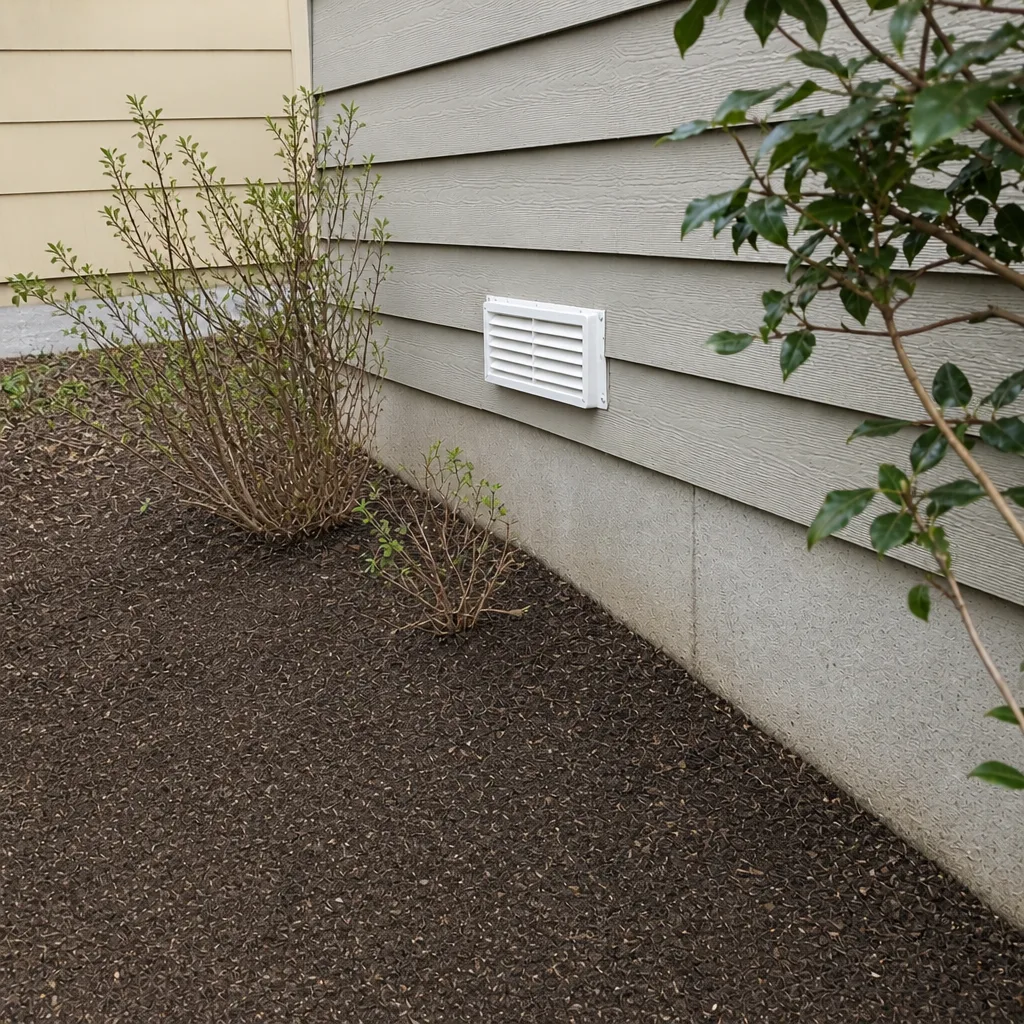
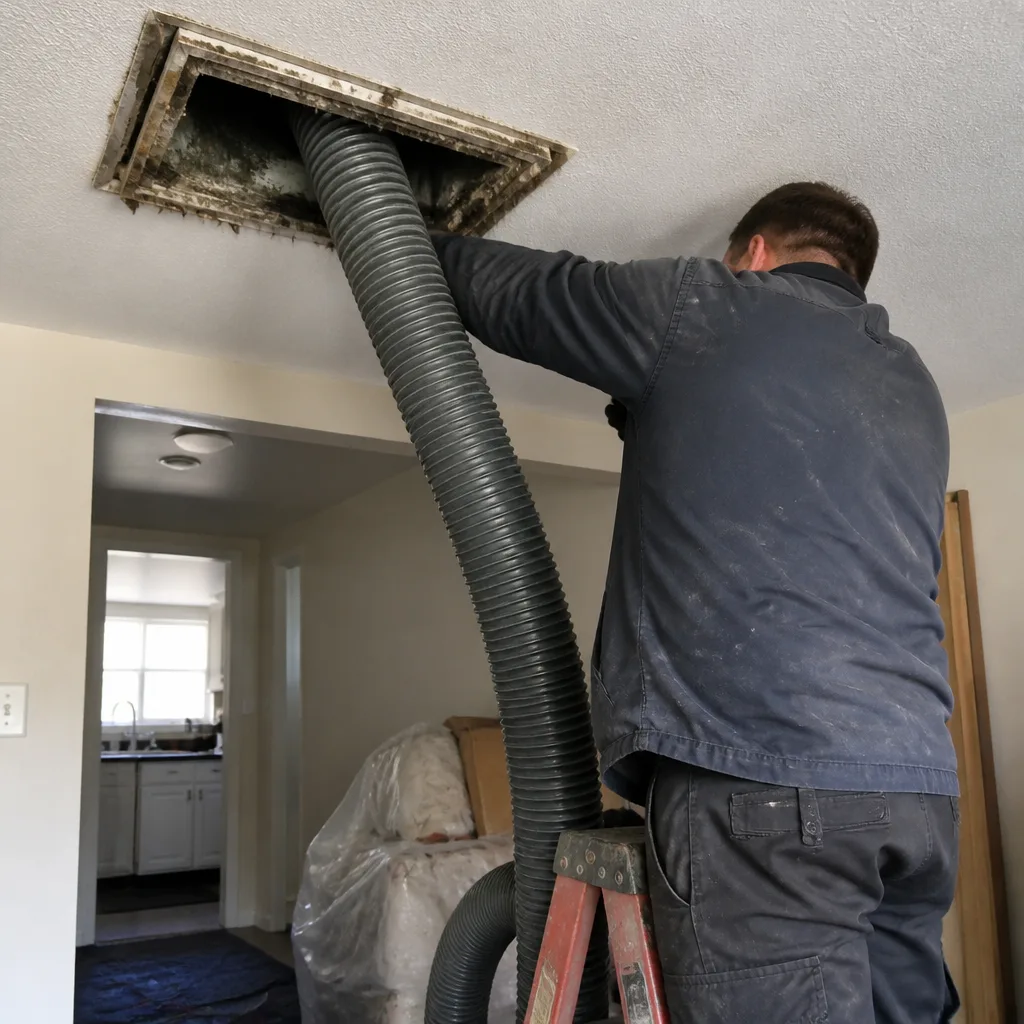
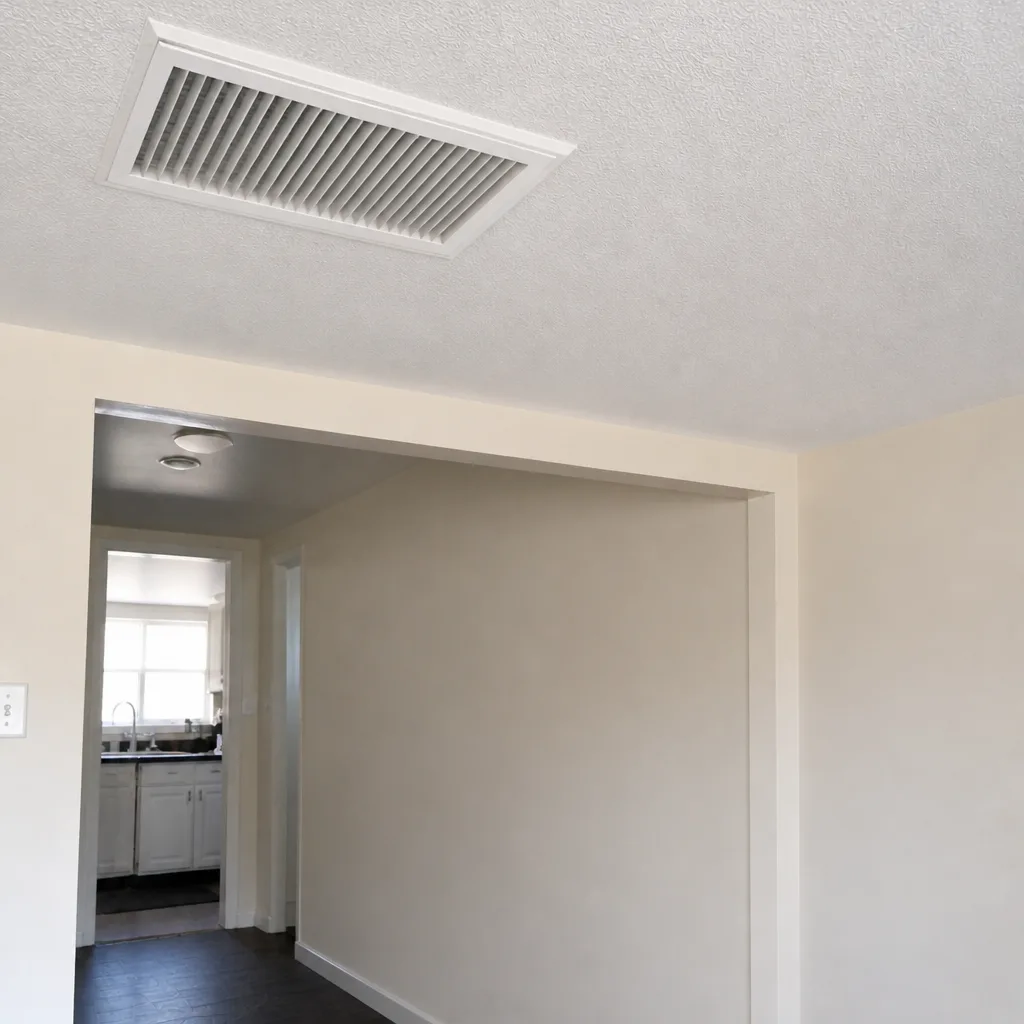
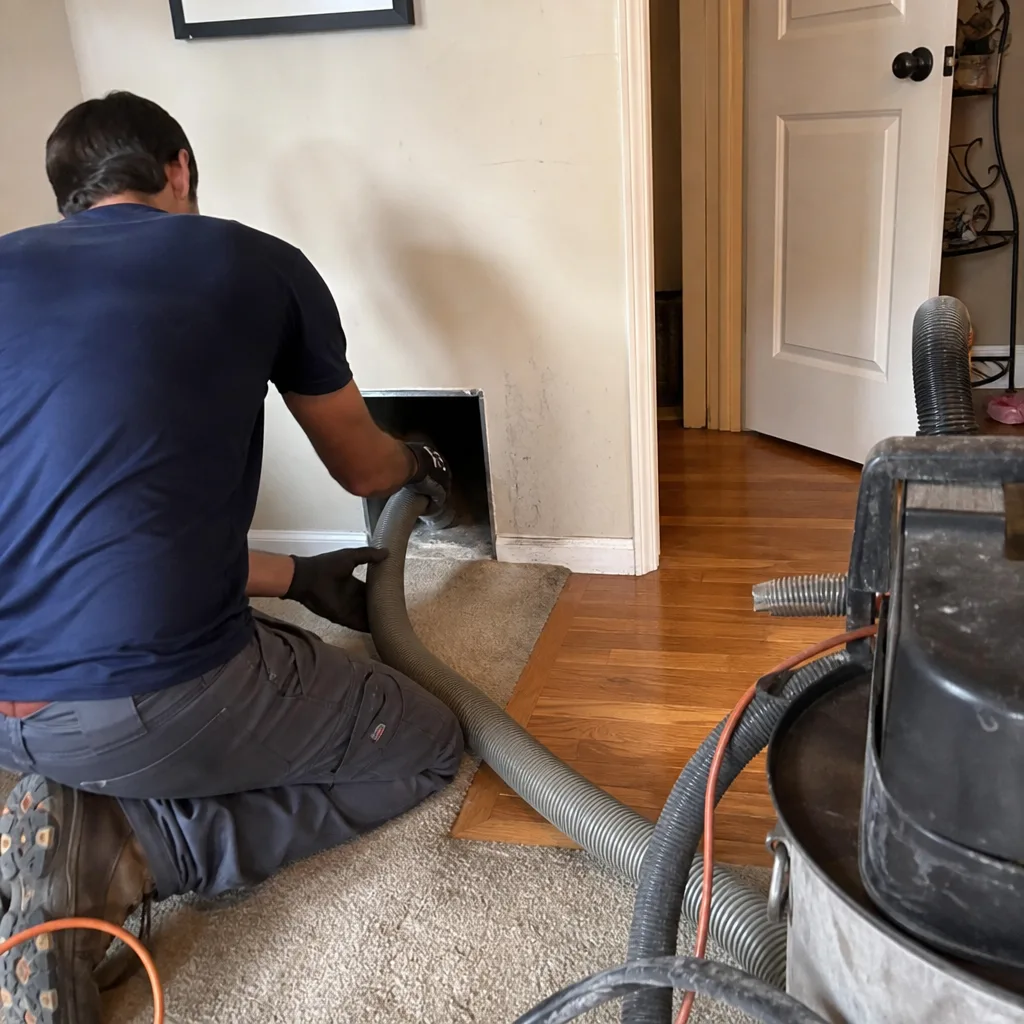
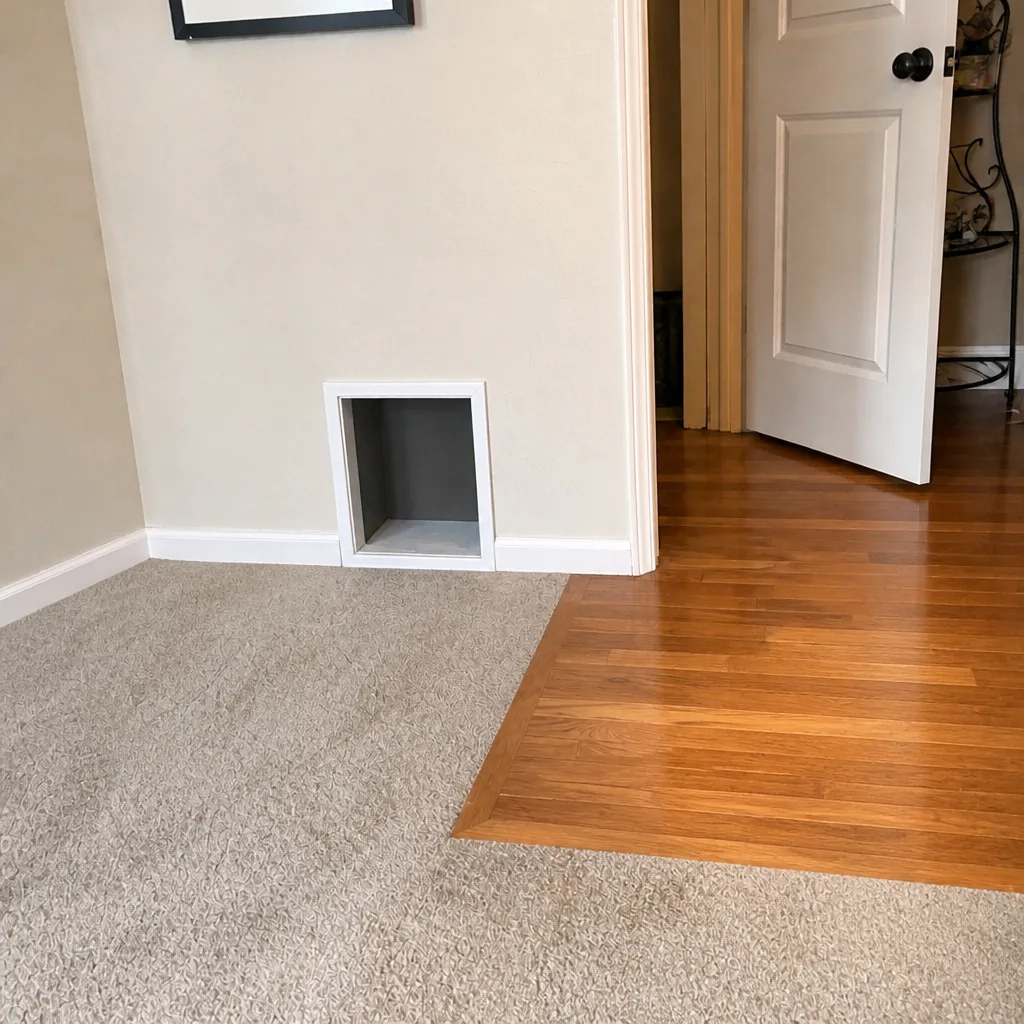
Whole-system duct and dryer vent check with before-and-after photos - you see exactly what came out of your vents
That "$99 whole-house special" is a bait ad - the real number appears once they are in your hallway, or the "clean" is a shop-vac at the register. We photograph the inside of your ducts before and after instead.
Air Duct Cleaning Permits, Codes & Inspections in Northgate, WA: What You Need to Know
No permit is needed to clean your ducts. That part is simple. But if the technician recommends sealing a disconnected trunk line or adding a return, that work crosses into code-governed territory most homeowners don’t realize exists. Cleaning and maintenance live on one side of Washington State’s mechanical code; modification and repair live on the other. The line is blurry enough that people blur it by accident, and unpermitted work has a way of surfacing later, usually at resale. In this guide we walk through what the mechanical code covers, when duct repair or mastic sealing tips into permit territory in King County jurisdictions, how to check a contractor’s licensing, what inspection records mean when you sell, and how to keep a cleaning job clean. You’ll finish knowing exactly which work needs paperwork and which does not, whether you’re in a Northgate split-level or a rental near the transit center.
Quick Answer
Air duct cleaning itself does not require a permit in Washington State. Cleaning, maintenance, and sanitizing fall outside the mechanical permit scope. Duct repair, duct replacement, adding or relocating a return or supply, and installing new register boots generally do require a mechanical permit, and in Seattle and King County that permit is tied to specific mechanical code provisions and inspections. Get the cleaning scoped and documented separately from any repair recommendation so each type of work is categorized correctly.
Styles & brands we work with
- Whole-home duct cleaning
- Dryer vent cleaning
- Camera inspection
- Sanitizing & deodorizing
Table of Contents
- Cleaning vs. Modification: Where the Line Sits
- What the Washington State Mechanical Code Actually Covers
- When Duct Sealing or Mastic Application Needs a Mechanical Permit in King County
- How to Confirm a Contractor Is Licensed for Mechanical Work
- What Inspection Records Show at Resale
- How to Scope Cleaning and Repair Separately
- How Northgate Housing Shapes Duct Code Questions
- Common Mistakes to Avoid
- When to Call a Professional
- Frequently Asked Questions
Cleaning vs. Modification: Where the Line Sits
The mechanical code cares about what changes in a building’s systems, not what gets cleaned inside them. That distinction sounds obvious until a technician is on site and finds a trunk line that’s separated at a joint, or a return that’s undersized for the equipment. Suddenly a cleaning visit is a repair conversation, and the homeowner is being told something needs to be fixed without being told whether the fix needs a permit.
The practical rule of thumb:
- Cleaning and maintenance – brushing, negative-air extraction, sanitizing, filter replacement, coil cleaning. No permit.
- Repair of in-place components – reattaching a disconnected flex run, re-taping a joint, replacing a section of duct with the same size and routing. This is the gray zone, and it depends on scope and jurisdiction.
- Modification – adding a return, relocating a register, changing duct sizing, installing a new boot through drywall or a floor. This is permit territory in most King County jurisdictions.
- New installation – any new duct system or major reconstruction of an existing one. Always permit territory.
The useful way to think about it: if the work changes how the system is designed to move air, treat it as modification. If it restores the system to how it was designed to move air, treat it as repair. That’s not the letter of the code, but it lines up with how most inspectors draw the line in practice, and it’s the framing we use when we’re scoping a job with a homeowner in Northgate.
What you want, whether you’re booking air duct cleaning or a repair alongside it, is a written scope that names each task and states whether it is cleaning, repair, or modification. That single document determines how the rest of the process unfolds.
What the Washington State Mechanical Code Actually Covers
Washington adopts the International Mechanical Code with amendments, and the state’s building code framework applies it across jurisdictions with local amendments layered on top. The mechanical code governs the installation, alteration, repair, replacement, maintenance, and demolition of mechanical systems, which includes ductwork when it’s part of a heating, ventilating, or air-conditioning system.
Two words in that list do a lot of work: alteration and repair. In code language those are specific categories with different thresholds. Cleaning appears nowhere near them in a way that triggers a permit. The code is written around system integrity and life safety, not around the interior cleanliness of a duct.
The scope sections typically address:
- Installation and alteration of ducts, plenums, and exhaust systems
- Duct sealing requirements for systems that sit in unconditioned space
- Return air and outside air provisions
- Clearances to combustibles
- Venting for fuel-burning appliances
Notice that the last three have nothing to do with cleaning and everything to do with how the system is built and where air comes from. That’s why a permit question about duct work is really a question about system design changes, not dirt. If you’re in Northgate and your home was built in the mid-century wave of construction that filled the area, the ductwork is often original and has had decades of small repairs that were never documented. Assembling a written scope before any work starts is how you find out whether a “simple” job will need a permit.
When Duct Sealing or Mastic Application Needs a Mechanical Permit in King County
Mastic is a sealant. Applying it to an already-installed joint is maintenance. That’s the clean case. Where it gets murky is when mastic is part of a repair that changes the geometry of the system, or when sealing is done as part of installing new components.
Typical scenarios and how they tend to be treated across King County jurisdictions:
- Mastic on existing accessible joints – maintenance. No permit.
- Sealing a disconnected trunk line at a joint – repair. Usually no permit if it’s restoration to the original configuration, but ask the jurisdiction.
- Sealing plus adding a new branch or return – modification. Permit required.
- Sealing as part of a duct system replacement – permit required, plus insulation and clearance inspections.
- Sealing in unconditioned attic or crawlspace where duct runs were never properly supported – repair scope can expand quickly. Get it in writing before mastic goes on.
Seattle and other King County jurisdictions operate their own permit portals and their own inspection schedules, and they don’t agree on every threshold. The way to know for sure is to call your city’s building department with the specific scope of work in front of you. That’s not a runaround. It’s the only reliable answer, and it takes less time than most people expect.
Northgate sits within Seattle’s jurisdiction, so permits for duct modification on a Northgate property generally go through Seattle’s system. That matters because Seattle has been more specific than some surrounding cities about what counts as an alteration. If you’re comparing notes with a neighbor in Shoreline or Lake Forest Park, expect their answer to differ slightly from yours.
How to Confirm a Contractor Is Licensed for Mechanical Work
Washington separates contractor registration from specialty licensing. A general contractor registration doesn’t automatically authorize mechanical work, and a mechanical contractor’s license doesn’t automatically cover all the trades you might need on a single job. That’s why the question of who does what is more than bookkeeping: it determines whether the work is insurable, legal, and inspectable.
To check a contractor for mechanical work:
- Ask for the contractor’s Washington registration number and look it up in the state’s contractor database. The database shows registration status, bond, and insurance on file.
- Confirm the contractor holds the appropriate specialty license for the work being proposed. For duct installation or modification, that’s mechanical. For cleaning only, registration is the relevant standard.
- Ask whether the contractor pulls the permit themselves. If they ask you to pull it as the homeowner, that shifts responsibility for compliance onto you, and inspections often go smoother when the contractor is the permit holder.
- Get the license and permit arrangement in writing on the estimate. A contractor who is hesitant to name their license number on paper is telling you something.
We connect Northgate homeowners with independent local professionals who are state-licensed for the scope of work they perform. That distinction matters for cleaning and repair alike. When air duct cleaning Northgate and surrounding neighborhoods is on the scope, the work is cleaning-grade. When a repair is recommended, we’re clear about which category it falls into and whether it warrants a mechanical contractor.
What Inspection Records Show at Resale
When a home in Northgate goes on the market, buyers and their inspectors look at permits and inspection records. Seattle and King County maintain permit history tied to property addresses, and unpermitted mechanical work can surface in a few ways: a buyer’s inspector flags new ductwork that doesn’t match the permit history, an appraiser notes a recent mechanical change without documentation, or a title search turns up an open permit that was never closed.
None of those outcomes is catastrophic on its own. But each one creates a negotiating moment, and the homeowner is usually the one holding the short end of it because they can’t produce records for work that every other part of the house does have.
What inspection records typically contain for duct work:
- The permit number, date issued, and scope description
- The contractor of record
- Rough-in and final inspection results
- Any corrections the inspector required and whether they were resolved
The practical guidance is to keep cleaning and repair records as clearly separated as the permit records. Save the cleaning invoice with its scope description, save the repair estimate and any permit number alongside it, and keep them together in the file you’d hand a buyer. A five-minute habit at the time saves an hour of explaining later. If you’re a property manager tracking several Northgate units, a simple spreadsheet with address, date, scope, permit number, and contractor is enough.
How to Scope Cleaning and Repair Separately
This is the single most useful thing this guide can tell you: don’t let a cleaning job and a repair job be priced or documented as one line. Even when the same contractor does both, they should appear as separate line items with separate scope descriptions. That’s not administrative fussiness. It’s what protects you at inspection and resale.
A workable sequence:
- Inspect first. A proper inspection documents what’s actually in the system, with photos, before any recommendation is made.
- Clean the system. Mechanical agitation plus negative-air extraction is the standard. Duct repair and sealing capability belongs to a different scope, and it should be quoted separately even when the same team can do it.
- Document the cleaning. Before-and-after photos, a written summary, and the date of service.
- Assess the repair separately. Any disconnected trunk line, separated joint, or undersized return gets its own written scope with the name of the task, the method, and whether it’s repair or modification.
- Check the permit question per task. Anything in the modification column gets a call to the building department before work is scheduled.
- Keep the paperwork together. Two invoices, one file.
On the cleaning side, professional-grade equipment matters for the documentation to be meaningful. When we schedule HVAC cleaning alongside duct cleaning, the before-and-after photos come from a documented process using Rotobrush mechanical agitation and Nikro negative-air extraction. Duct repair and sealing we scope separately, in writing, with the permit question settled first. That’s how a cleaning job stays a cleaning job.
If the scope expands into mold, heavy particulate, or a remediation-level situation, Abatement Technologies equipment and process belongs to a different category again, and that’s where a contractor with that capability saves you a second visit from someone else.
How Northgate Housing Shapes Duct Code Questions
Northgate has a housing mix that produces more duct code questions than a newer suburb would. The neighborhood filled in heavily during the post-war and mid-century decades, and much of that housing stock still runs original galvanized sheet metal or early flex duct in attics and crawlspaces. Duct systems from that era were installed before current sealing and support requirements existed, so they’re often not compliant with what a new installation would require today.
Why that matters for permits:
- A repair that restores an original system to its original configuration usually doesn’t trigger a permit.
- A repair that changes the system to meet current code does trigger a permit, because it’s now an alteration.
- The homeowner often can’t tell which is which from the invoice.
Northgate’s climate adds a layer. The damp, cool stretch of the year means ductwork in unconditioned attics and crawlspaces is prone to condensation, and condensation is where disconnected joints and unsupported runs become visible. That’s the moment a cleaning scope usually expands. It’s also the moment to slow down and get the scope in writing.
Renters in the area and property managers on multi-unit properties face a related question: who is the responsible party for a permit? The answer usually depends on the lease and on which party is arranging the work. It’s worth settling before a repair is scheduled. And for single-family homes near the transit center or along the older residential streets, a documented cleaning history is a small but real asset when the time comes to sell.
Common Mistakes to Avoid
- Letting a cleaning visit turn into an unbudgeted repair without written scope. This is the most common one. Ask for the repair scope in writing before any work begins, even if it’s the same crew.
- Assuming “no permit needed to clean” means “no permit needed to repair.” Those are different categories. The first is true; the second depends on the work.
- Accepting a verbal license number. Look it up in the state database yourself. It takes a minute and it settles the question.
- Hiring a contractor who asks you to pull the permit as the homeowner. That shifts compliance responsibility onto you and often complicates inspection and resale.
- Treating duct sealing of a disconnected trunk line as a simple maintenance task. In a Northgate home with original ductwork, a sealed joint that changes system behavior can be an alteration. Ask your jurisdiction.
- Not keeping cleaning and repair records together. A buyer’s inspector will ask for both. If they’re in two different folders, the answer becomes “I’ll look for it,” which is not the answer that keeps a deal moving.
- Booking an HVAC service visit without separating cleaning from repair in the scope. A single invoice that reads “duct cleaning and repair” is unhelpful when the permit question comes up. Two line items, two records.
When to Call a Professional
Some duct questions are best answered on-site. If your system has visible separation at a joint, musty odors that return after cleaning, or uneven airflow in part of the house, that’s a professional inspection. If a contractor has recommended duct repair and you need a second written opinion on whether it’s repair or modification, that’s a professional evaluation too. If you’re preparing a Northgate home for sale and want the cleaning documented properly, that’s the moment to schedule. And if the recommendation touches mold, heavy particulate, or remediation-level contamination, that needs a contractor with the right equipment rather than a basic cleaning service.
Air Duct Cleaning Northgate offers free estimates in Northgate. Call (877) 492-3448. We answer 24/7. Fast dispatch from 7am to 7pm, Sunday through Friday.
If your concern is actually the dryer vent rather than the ducts, that’s a fire-safety scope rather than an air-quality one, and we handle dryer vent cleaning as part of the same visit when we can.
Frequently Asked Questions
No. Air duct cleaning is maintenance and does not require a mechanical permit in Washington State or in Northgate. Permits apply to modification, installation, and certain repair work, not to cleaning, sanitizing, or filter replacement.
It depends on what the sealing is part of. Mastic applied to existing joints as maintenance generally does not require a permit. Sealing as part of adding a return, relocating a register, or changing duct sizing generally does, because that work is a modification. Call your city’s building department with the specific scope before scheduling.
Look up the contractor’s Washington registration and specialty license in the state database, and confirm the license matches the scope of work being proposed. Mechanical work requires a mechanical contractor license, which is separate from general registration. Get the license number and permit arrangement in writing on the estimate.
It can surface during a buyer’s inspection or a title search, and it usually creates a negotiating moment rather than a deal-breaker. Seattle and King County maintain permit records tied to property addresses, so recent mechanical work without a matching permit history stands out. Keeping cleaning and repair records together is the practical defense.
The cleaning invoice documents maintenance and should include before-and-after photos and a written scope. The repair permit documents modification and ties the work to an inspection record. They’re two separate documents for two separate categories of work, even when the same contractor performs both.
Cost depends on system size and contamination level, and a permit line item only appears if the scope includes modification or a permit-required repair. Cleaning itself carries no permit fee. The written estimate sets the final price, so ask for cleaning and any repair scope to be quoted as separate line items. Call (877) 492-3448 for a free estimate. We answer 24/7. Fast dispatch from 7am to 7pm, Sunday through Friday.
The Bottom Line
Cleaning your ducts doesn’t need a permit. Repairing, modifying, or installing ductwork often does. Keep that boundary in mind, ask for cleaning and repair as separate written scopes, verify the contractor’s license against the scope of work, and check with your city’s building department when a recommendation wobbles somewhere between repair and modification. In Northgate’s older housing stock, that boundary comes up more than most homeowners expect, and a five-minute permit check is a much better outcome than a resale conversation about missing paperwork. Document everything, keep the file together, and let the process do the work.
Written by the team at Air Duct Cleaning Northgate.
See the difference
 Before
 After
 Before
 After
 Before
 After