
Last updated November 22, 2026
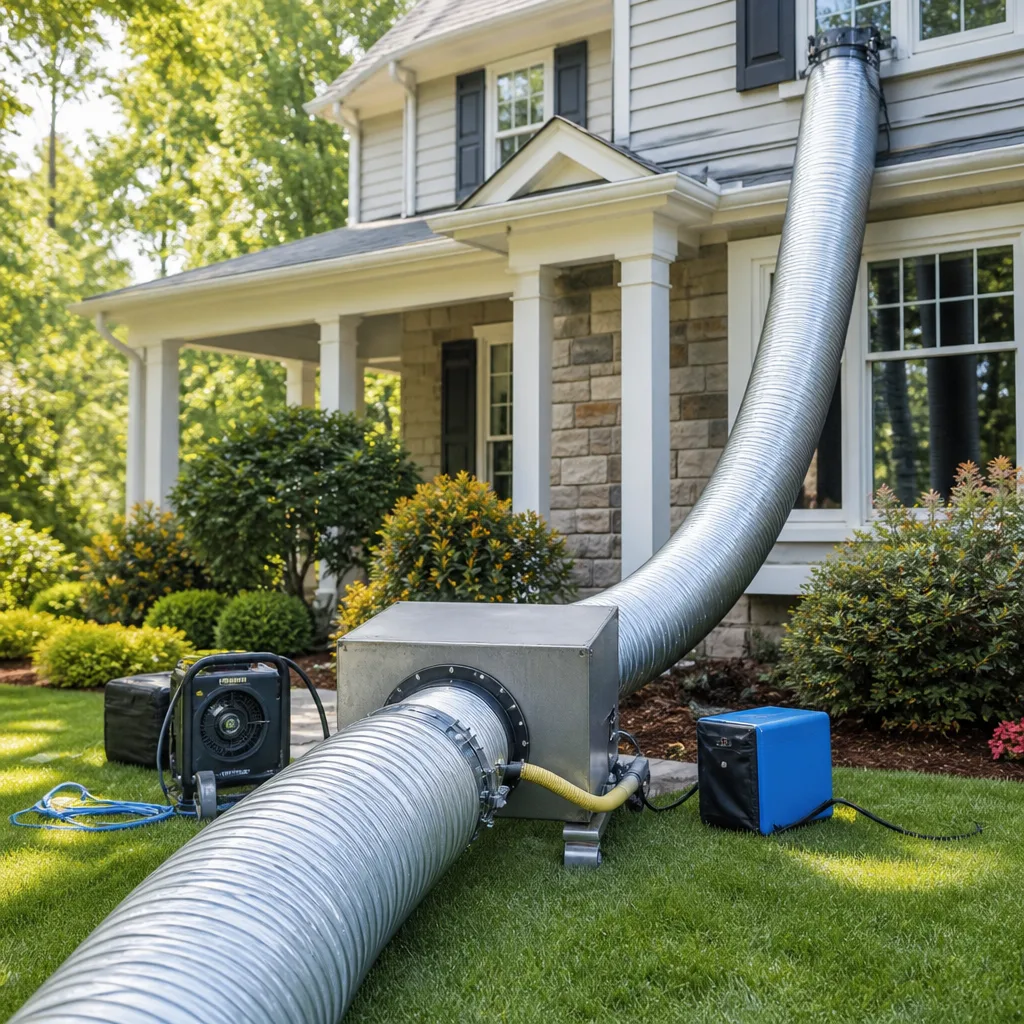 Whole-home duct cleaning
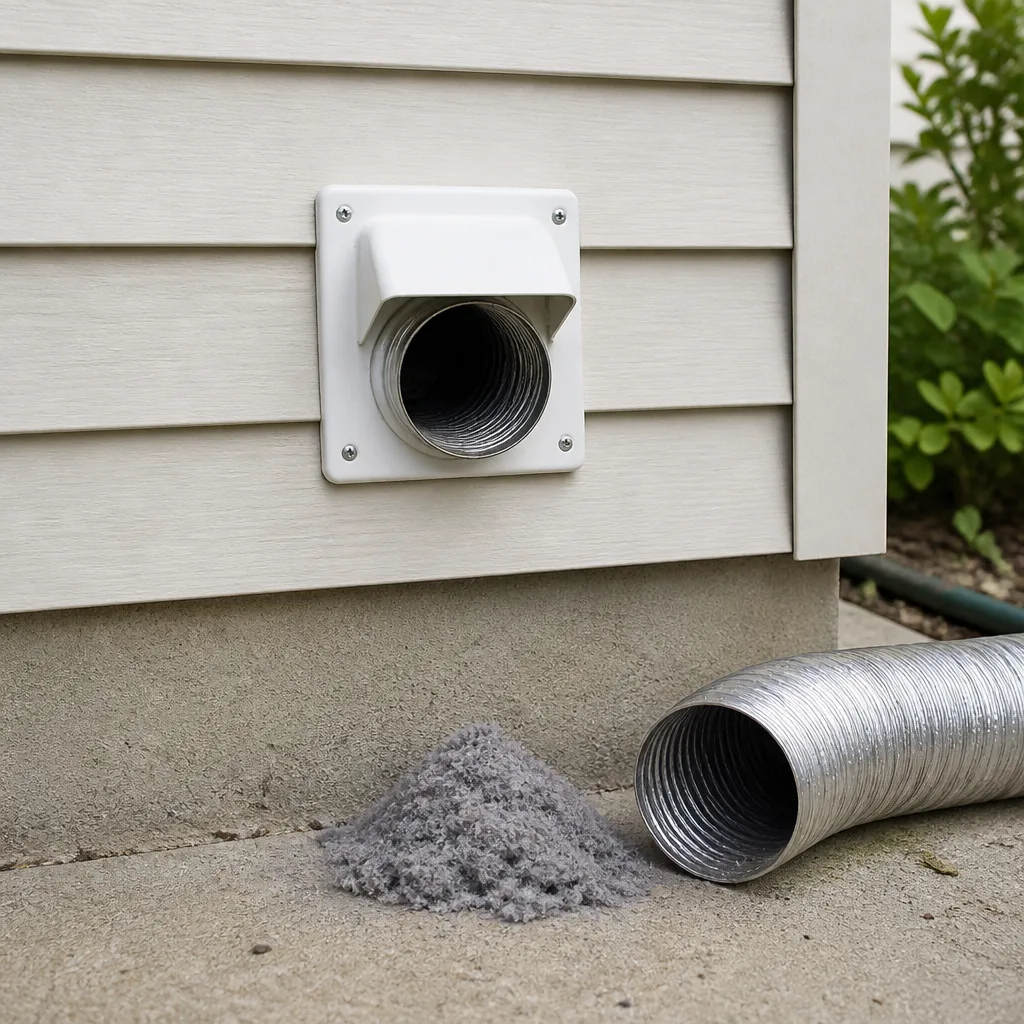 Dryer vent cleaning
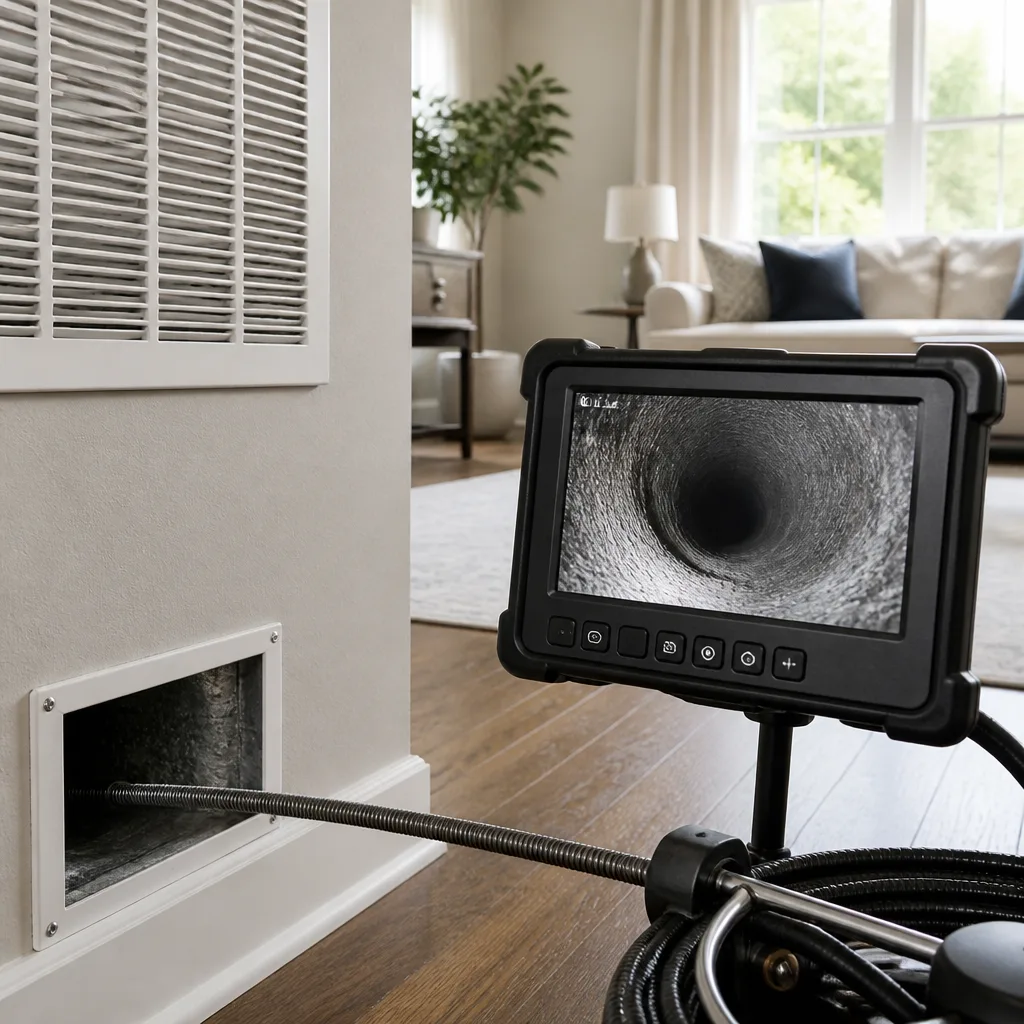 Camera inspection
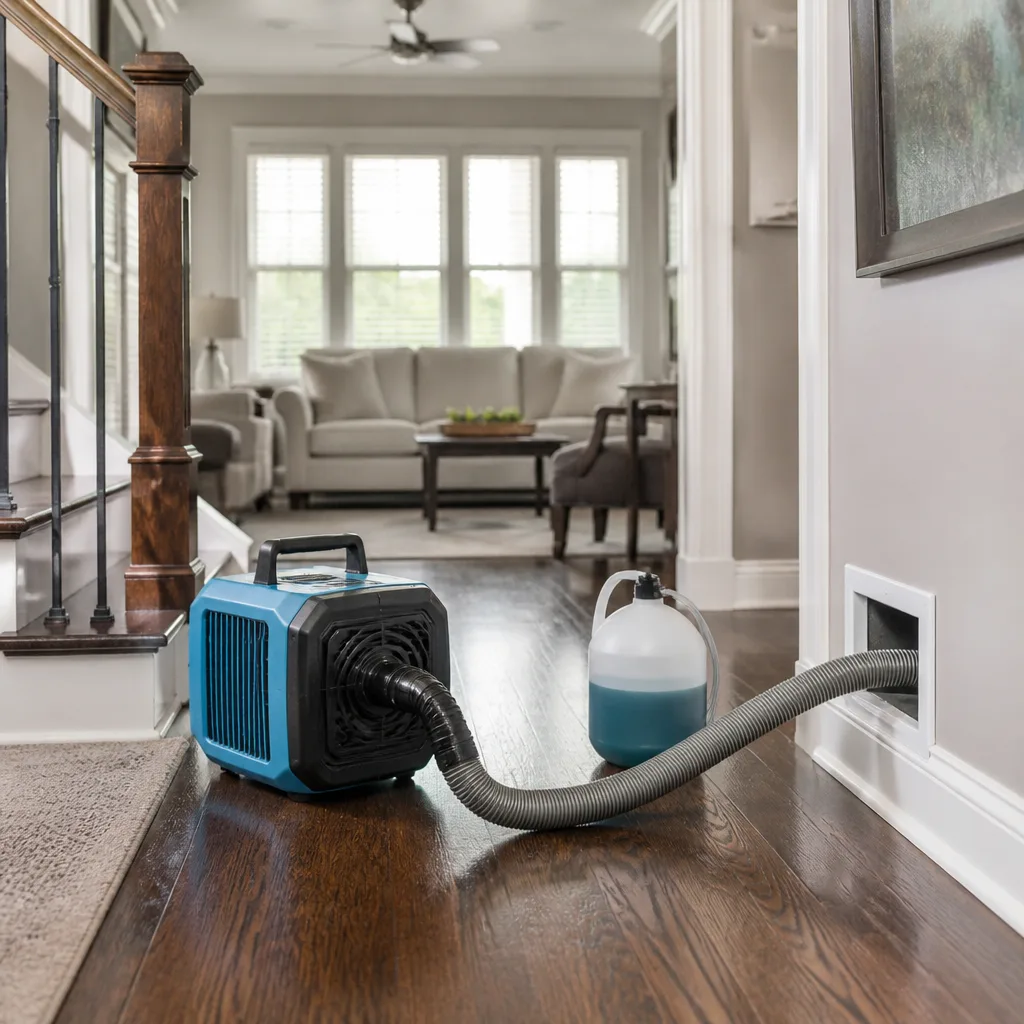 Sanitizing & deodorizing
Whole-system duct and dryer vent check with before-and-after photos - you see exactly what came out of your vents
That "$99 whole-house special" is a bait ad - the real number appears once they are in your hallway, or the "clean" is a shop-vac at the register. We photograph the inside of your ducts before and after instead.
DIY vs Professional Air Duct Cleaning: The Northgate Homeowner’s Decision Guide
Most homeowners assume the DIY duct cleaning question comes down to money or elbow grease. It doesn’t. It comes down to negative pressure. A shop vac and a dryer vent brush can clean a register; they cannot clean a duct system, because no consumer tool can generate and hold the airflow that lifts debris out of a sealed duct network instead of shuffling it deeper into the run. That distinction is the whole game. In this guide we’ll walk through the physics of source removal, what consumer kits actually reach versus what a professional rotary system pulls out, the specific places where doing it yourself genuinely helps, and the honest cost comparison. If you live in Northgate and you’ve been staring at a twenty-dollar brush wondering whether it’s enough, this is for you.
Quick Answer
DIY register and grille cleaning is worth doing and won’t hurt anything, but it is not air duct cleaning. A full duct system requires sustained negative pressure of roughly 500 CFM or more at the extraction point to remove dislodged debris, and no shop vac or consumer kit comes close to that. For anything beyond surface dust on the covers, professional cleaning is the only method that actually removes material from the system rather than moving it around.
Styles & brands we work with
- Whole-home duct cleaning
- Dryer vent cleaning
- Camera inspection
- Sanitizing & deodorizing
Table of Contents
- The Physics of Source Removal: Why Suction Is the Whole Question
- What Consumer Kits Reach vs. What Professional Equipment Reaches
- Where DIY Duct Cleaning Actually Works
- The Real Risks of a DIY Attempt in Northgate Homes
- A Step-by-Step Decision Process
- The Honest Cost Comparison
- Signs Your Northgate Home Needs the Full System Clean
- Keeping a Clean System Clean Between Services
The Physics of Source Removal: Why Suction Is the Whole Question
Air duct cleaning is a source-removal job, not a dusting job. That single sentence explains why the DIY category struggles so much. Dust, pollen, pet hair, construction debris, and settled particulate bond to the walls of a duct run over years. To get them out you have to do two things at once: break the material loose from the surface, and pull it out of the system while it’s airborne. Miss either half and the job fails.
When you disturb debris without simultaneous high-volume extraction, the particles don’t vanish. They get lighter, they catch the airstream, and they migrate. In a duct system that means dust that was settled in the return plenum scatters into branch runs you can’t see. Some of it lands on the heat exchanger, some of it ends up in the supply trunks, and a fraction of it finds its way back into the living space the next time the system cycles. That’s the failure mode: the visible dust on the register cover is gone, and the system is dirtier than it was.
Negative pressure solves this. The principle is that the duct network is sealed at the registers, a large vacuum hose is connected at the main trunk or plenum, and the machine pulls a steady stream of air through the entire system while agitation tools work the interior surfaces. Debris comes loose, gets caught in the airflow, and leaves the building. There’s no window for it to settle somewhere else. The flow has to be maintained the entire time the brush is inside the duct.
We run Rotobrush rotary agitation paired with Nikro negative-air extraction for exactly this reason. The agitation loosens material from the duct wall; the extraction carries it out under sustained vacuum. Abatement Technologies equipment comes into play on heavier contamination jobs where the particulate load is beyond what standard equipment handles comfortably. It’s one continuous process, not two passes on two different days.
What Consumer Kits Reach vs. What Professional Equipment Reaches
A consumer duct cleaning kit typically includes a short whip brush, a flexible rod you attach to a drill, and a shop vac adapter. That combination gets you to the register boot and about a foot or two into the run before the rod loses directional control. The hose on a shop vac is small in diameter relative to a duct run, which means the actual airflow at the duct surface is low even when the vac feels powerful at the nozzle.
Professional equipment is built for a different scale. A rotary brush system drives an eight-inch-diameter agitation head through the full length of the run, guided by a flexible shaft, so it reaches the far end of supply and return trunks that a hand rod can’t. The negative-pressure hose that pairs with it is sized so the airflow stays high through the whole job. That’s the capability gap, and it’s about reach and airflow at the same time, not just one or the other.
Here’s a plain comparison of what each approach can physically do:
- Consumer shop vac: cleans the register cover and the first foot of the boot; airflow too low to move settled debris deeper than the visible opening.
- Consumer drill-attached brush kit: reaches two to four feet of straight run; can’t turn corners well; may scratch flex duct lining if not controlled carefully.
- Professional rotary brush with eight-inch head: full length of the run, including turns, with controlled agitation that doesn’t tear the duct liner.
- Professional negative-air extraction: maintains the airflow needed to carry dislodged debris out of the system the moment it’s freed, instead of letting it settle elsewhere.
The practical upshot for a Northgate homeowner is simple: DIY tools aren’t bad tools, they’re just the wrong scale for a whole-system job. For more on what a full professional service looks like end to end, see air duct cleaning.
Where DIY Duct Cleaning Actually Works
We’re not going to tell you there’s nothing you can do yourself. There is, and it’s useful. What DIY work does well is maintain the surfaces you can actually reach so they don’t become a visible problem before the next system clean. That’s a real contribution to indoor air quality, and it costs almost nothing.
The genuinely useful DIY tasks are narrower than the internet suggests:
- Register and grille cleaning. Pull the covers and wash them in a sink with warm water and a little dish soap. Dust that’s sitting on the front of the grille would otherwise get pulled into the duct the next time the fan runs. This is the single highest-value DIY task in duct maintenance.
- Return cover vacuuming between cleanings. A quick pass with a vacuum brush attachment on the return grille every few months keeps the visible buildup from reaching the duct interior.
- Filter changes on schedule. The correct filter, changed when it loads up, takes a measurable load off the duct system and the blower. This does more for indoor air quality than any DIY gadget.
- Surface cleaning around supply registers. Wiping down the ceiling or wall around each register keeps dust from getting knocked into the boot when someone bumps it.
What this doesn’t do is clean the ducts. It’s a maintenance layer on top of a system service, not a replacement for one. In our experience the homeowners who take this seriously and still schedule a periodic professional clean get the longest life out of their system and the cleanest air.
The Real Risks of a DIY Attempt in Northgate Homes
The risks of going too far into a DIY attempt are not catastrophic in the way a gas line or an electrical panel is, but they are real and they cost money to fix. The most common one is damaged flex duct. Flex duct is a spiral wire covered in a plastic inner liner and an insulated outer sleeve, and if a drill-mounted brush catches the liner it can tear it. A torn liner creates a dead zone where dust collects and can’t be cleaned out, and the only fix is replacing that section of duct.
Insulation disturbance is the second. Many older homes in Northgate have duct runs in unconditioned spaces – attics, crawlspaces, garage soffits – where the outer insulation sleeve is doing real work. Pulling a brush through those runs without understanding the layout can dislodge insulation fibers that then get drawn into the airstream and deposited downstream. That’s not dirt you can vacuum out later; it’s material that has to be removed by a proper extraction process.
The third risk is the one people don’t think about: mold dispersal. If your ducts have visible mold growth or a persistent musty smell, disturbing it with a brush and a shop vac is the worst possible move. Mold spores that were anchored to a surface become airborne and spread through the system. Handling that situation properly needs containment and remediation-grade equipment, and that’s where Abatement Technologies capability matters. A consumer tool doesn’t have containment; it has a nozzle.
The last risk is simple: time and money spent on tools that don’t solve the problem. A homeowner who buys a full consumer kit and spends a weekend on the ducts often ends up calling a professional anyway, now with a shop vac in the garage they didn’t need.
A Step-by-Step Decision Process
If you’re on the fence about whether to clean your ducts yourself or call someone, run through this sequence. Each step narrows the answer.
- Look at the register covers. If the dust is only on the front grille and inside the boot is clean, a DIY register cleaning is enough for now.
- Shine a light into several supply registers. If you can see a heavy dust film, hair, or debris past the first foot, DIY won’t reach it. That’s a professional job.
- Check for smells. A musty or stale smell from any register means moisture or biological growth somewhere in the system. Stop, don’t disturb it, and get an assessment. Our team at Air Duct Cleaning Northgate can look at that.
- Check the returns. If the return grilles are visibly loaded or the filter is dark well before the change interval, the system is moving more material than it should.
- Note any uneven airflow. A room that never heats or cools the way the others do often points to a crushed or disconnected duct, not just dirt. Cleaning alone won’t fix that; duct repair and sealing will.
- Count the years since the last professional clean. If it’s been more than a few years, or you don’t know, the system is due regardless of what the registers look like.
If steps one through three point to a clean register surface, do the DIY maintenance and re-check in a year. If any of steps two through six apply, that’s your answer.
The Honest Cost Comparison
The DIY cost comparison is not as lopsided as it looks. A consumer duct cleaning kit, a shop vac that’s up to the task, and a drill you already own can add up to a meaningful outlay. That money buys a tool that reaches the first foot or two of the system. A professional service buys the equipment that reaches the whole system, plus the labor and expertise to run it without damaging anything. The two numbers aren’t really comparable because they’re not buying the same thing.
The variable to check on any quote is what’s actually included. The biggest source of unpleasant surprises in this trade is a low advertised number that grows once the technician is on site, or a price quoted per vent that balloons with the size of the house. We work differently: one flat price per system, agreed before work starts, so you know the number before anyone touches your ducts. You should also ask for before-and-after photos of your own ducts, not stock images or a generic video. A real before-and-after shows the interior of your actual runs.
Here’s what a professional service includes that a DIY kit doesn’t:
- Full-length rotary agitation through supply and return runs, including turns and junctions
- Sustained negative-air extraction at the plenum so debris leaves the building
- Inspection of the system while it’s open, which is how crushed or disconnected ducts get found
- The option to seal leaks and repair damaged runs in the same visit, so the clean actually holds
- Sanitizing and air quality treatment when smells or contamination call for it
For a breakdown of the full professional scope, see air duct cleaning in Northgate.
Signs Your Northgate Home Needs the Full System Clean
Northgate homes run the same range as most of the region: mid-century builds with original ductwork, newer construction with tighter envelopes, and a lot of remodels that added returns or moved registers without touching the main trunks. The climate matters here. Northgate’s wet season sends outdoor humidity into the return air, and any duct run in an unconditioned space gets that moisture load for months at a time. Damp duct interiors are where the musty smell comes from, and that’s the signal to stop deferring the job.
The other pattern we see is a system that’s been running for years without a filter discipline. The result is a duct interior coated with a felt-like layer of fine dust that settles deeper into the system each season. Register cleaning doesn’t touch that. It’s a full-system job.
Watch for these signs:
- Visible dust or debris past the first foot of any supply register
- Persistent musty or stale smell from the vents when the system starts
- Allergy-type symptoms that get worse when the HVAC runs
- Visible mold growth anywhere in the ducts, on the plenum, or around the coil
- Noticeable dust settling on furniture faster than usual
- Uneven airflow between rooms that wasn’t there before
- A recent remodel, pest activity, or water intrusion that could have introduced debris
- No known professional duct cleaning in recent years
A full system clean is also the right moment to address related parts of the system. We handle HVAC cleaning as part of the same visit for many customers, because a clean duct network feeding a dirty air handler is only half the job. Dryer vent work often goes on the same list – dryer vent cleaning is a fire-safety service and a related piece of the same whole-system picture. One visit, the whole system, one price agreed upfront.
Keeping a Clean System Clean Between Services
The clean is the start, not the finish. What happens between professional services decides how long the result lasts. A system that breathes freely and filters well stays clean much longer than one that runs with a loaded filter and a leaking return.
Filter discipline is the biggest lever. Change the filter on the schedule the system’s manufacturer calls for, or sooner if it loads up. A filter that’s too restrictive for the blower can also reduce airflow in a way that makes the system work harder; if you’re unsure what filter your system wants, ask the person cleaning your ducts, since they’ll see the coil and the blower while they’re in there. Whole-home air quality accessories from Honeywell and Aprilaire can help with filtration and humidity control, and it’s worth asking about them at the same visit as the clean rather than guessing.
Sealing is the other lever. Leaky ducts pull air from unconditioned spaces into the system, which brings dust, insulation fibers, and moisture along for the ride. If the ducts are clean but the returns still pull from an attic or crawlspace that isn’t sealed, the system recontaminates. Duct repair and sealing closes that gap, and we handle it in-house so you’re not chasing a second contractor after the clean. Guardsman filtration products are another piece worth considering on the return side.
Beyond that, the DIY work from earlier in this guide is the maintenance layer. Registers cleaned once or twice a year, filters changed on time, return grilles vacuumed when they start to look loaded. That keeps the professional result in place and pushes the next full clean further out.
Common Mistakes to Avoid
- Buying a consumer kit and assuming it cleaned the ducts. A drill-attached brush reaches two to four feet at most. The visible dust disappearing from the register doesn’t mean the run behind it is clean.
- Running a shop vac into a return without extraction at the plenum. You’ll loosen debris into the airstream and push it deeper into the system, not out of it.
- Disturbing ducts that smell musty or show visible mold. Agitation without containment spreads spores. In Northgate homes with a wet-season humidity load, that pattern is common enough that it should always be checked first.
- Dragging a brush through older flex duct without checking the liner. Northgate has plenty of original flex runs, and a torn liner is a repair job, not a cleaning job.
- Accepting a per-vent price quote. It hides the real scope and invites add-ons once the technician is on site. A flat price per system agreed upfront is the fairer structure.
- Taking the before-and-after on trust. Ask for photos of your own ducts, not a stock image. It’s the only real proof the work was done.
- Cleaning without sealing. If the leaks aren’t closed, the clean starts to reverse as soon as the system runs. Sealing belongs in the same visit.
See the difference
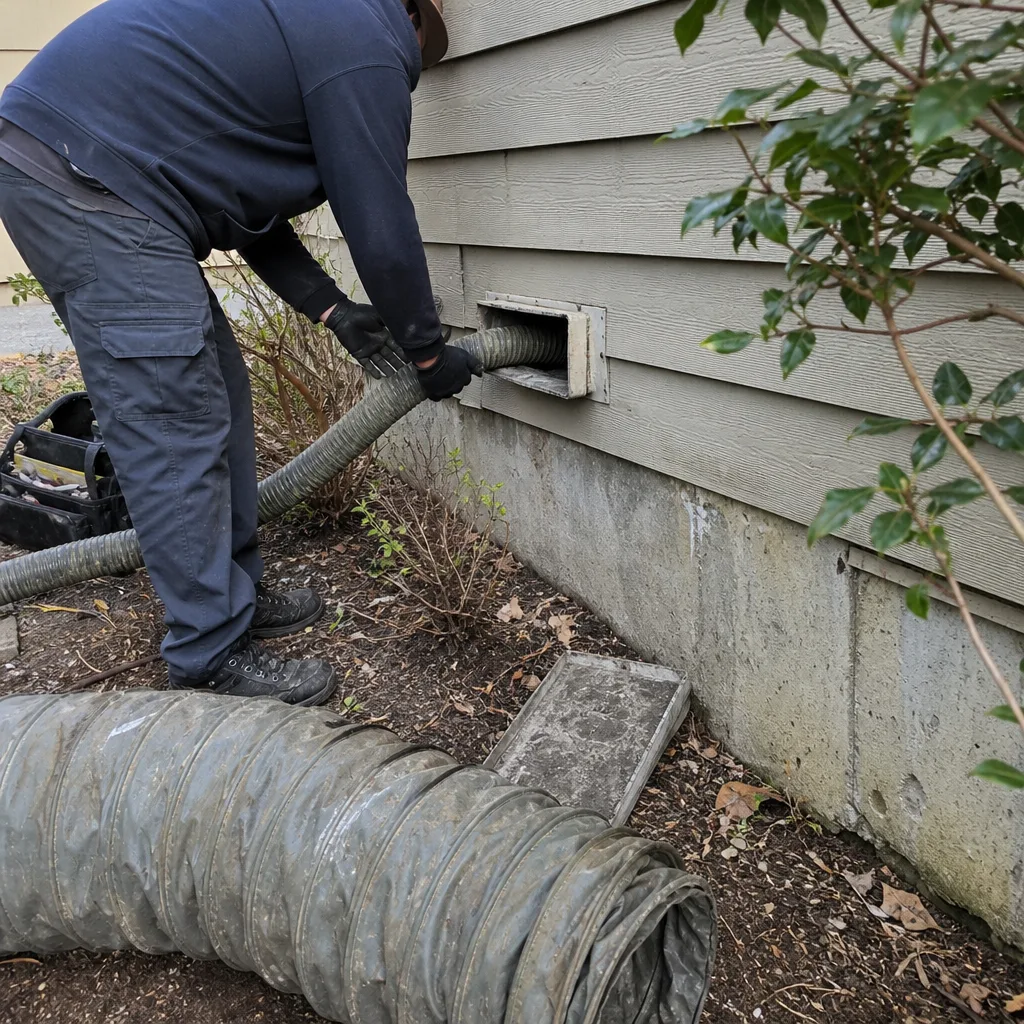 Before
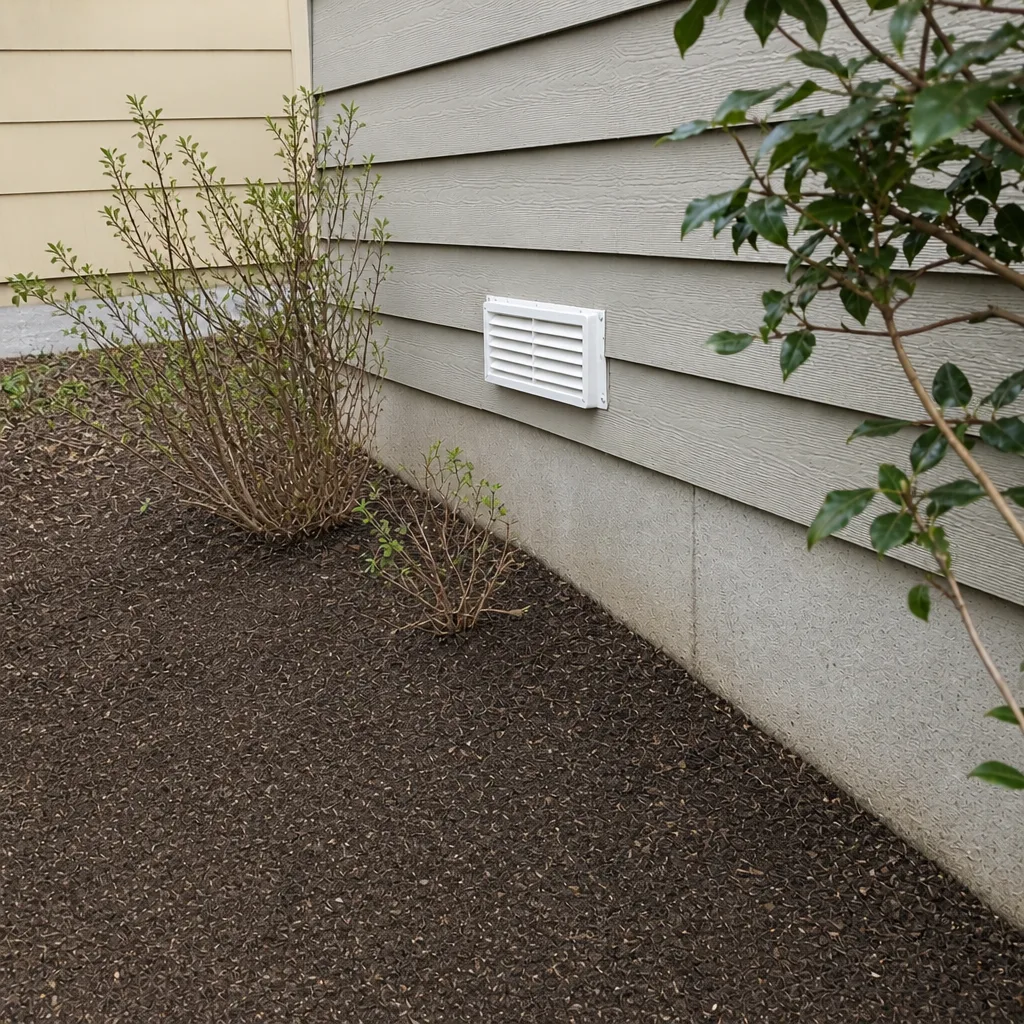 After
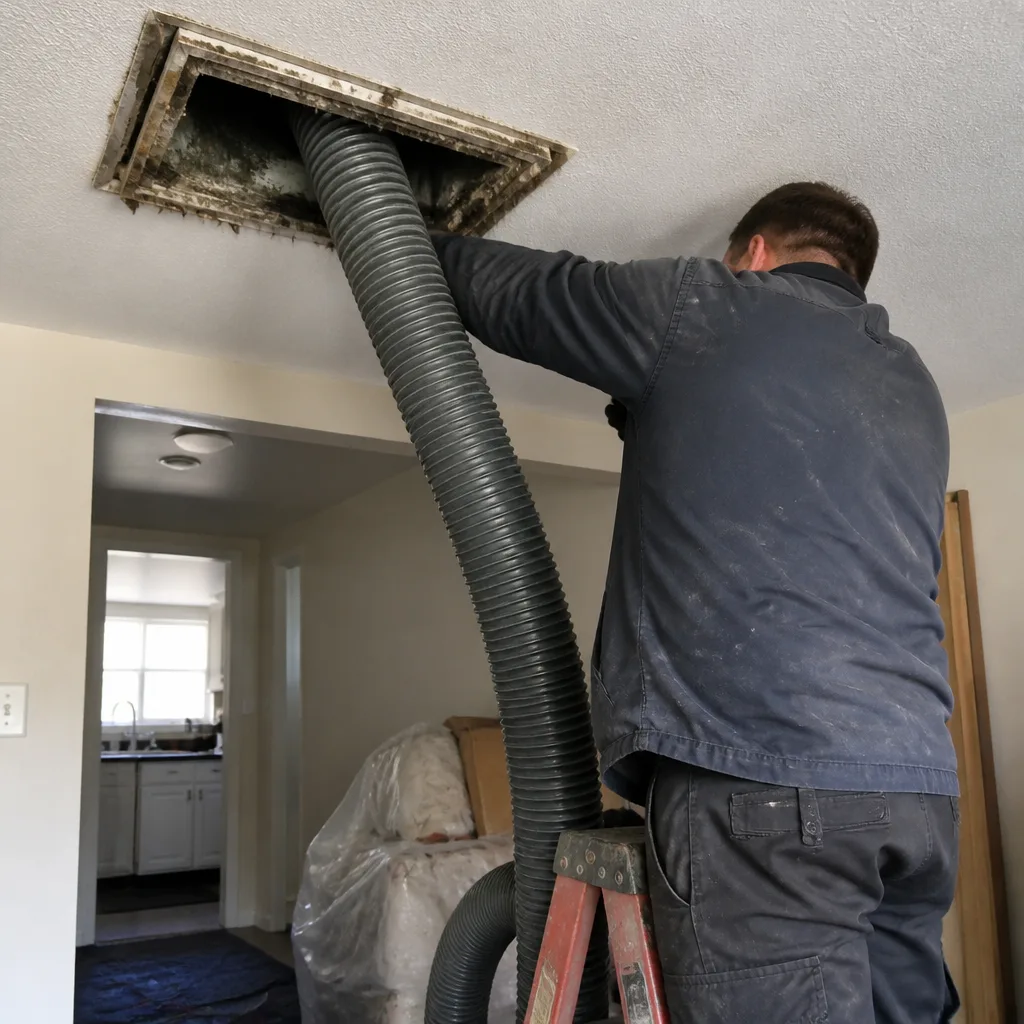 Before
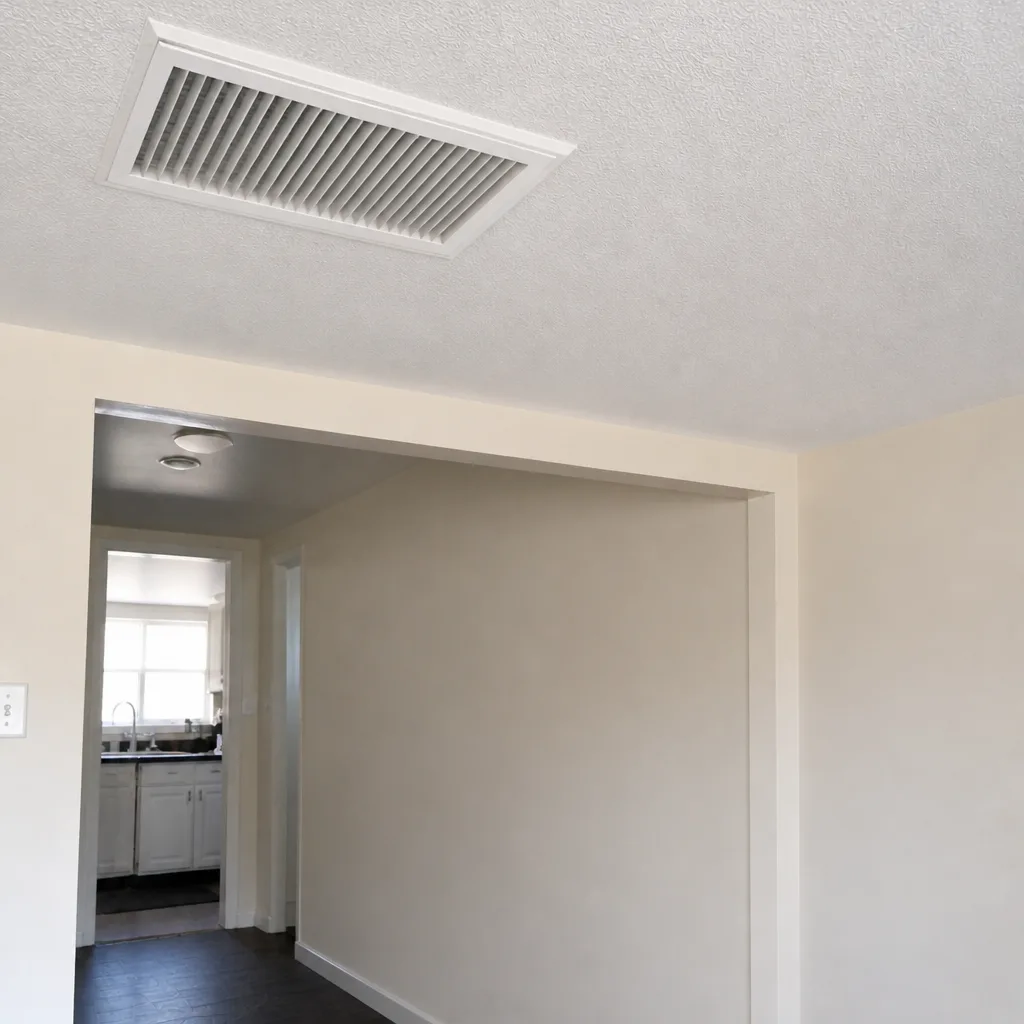 After
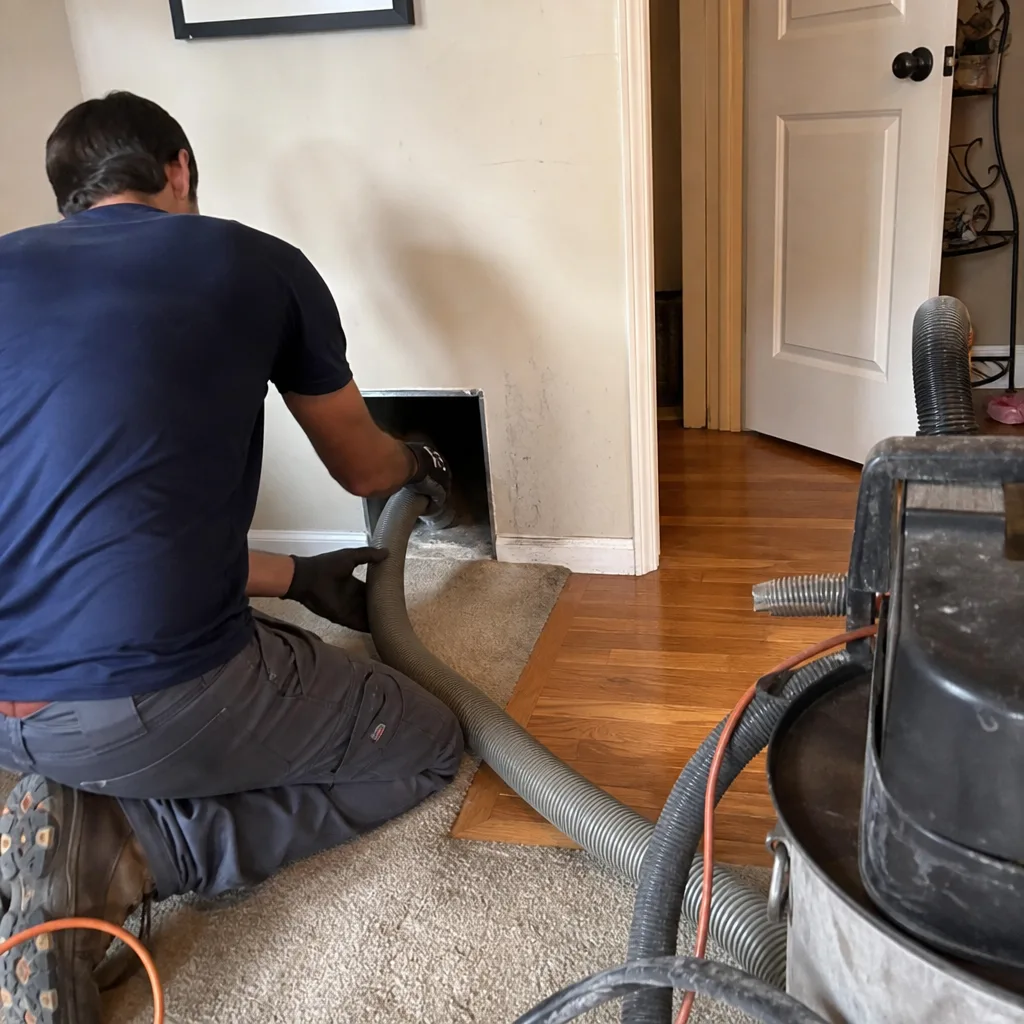 Before
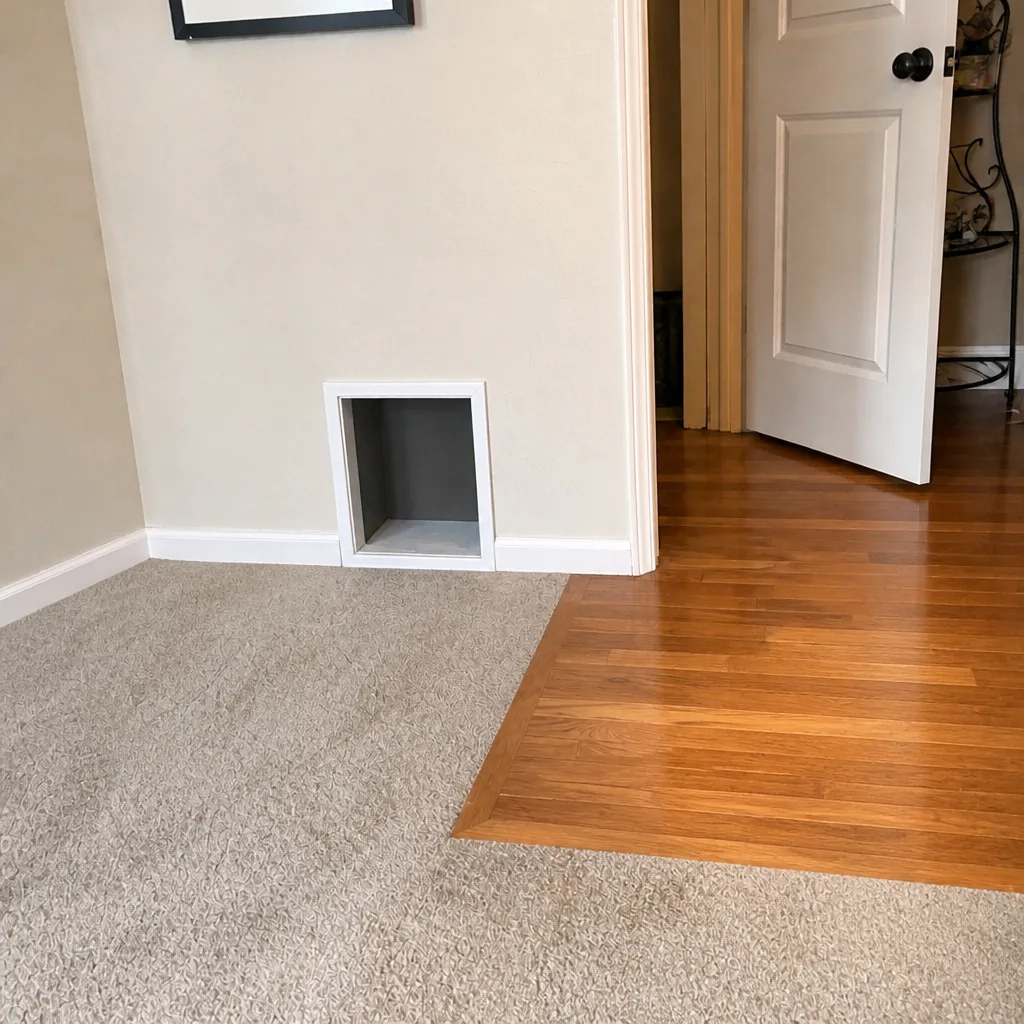 After
When to Call a Professional
Call a professional when the dust goes past the register boot, when there’s any musty smell in the airstream, when you see mold growth anywhere in the system, or when it’s been years since the ducts were cleaned and you don’t know the history of the house. Also call if the system has uneven airflow, since that’s usually a duct problem rather than a dirt problem, and cleaning alone won’t fix it. A trained eye inside the system finds those issues because the ducts are open during the service. Air Duct Cleaning Northgate offers free estimates in Northgate – call (877) 492-3448. We answer 24/7. Fast dispatch from 7am to 7pm, Sunday through Friday. Estimates are free and the price is set per job by the written estimate. Our technicians have up to 9 years of experience.
Frequently Asked Questions
No, a shop vac cannot clean a duct system. It can clean the register cover and reach maybe a foot into the boot, but it doesn’t generate the sustained airflow needed to pull debris out of the full run. Doing it anyway tends to move debris deeper into the system rather than removing it. Call (877) 492-3448 for an exact quote on a proper system clean – estimates are free.
Pricing is set per system by a written estimate rather than by the vent, so the number depends on the size and complexity of your duct network. Ask for a flat, written price before work starts and ask exactly what’s included. Call (877) 492-3448 for an exact quote – estimates are free.
Low quotes usually come down to a narrower scope, add-ons once the technician arrives, or equipment that only reaches part of the system. A per-vent price can grow quickly once the house is measured. Ask what equipment is used, whether extraction runs the whole time, and whether the price can change on site. Call (877) 492-3448 for a flat quote – estimates are free.
Ask for before-and-after photos of your own ducts, not stock images. Those photos should show the interior of the actual runs being cleaned. A technician who can’t produce them hasn’t shown you the work. Call (877) 492-3448 to book a system clean with visible proof – estimates are free.
Most homes do well with a full system clean every few years, with DIY register cleaning and filter changes in between. Homes with pets, recent remodels, allergy concerns, or ducts in damp unconditioned spaces may need it more often. Watch for the signs rather than the calendar. Call (877) 492-3448 for a free estimate and an honest read on your system.
Not usually dangerous, but it can damage flex duct liners, disturb attic insulation, and spread mold if the duct interior is contaminated. The bigger cost is spending time and money on tools that don’t solve the actual problem. If the system smells musty or you see mold, stop and get it assessed. Call (877) 492-3448 – estimates are free.
The Bottom Line
The DIY versus professional decision comes down to capability, not effort. A shop vac and a brush can maintain the surfaces you can see, and doing that well is worth the time. But full-system cleaning demands sustained negative pressure and rotary agitation that consumer tools can’t deliver, and without it the debris goes deeper instead of out. For a Northgate homeowner, the honest split is this: do the register cleaning and filter changes yourself, and call a professional when the dust goes past the boot, the smell persists, or it’s simply been too long. If that describes your system, call (877) 492-3448 for a free estimate. We answer 24/7. Fast dispatch from 7am to 7pm, Sunday through Friday. One visit, one flat price agreed before work starts, and before-and-after photos of your own ducts when we’re done.
Written by the team at Air Duct Cleaning Northgate.