
Last updated November 22, 2026
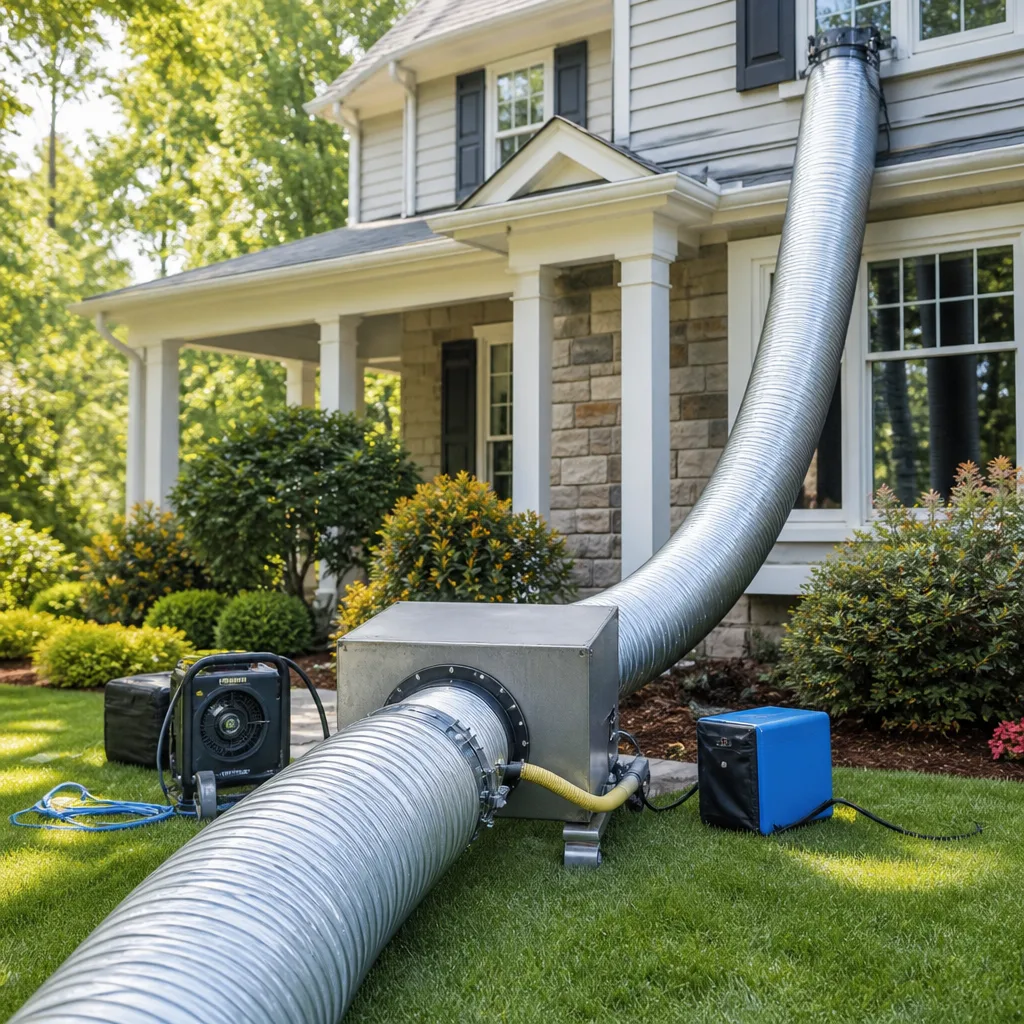 Whole-home duct cleaning
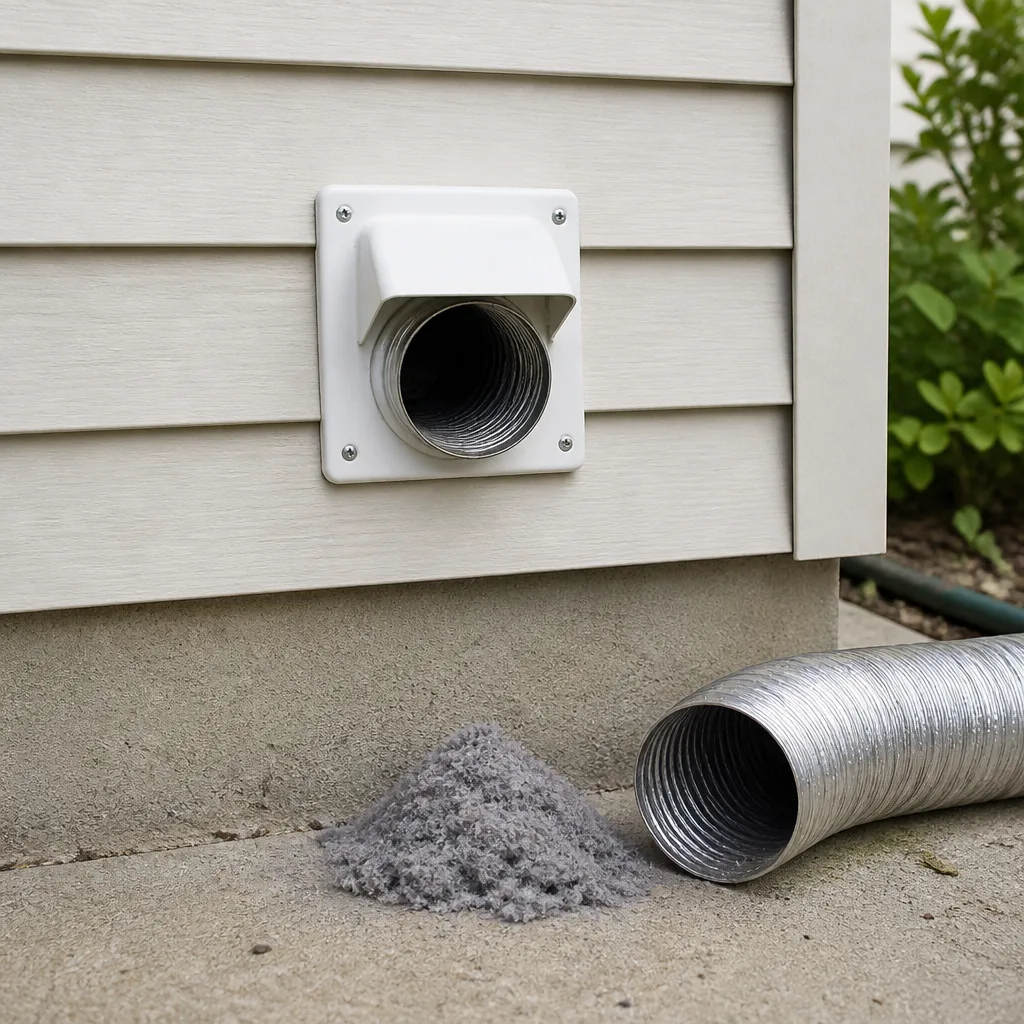 Dryer vent cleaning
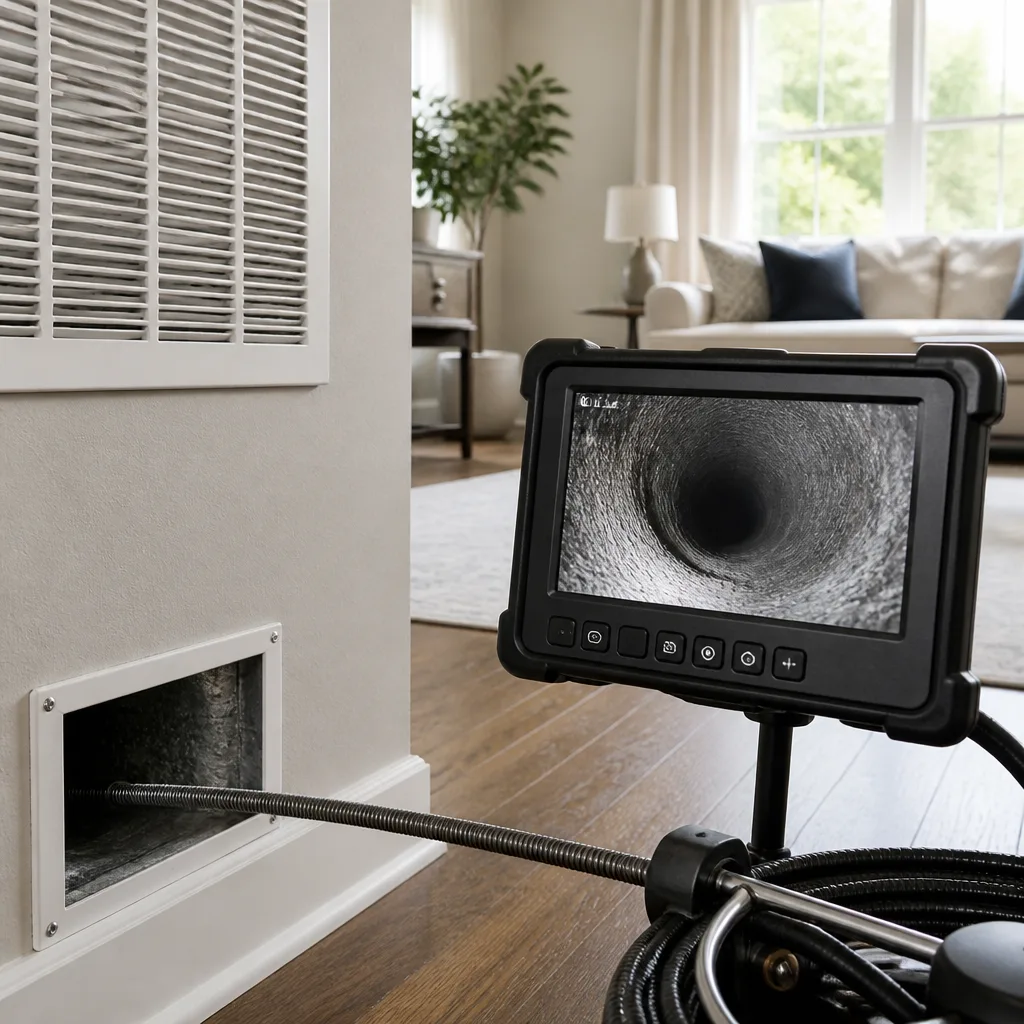 Camera inspection
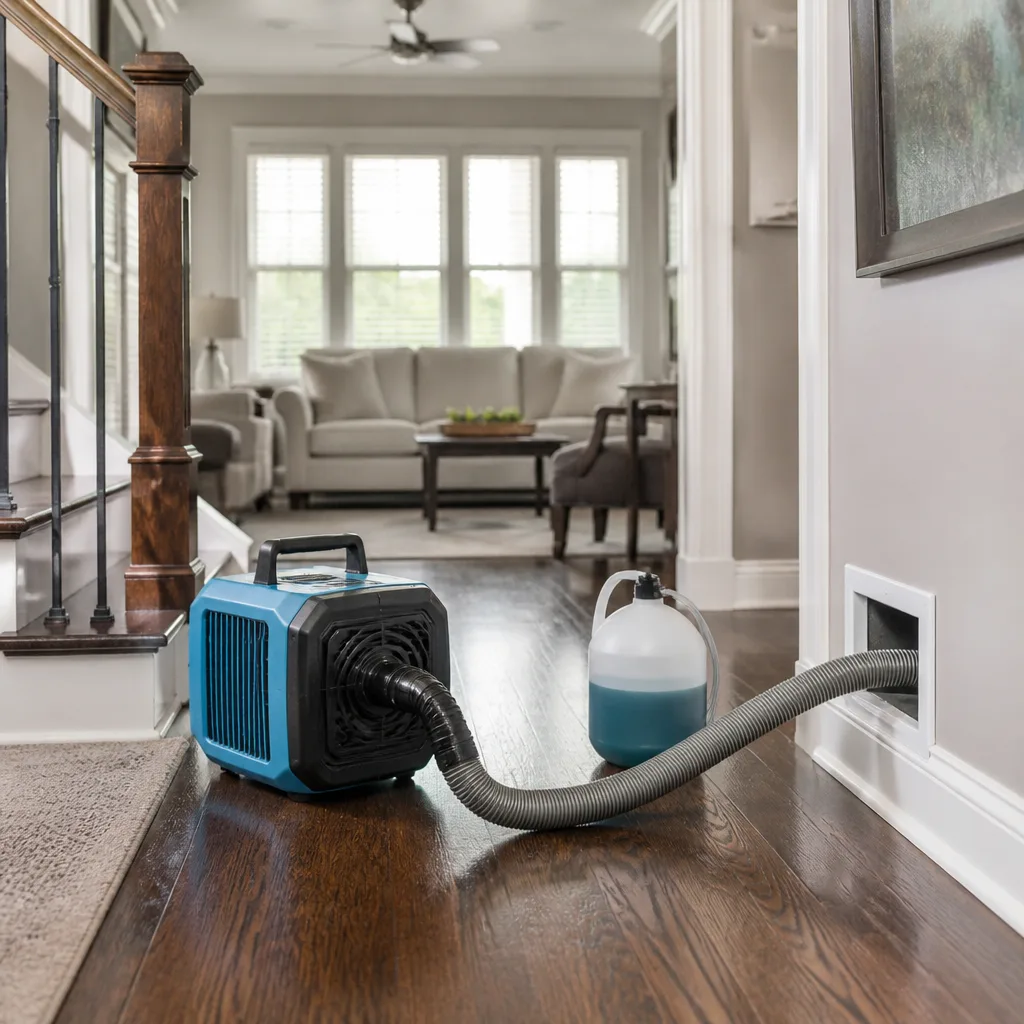 Sanitizing & deodorizing
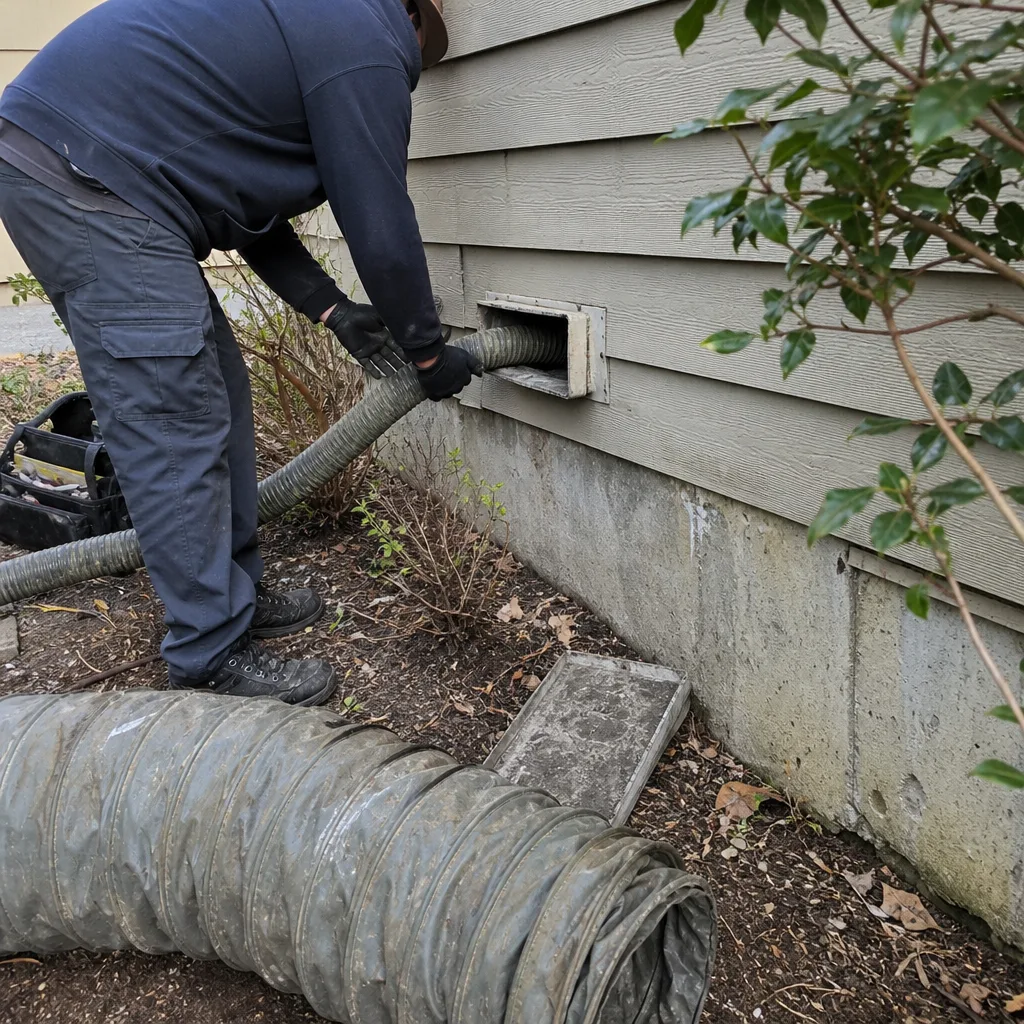
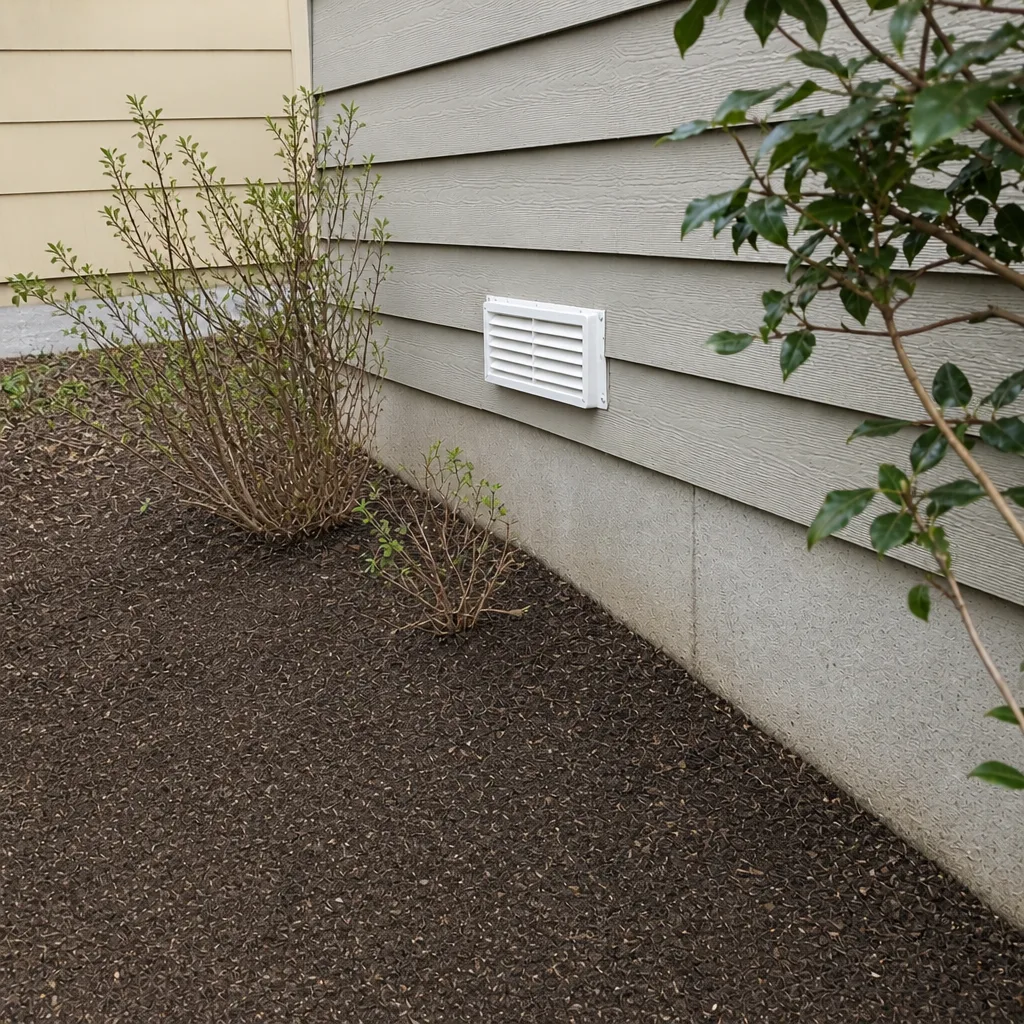
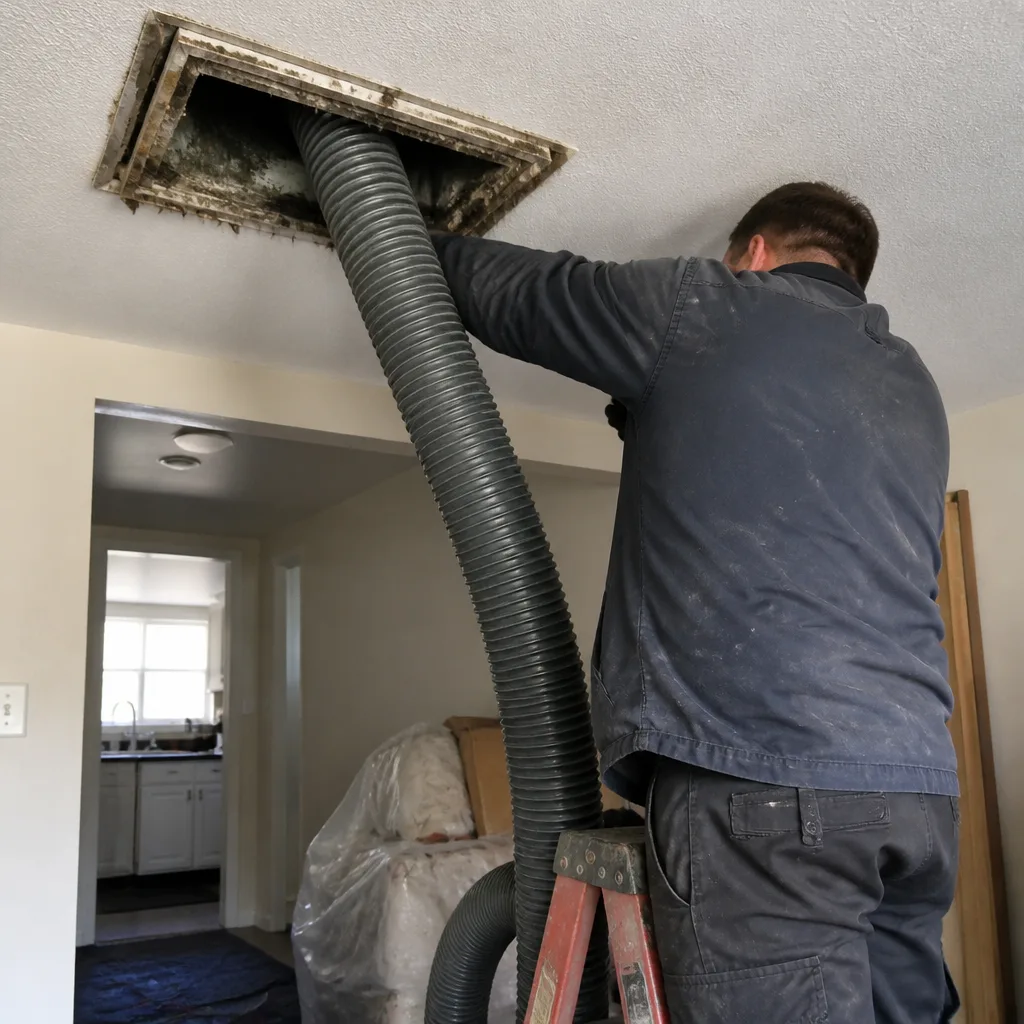
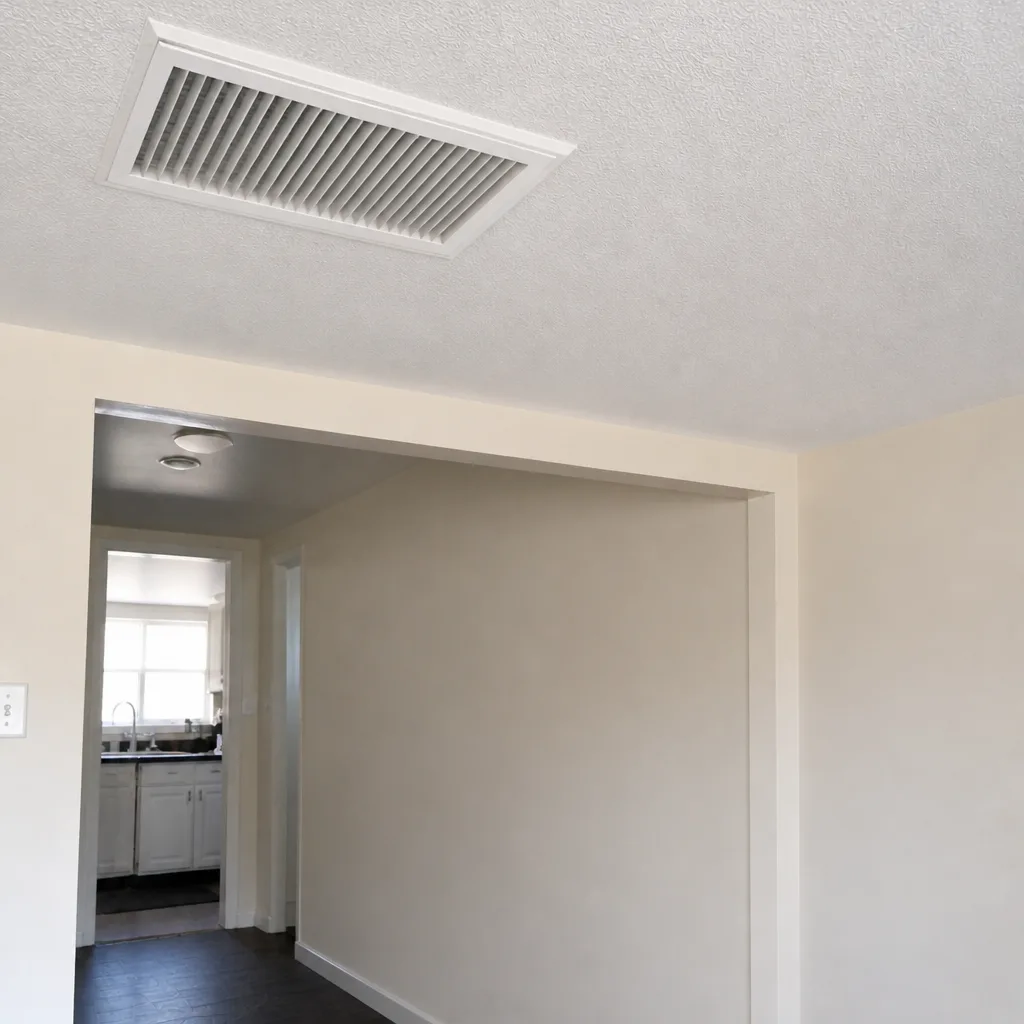
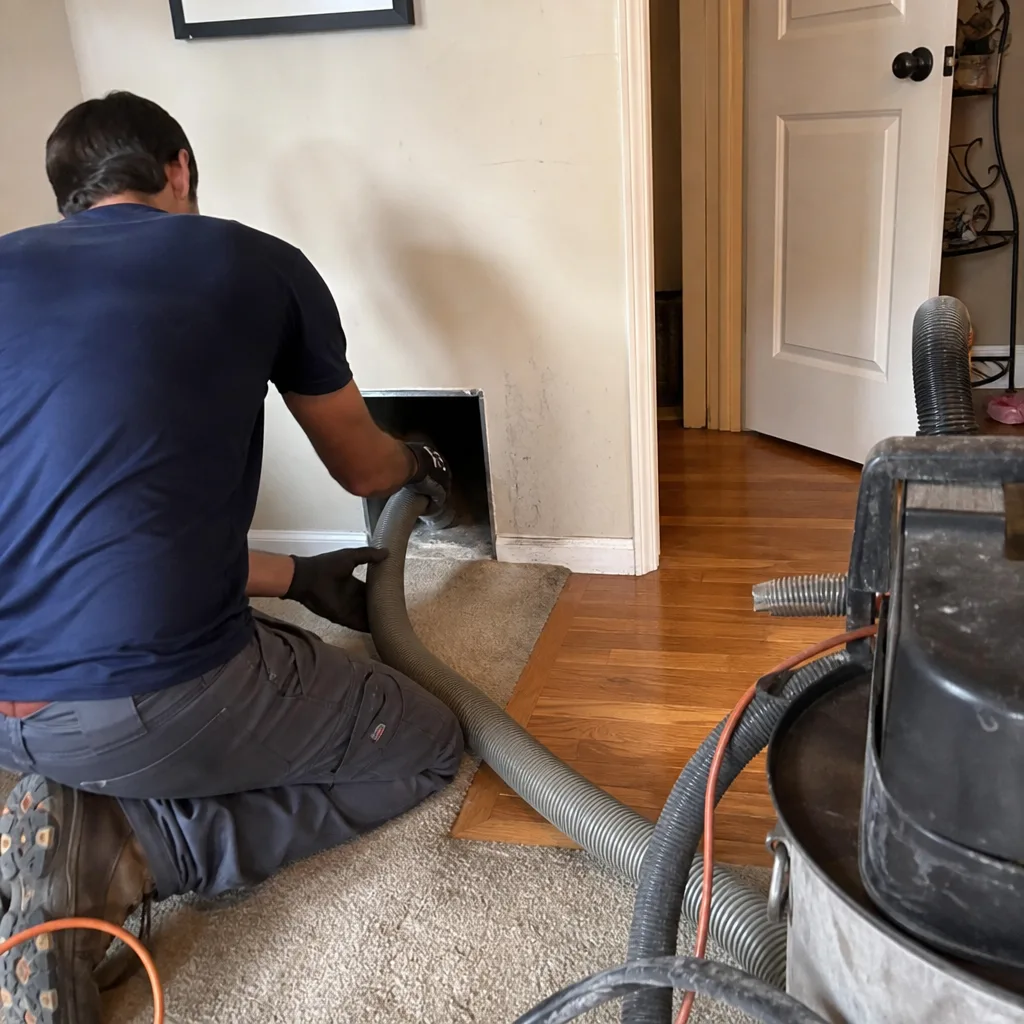
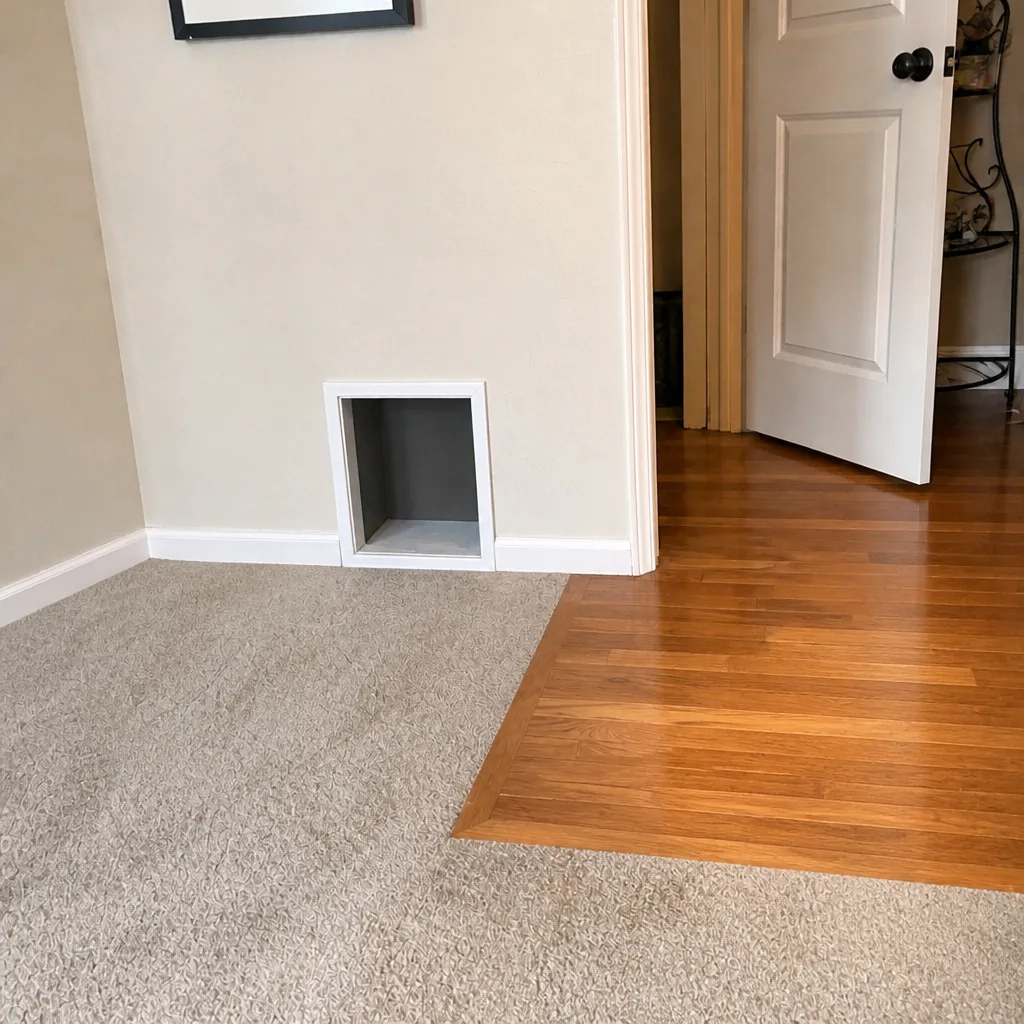
Whole-system duct and dryer vent check with before-and-after photos - you see exactly what came out of your vents
That "$99 whole-house special" is a bait ad - the real number appears once they are in your hallway, or the "clean" is a shop-vac at the register. We photograph the inside of your ducts before and after instead.
Seasonal Air Duct Cleaning Care for Northgate: Year-Round Homeowner’s Guide
Wildfire smoke in August and mold-favorable humidity in November are not the same indoor air problem, and they don’t have the same duct solution. Most homeowners treat duct cleaning as a once-a-year checkbox, usually in spring or fall, which means the system gets serviced for one season’s stress and ignored for the other three. In Northgate, that gap is wider than most places because the climate here switches hard: wet winters, dry smoky summers, and a heavy spring pollen load that arrives fast and lingers.
This guide breaks the year into four distinct duct stress periods and explains the right maintenance response for each one. You’ll learn how pollen moves through return air paths, why filter ratings matter more in smoke season, when a pre-heating-season inspection catches the most debris, and how Northgate’s older housing stock handles condensation through the long heating months. Time your cleaning against these cycles and you’ll get longer intervals between services instead of shorter ones.
Quick Answer
Seasonal air duct cleaning in Northgate works best as four smaller, well-timed services rather than one annual deep clean. Book a pollen-season assessment in spring, pay attention to filtration during smoke season in late summer, get a pre-heating-season inspection in fall before debris recirculates all winter, and watch for condensation and mold risk in winter’s long heating cycles. A professional whole-system clean with mechanical agitation and negative-air extraction, combined with duct sealing where leaks exist, is the baseline that makes the other three seasonal responses work.
Styles & brands we work with
- Whole-home duct cleaning
- Dryer vent cleaning
- Camera inspection
- Sanitizing & deodorizing
Table of Contents
- Why Northgate’s Climate Creates Four Duct Stress Periods
- Spring: Pollen Infiltration and Return Air Paths
- Summer: Wildfire Smoke and Why Filter Ratings Matter
- Fall: Pre-Heating-Season Inspection Timing
- Winter: Condensation and Mold Risk in Older Housing
- How to Time Professional Cleaning Against the Cycle
- What a Full-System Clean Actually Involves
- Common Mistakes to Avoid
- When to Call a Professional
- Frequently Asked Questions
Why Northgate’s Climate Creates Four Duct Stress Periods
Northgate sits in a climate that doesn’t ease your HVAC system in gradually. Winter brings wet, damp air and extended heating runs. Spring delivers a concentrated pollen load from the surrounding tree canopy. Summer dries out and, in recent years, brings smoke events that push fine particulate through every crack and return vent a house has. Fall is the pivot point where all that summer debris either gets cleared out or gets pulled back into circulation for five or six months of heating.
Each period stresses the duct system in a different way, and each one responds to a different intervention. That’s the core reason a single annual cleaning misses the actual risk curve in Northgate. If you clean in May, you’re ready for pollen and somewhat ready for smoke, but the ducts accumulate a full season of fine particulate before heating starts. If you clean in October, you catch the summer debris but you’ve already pulled three months of pollen through the system without addressing the source paths.
Think of it this way. Ducts are the lungs of the house, and like any set of lungs they process whatever’s in the air around them. In a climate with four distinct air-quality seasons, the maintenance rhythm should match. That’s what the rest of this guide is about: not a rigid calendar, but a set of triggers tied to real conditions in Northgate.
One more point on housing stock. Much of Northgate’s residential inventory was built in the mid-twentieth century, before today’s tighter envelope standards and before modern duct design. Those homes often have duct runs that were sized for a different era of HVAC equipment, with more seams and joints than a newer build. More seams means more places for pollen, dust, and moisture to settle and more places for leaks to reopen after cleaning. When we inspect a duct system in Northgate, this is the first thing we look at.
Spring: Pollen Infiltration and Return Air Paths
Spring in Northgate is a pollen event, not a gradual warm-up. Trees release pollen in a compressed window, and the concentration in the air outside a home can climb fast. Your HVAC system does two things during that window: it brings outdoor air in through whatever infiltration paths exist, and it circulates that air through the return duct system before pushing it back out through supply registers.
Return air paths are the part most homeowners don’t think about. The return side of the system operates under negative pressure, which means it’s actively pulling air in from the surrounding space. If return ducts have leaks at seams, joints, or the plenum connection, they’re pulling air from wall cavities, crawl spaces, and attics instead of from the rooms they’re supposed to serve. In spring, that means pulling pollen-laden air from places you don’t want it.
Here’s the spring checklist we recommend for Northgate homes:
- Inspect the filter and change it early. Don’t wait for the calendar. When you can see visible gray buildup on the filter face, it’s loaded. Pollen season loads filters faster than the label suggests in this climate.
- Check that return registers aren’t obstructed. Furniture, rugs, and storage can block return airflow, which increases the negative pressure and pulls harder on the seams.
- Look at the return plenum connection at the air handler. This is the most common leak point we find on spring inspections. A visible gap or separated tape is a sign that unfiltered air is coming in downstream of the filter.
- Book a spring assessment if it’s been more than two years. A camera inspection of the return trunk line tells you whether pollen and dust have settled into the ducts or whether the filter has been doing its job.
Air Duct Cleaning Northgate uses a camera-assisted inspection to see inside the ducts before recommending a clean. If the return path looks clear, we’ll tell you that and you save the money. If it’s loaded, we know exactly where the buildup is before we start.
On the filtration side, spring is when many Northgate homeowners upgrade to a media filter cabinet from Honeywell or Aprilaire. A thicker media filter holds more pollen without choking airflow the way a high-MERV 1-inch filter can. If you’re currently running a basic fiberglass filter through pollen season, that’s the first change to consider.
Summer: Wildfire Smoke and Why Filter Ratings Matter
Summer in Northgate is dry, and dry summers in this region now bring smoke events with some regularity. Wildfire smoke isn’t the same problem as pollen, and it doesn’t respond to the same filtration. Smoke particles in the fine and ultrafine range (the PM2.5 category and smaller) are small enough to pass through many standard filters and to settle deep into duct surfaces where a light vacuum won’t reach them.
This is where MERV ratings actually matter, and where the difference between filter labels stops being abstract. A MERV 8 filter catches larger particles well but isn’t designed for the fine smoke fraction. A MERV 11 or 13 filter is a much better match for smoke season, but only if your system can handle the added pressure drop without starving airflow. That’s a real consideration in Northgate’s older homes where duct runs are often undersized by modern standards.
The right sequence in smoke season:
- Close windows and run the system on recirculation. Don’t introduce outdoor air intentionally during a smoke event.
- Run the fan continuously during heavy smoke days. Continuous filtration does more than intermittent cycling.
- Match the filter to the system. Upgrade to the highest MERV your equipment can actually move air through. If you’re not sure, a technician can check static pressure before you buy a filter.
- Clean after the smoke event, not during it. Cleaning ducts while smoke is still in the air is wasted work. Schedule the clean once the smoke clears and the particles have settled.
- Consider a dedicated air quality step. Our air duct cleaning process removes the settled particulate; sanitizing addresses the surfaces left behind. Both matter after a heavy smoke event.
For smoke, the settling happens through the return path just like pollen, but the particles are finer and often stick to duct surfaces rather than blowing through. A mechanical agitation step (we use Rotobrush) is what loosens that film, and negative-air extraction is what carries it out. A blow-and-go service that only uses air pressure can actually redistribute fine smoke particles into the living space, which is the opposite of what you want.
Fall: Pre-Heating-Season Inspection Timing
Fall is the most consequential window in the Northgate annual cycle, and it’s the one most homeowners miss. Here’s why: whatever accumulates in the ducts during summer either gets cleaned out before heating season or it gets recirculated continuously for the five or six months the furnace runs. Heating season air is the air your system pushes through every room, day after day, and the debris that was fine in August becomes a constant presence by December.
The right time for the fall inspection is when heating season starts but before the system is running constantly. In Northgate, that’s generally late September into October. If you’re on the fence about whether you need a clean, this is when a camera inspection pays for itself: you get a real answer before you’re committed to a full annual cycle of recirculation.
A fall pre-heating-season inspection covers these items:
- Camera inspection of the main trunk and the return plenum for accumulated debris
- Static pressure check to see whether the current filter is a good match for the system
- Seam and joint check on the accessible duct runs (this is where leaks recontaminate the system)
- Air handler cabinet check for debris around the evaporator coil (this is often the actual source of musty odor complaints)
- Dryer vent check, because fall is when most people start running the dryer more often and lint buildup becomes a fire concern
That last point matters. Our dryer vent cleaning is included in our service portfolio for a reason: dryer vent lint is a fire-safety issue, not just an air quality one, and the pre-heating-season window is the natural time to handle it. Fall is when you’re going to be indoors more, running appliances more, and relying on the system to move the air you breathe. Getting everything in one pass is the efficient way to do it.
Fall is also the best window for duct repair and sealing. If a leak is pulling in attic or wall cavity air, sealing it before heating season starts prevents a full run of contaminated air from getting into the system. Cleaning without sealing is only half the job; the seal is what keeps the clean result stable through winter.
Winter: Condensation and Mold Risk in Older Housing
Winter in Northgate brings the longest sustained heating runs of the year, and that changes the duct problem from “debris” to “moisture.” When a heating system runs for weeks without a break, condensation forms wherever warm, moist air meets a cool surface. In older Northgate homes with ducts run through unconditioned spaces (crawl spaces, attics, uninsulated chases), that means the duct exterior can sweat, and interior moisture from cooking, showering, and breathing settles on duct surfaces where it doesn’t dry out.
Mold needs moisture, organic material, and time. Winter in an older home provides all three. The risk isn’t dramatic in most cases, but it’s real, and it builds quietly through the heating season. The sign most homeowners notice first is a musty smell when the heat comes on, or an uptick in allergy symptoms that seems worse in winter than it should be.
Winter priorities in Northgate homes:
- Watch the indoor humidity. A whole-home humidity reading between 30% and 50% is the target range. Above 50% through winter is a recipe for condensation on cool duct surfaces.
- Don’t over-seal the house. Older homes that have been tightened up without adding ventilation can build humidity faster than they can clear it. Running the bath fan and kitchen exhaust longer helps.
- Inspect duct runs through crawl spaces. Look for visible condensation, rust streaks, or darkened insulation on the duct exterior. Those are signs of moisture exposure that need addressing.
- Address musty odor early. A musty smell from the vents is a signal that mold or heavy biological growth is present. This is the point where a basic cleaning isn’t enough and contamination-level treatment is the right move.
- Consider a targeted sanitizing step. Our sanitizing service treats the duct surfaces after cleaning, which is a meaningful step beyond surface cleaning when biological growth is present.
For contamination-level situations, we have Abatement Technologies equipment on hand, which means we can address serious mold and heavy biological growth scenarios that basic cleaners would have to turn away. If you’ve had another company look at your ducts and tell you the problem was too big for them to handle, that’s worth a second look.
How to Time Professional Cleaning Against the Cycle
The single most useful idea in this guide is that timing drives interval efficiency. Clean at the wrong time and you’ll be back on the phone in twelve months. Clean at the right time and the interval stretches out. The best single time to book a professional clean in Northgate is late summer into early fall, after smoke season has cleared and before heating season starts. That’s the clean that does the most work per dollar because it clears the peak-accumulation season and sets you up for the longest run of clean air through winter.
But timing depends on you, not just the calendar. Use these triggers to decide when you actually need a service:
- Visible debris at the registers. If you can see dust or debris on the register face, the ducts behind it are loaded.
- Musty or stale smell from vents. Odor is the strongest signal that biological growth is present or that moisture is accumulating.
- Visible dust streaks from the vents. Dust trails on the wall or ceiling near a supply register mean the air coming out of that vent is carrying particulate.
- Allergy symptoms that spike indoors. If indoor air makes allergy symptoms worse, the ducts are the first thing to inspect.
- Recent renovation, smoke event, or pest activity. Any of these introduces debris that a clean-and-inspect resolves.
- More than two years since the last professional service. Even in a clean home, Northgate’s four-season climate loads the system faster than a stable climate would.
If you want a rough rhythm rather than hard triggers, aim for a spring assessment, a late-summer clean if needed, and a fall pre-heating inspection. Sanitizing and duct sealing slot in wherever the inspection calls for them. That’s a schedule that matches the climate, not a generic annual calendar.
What a Full-System Clean Actually Involves
A full-system clean is more than pulling a vacuum to the return register. The process we use at Air Duct Cleaning Northgate combines two methods that address different parts of the problem, and understanding why each matters helps you recognize a real clean versus a surface one.
Step 1: Inspection. A camera survey of the duct system maps the buildup before any work starts. It also catches leaks, disconnected runs, and moisture problems you may not know about.
Step 2: Mechanical agitation. We use Rotobrush equipment to agitate the duct surfaces. This loosens the film and settled particulate that a pressure-only service leaves in place. Rotobrush is one of the most recognized names in professional duct cleaning for good reason: it reaches surfaces that air alone can’t.
Step 3: Negative-air extraction. While the duct surfaces are being agitated, Nikro negative-air equipment holds the system under controlled negative pressure and pulls the loosened material out of the ducts rather than into the living space. Without this step, mechanical agitation can actually increase indoor particulate, which is the opposite of what you want.
Step 4: Sealing and repair where needed. Duct leaks are the reason a clean result doesn’t stay clean. Our duct repair and sealing service closes the gaps at the seams and joints so the system stops pulling in outside air. This is in-house, so you don’t hire a second contractor.
Step 5: Sanitizing where indicated. If the inspection found biological growth or heavy contamination, sanitizing treats the duct surfaces as a standalone step. For contamination-level situations, we have Abatement Technologies equipment to handle scenarios that a standard cleaner can’t.
The other service that fits the full-system picture is HVAC cleaning, which addresses the air handler and coil rather than the ducts alone. Much of the dust and odor trouble in Northgate starts at the coil or the air handler cabinet, not inside the ducts. A duct-only clean leaves that problem in place.
For whole-home air quality upgrades, our technicians are familiar with Honeywell and Aprilaire products, which means we can advise on filtration and humidity controls as part of the same visit rather than as a separate sales appointment. That’s the practical advantage of a full-system approach: everything connects.
Common Mistakes to Avoid
- Cleaning once a year on a fixed calendar. Northgate’s four-season climate doesn’t fit a single-annual-clean model. A spring clean misses the summer smoke accumulation; an October clean misses the pollen load. Time the work to the actual stress periods.
- Skipping the pre-heating-season inspection. This is the biggest miss in Northgate homes, and it’s not obvious. If you clean in May and don’t inspect in fall, you’re likely recirculating three months of debris through the entire winter.
- Choosing a service based on the lowest advertised number. Bait-and-switch pricing in this industry is real: a low teaser price that becomes a much larger invoice once the technician is on site. Ask for one flat price per system, agreed before work starts, and expect to see it in a written estimate.
- Skipping the seal because the clean “looked thorough.” Cleaning without sealing closes the gaps that let new debris in, and those gaps are often what caused the buildup in the first place. A clean without a seal is a partial job.
- Running a high-MERV filter in an older system without checking static pressure. In Northgate’s older homes, duct runs were often sized for lower-filter systems. A high-MERV 1-inch filter can starve the system of airflow and cost more in efficiency than it saves in filtration.
- Ignoring a musty odor after a winter heating season. Musty smell is one of the clearest signs that biological growth is present. Treating it as “typical old house smell” lets a small problem build.
- Letting dryer vent lint go unchecked. Dryer vent lint is a fire concern, not just a duct-cleanliness one. It’s often overlooked because it’s not part of the HVAC system and it’s easy to forget.
When to Call a Professional
Call a professional when you notice any of the following: visible dust trails at the supply registers, a musty or stale smell when the heat or AC runs, allergy symptoms that spike indoors, uneven airflow between rooms, or it’s been more than two years since the last service. Also call if you’ve had a recent renovation, a smoke event, or pest activity in the ducts. Any of these is a signal that a camera inspection will pay for itself, whether the answer is “clean it now” or “you’re fine for another season.”
If you’ve had another company tell you your mold problem is too big, or quote a low price that climbed once a technician was on site, we’re worth a call. One flat price per system agreed before work starts, before-and-after photos of your own ducts, and one visit for the whole system including the seal. Air Duct Cleaning Northgate offers free estimates in Northgate – call (877) 492-3448. We answer 24/7. Fast dispatch from 7am to 7pm, Sunday through Friday.
Frequently Asked Questions
Most Northgate homes do best on a clean every two to three years with a seasonal inspection in between, not the once-a-year schedule some companies push. Homes with pets, recent renovation, allergy sufferers, or heavy summer smoke exposure often need it closer to the two-year mark. The right answer depends on what a camera inspection actually sees, not on a marketing calendar. Call (877) 492-3448 for a free estimate and an honest read on your interval.
Low quoted prices typically cover a quick pass with a shop vac or a pressure-only “blow-and-go” service, which can actually push fine particulate into the living space rather than removing it. A real full-system clean involves camera inspection, mechanical agitation, and negative-air extraction, which takes longer and costs more to do properly. The right comparison isn’t “what lowers the ticket,” it’s “what actually removes the contamination.” Ask for one flat price per system, in writing, agreed before work starts. Call (877) 492-3448 for that quote.
Ask for before-and-after photos of your own ducts, not stock images. A camera inspection gives you a real look at the condition before and after the clean. If the technician can’t show you the evidence, you don’t have a way to verify the work. Air Duct Cleaning Northgate provides before-and-after photos of your system as part of every service. Call (877) 492-3448 to schedule a free estimate.
Yes, once the smoke event has passed. Cleaning during a smoke event is wasted work because new particles are still arriving. After the air clears, a full-system clean with mechanical agitation and negative-air extraction removes the settled fine particulate, and sanitizing addresses the surfaces left behind. A follow-up filter change and, if the system supports it, a MERV 11 to 13 filter for future smoke seasons makes a real difference. Call (877) 492-3448 to schedule after the next smoke event clears.
It can, mainly in homes where ducts run through unconditioned crawl spaces or attics. Long heating cycles plus indoor humidity above 50% can create enough condensation on cool duct surfaces to support biological growth. The sign most homeowners notice is a musty smell when the heat comes on. If you’re seeing that, a camera inspection will confirm whether the ducts need cleaning, sanitizing, or both. For heavy contamination, we carry Abatement Technologies equipment for the job. Call (877) 492-3448 for a free estimate.
Yes. Duct repair and sealing is one of our core services, and the sealing work is done in-house on the same visit as the cleaning where the inspection shows leaks. This matters because cleaning without sealing lets the system pull new debris through the same gaps that caused the buildup in the first place. One visit, the whole system. Call (877) 492-3448 for a free estimate in Northgate.
The Bottom Line
Northgate’s climate doesn’t fit a single-annual-clean model, and the four-season breakdown in this guide is what actually works here. Spring is about pollen and return air paths. Summer is about smoke and choosing the right filter for the system. Fall is the window to inspect and clean before the debris recirculates all winter. Winter is about moisture, condensation, and catching biological growth before it builds. Time the service to the stress period and the interval stretches out; ignore the cycle and you’ll be calling again in twelve months. A full-system approach that combines agitation, negative-air extraction, duct sealing, and sanitizing where needed is the baseline. Everything else is a partial job.
Air Duct Cleaning Northgate offers free estimates across Northgate and the surrounding area. Call (877) 492-3448. We answer 24/7. Fast dispatch from 7am to 7pm, Sunday through Friday.
Written by the team at Air Duct Cleaning Northgate.
See the difference
 Before
 After
 Before
 After
 Before
 After