
Last updated November 22, 2026
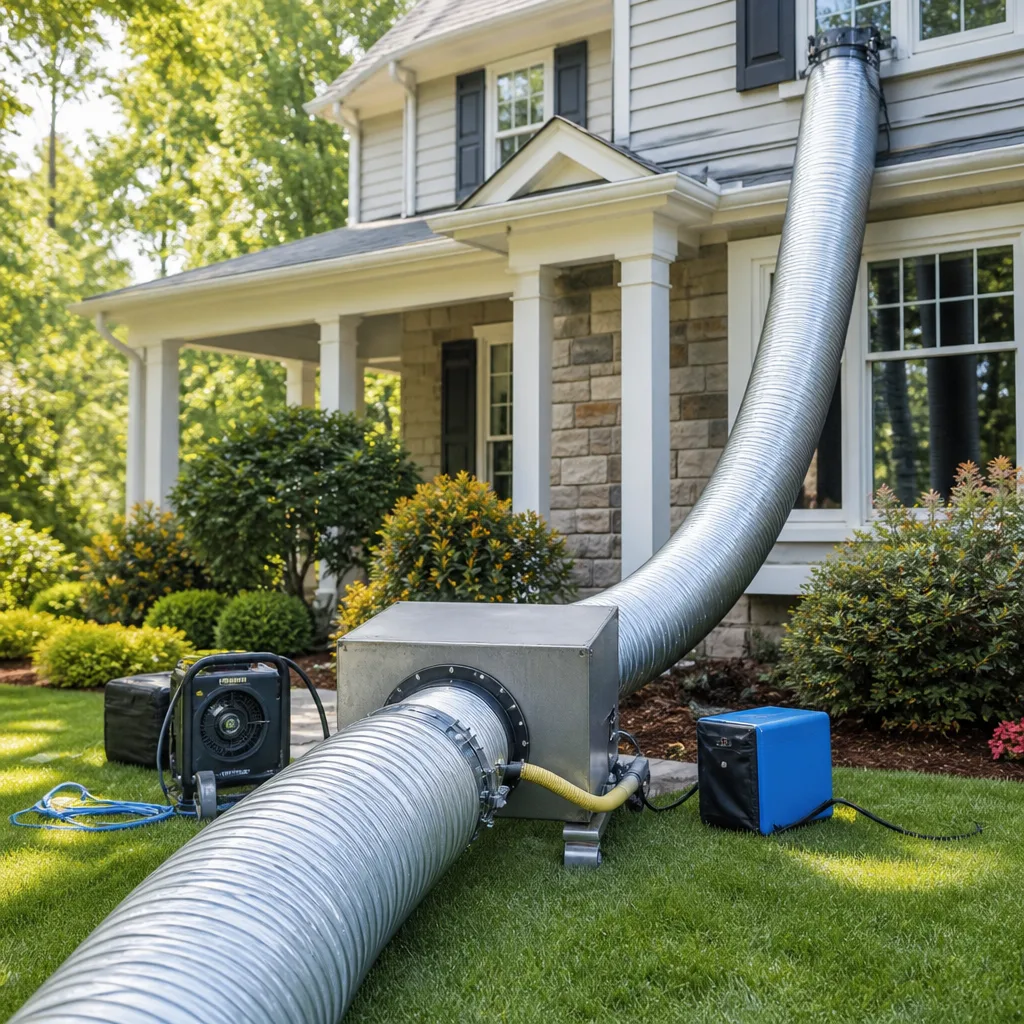 Whole-home duct cleaning
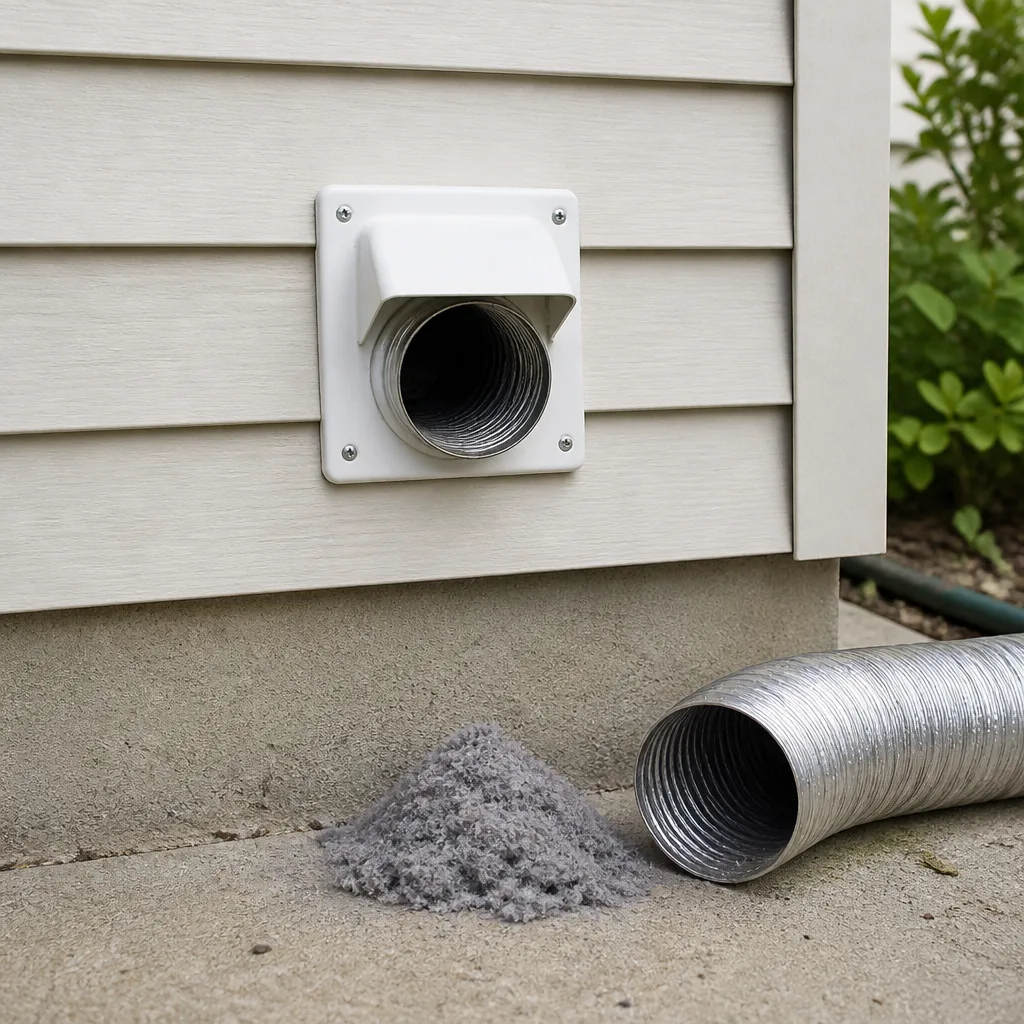 Dryer vent cleaning
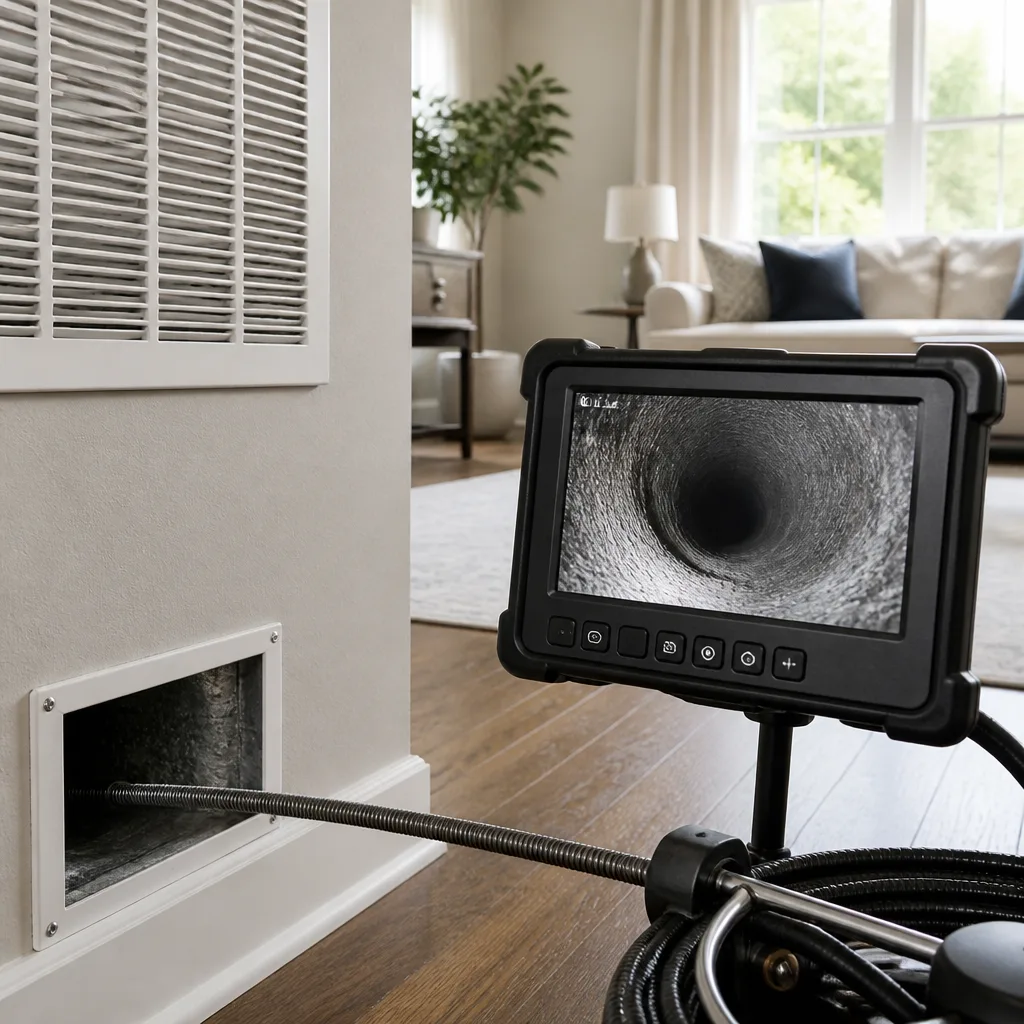 Camera inspection
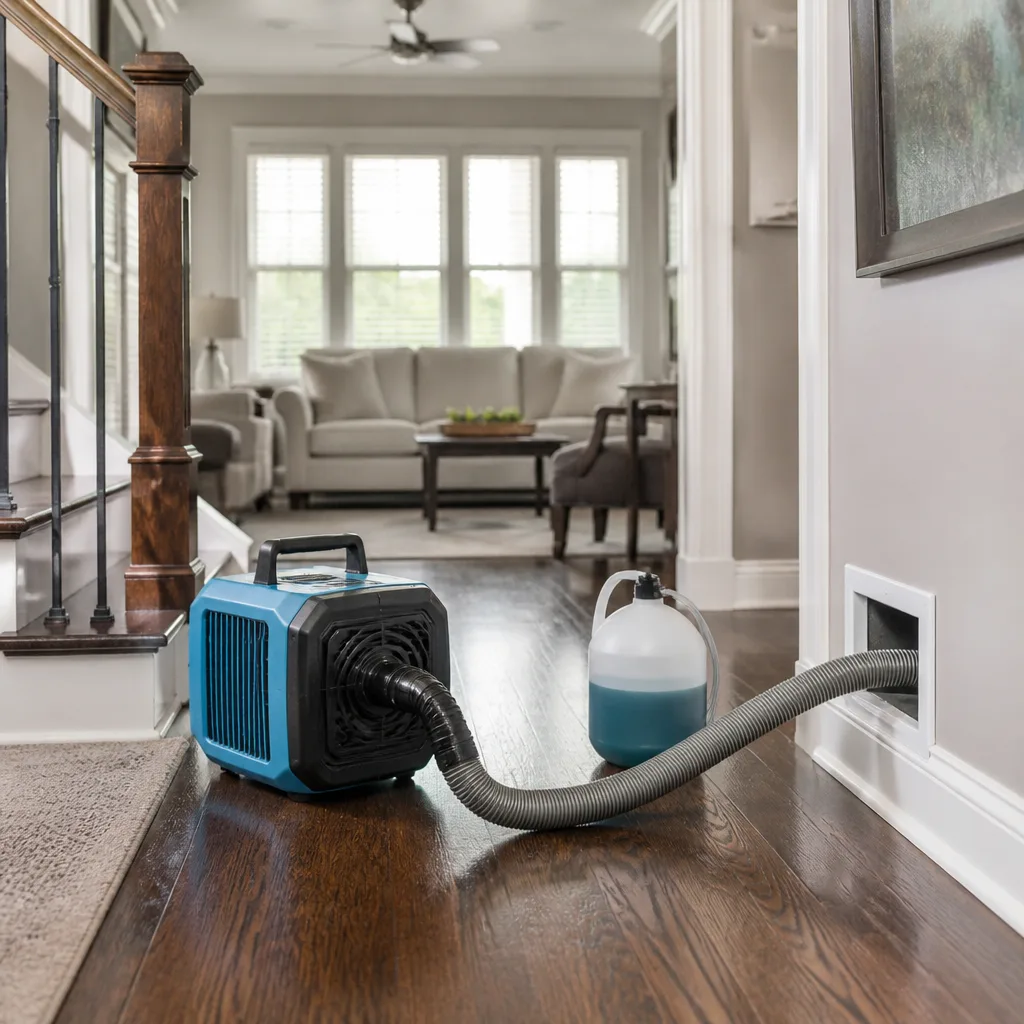 Sanitizing & deodorizing
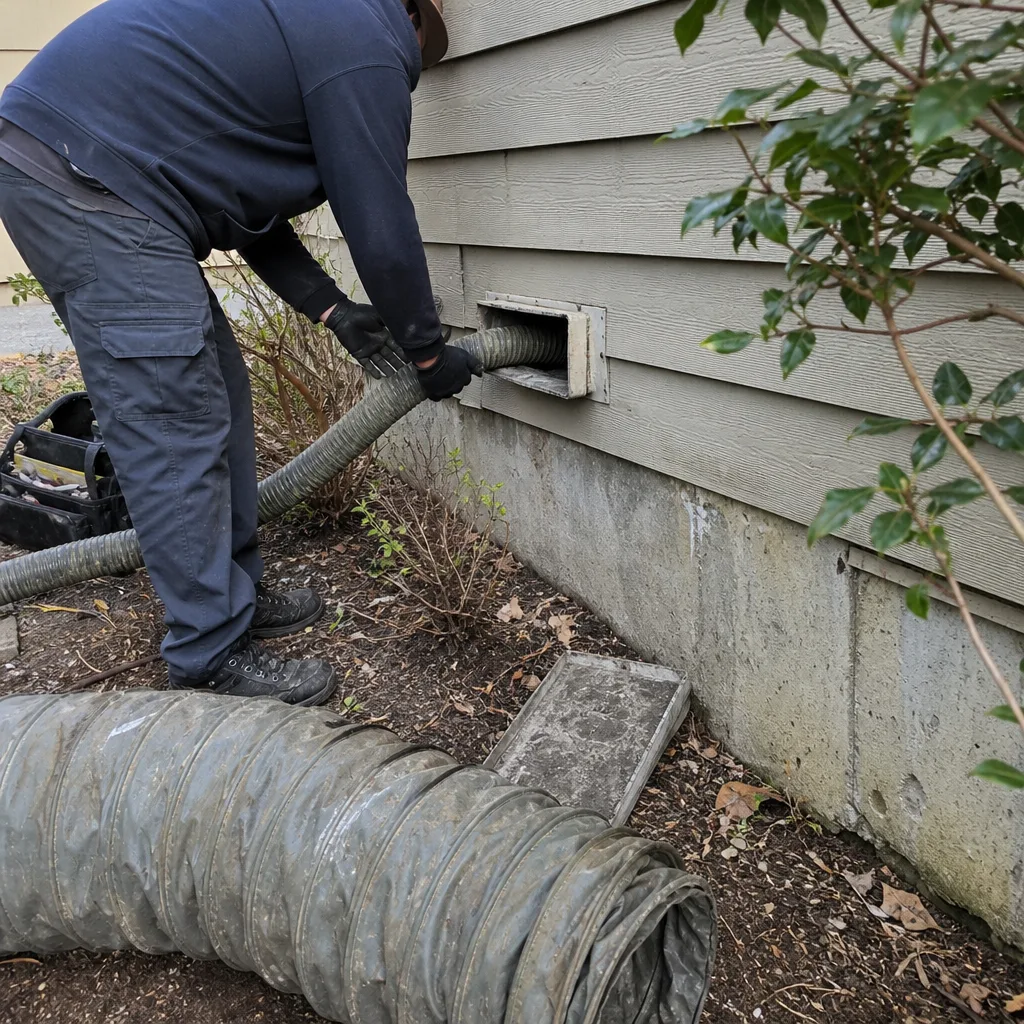
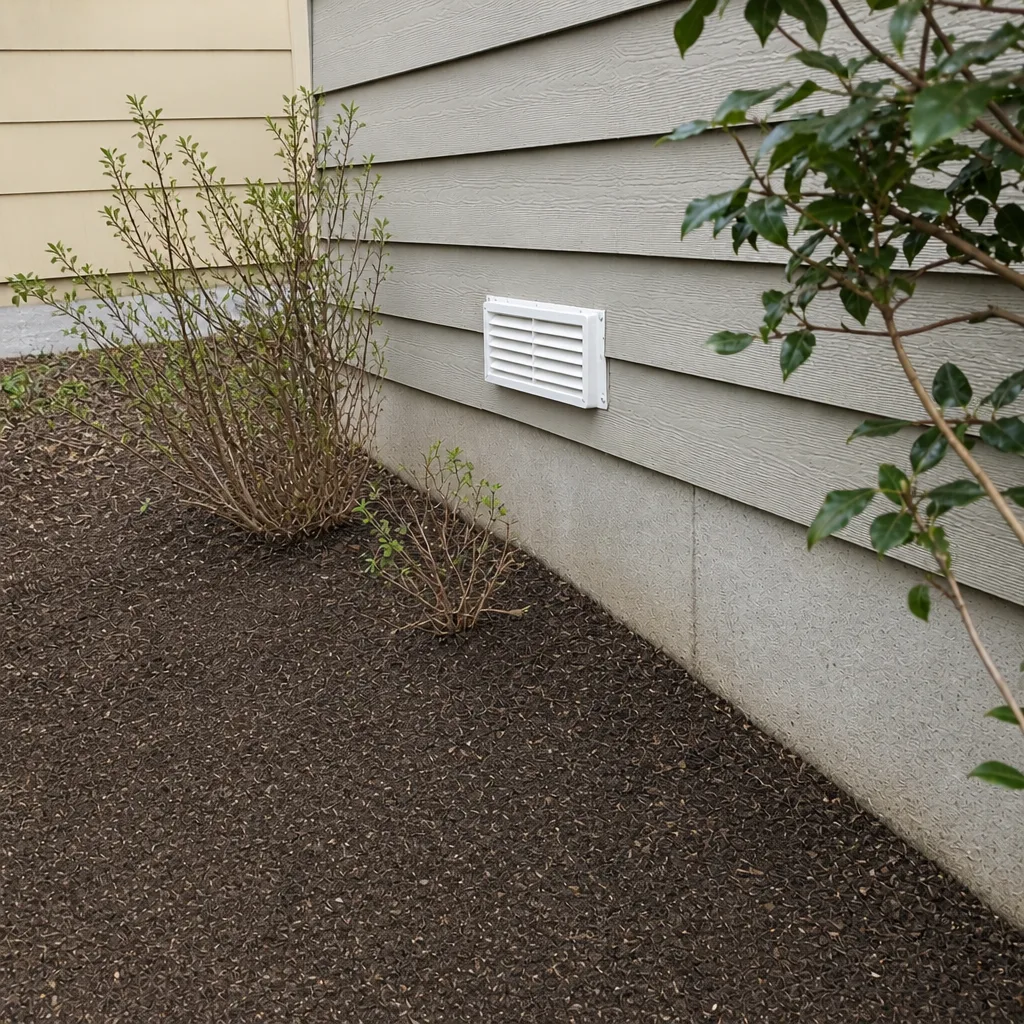
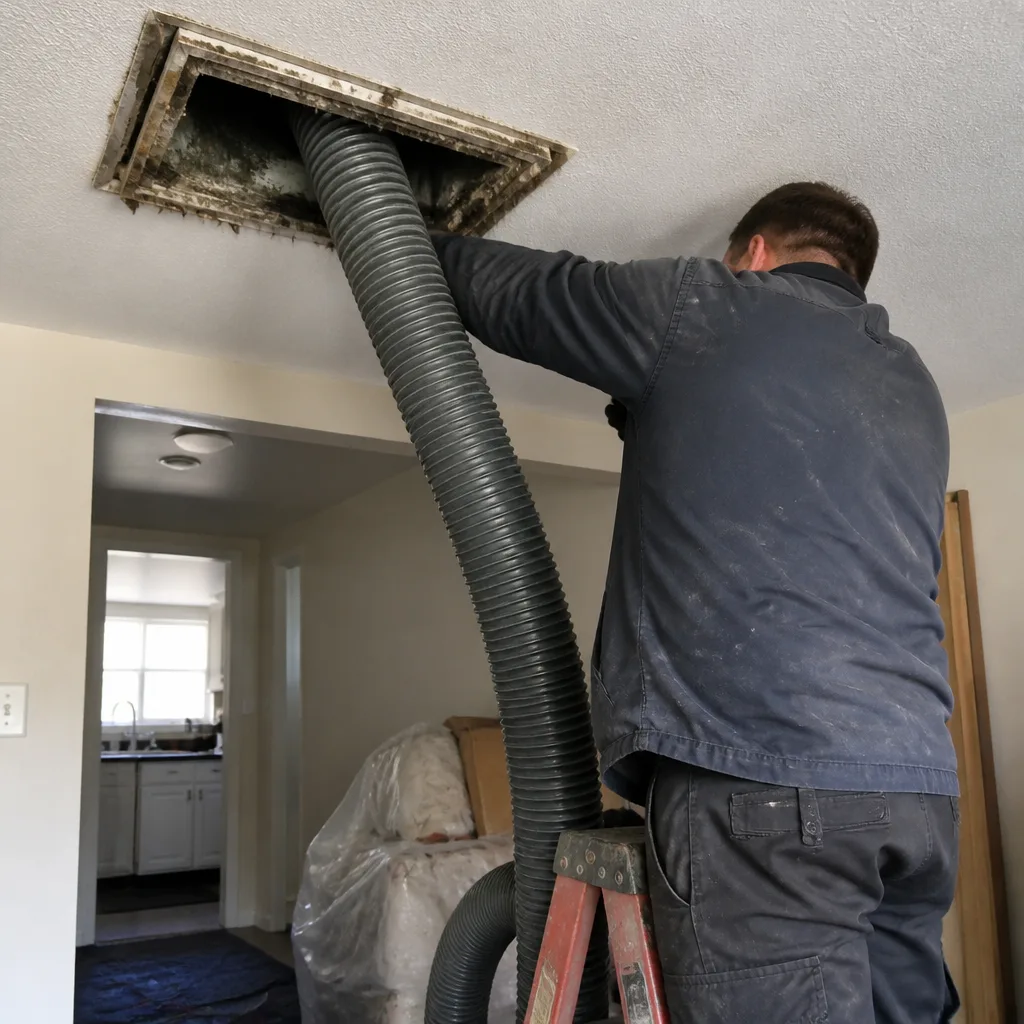
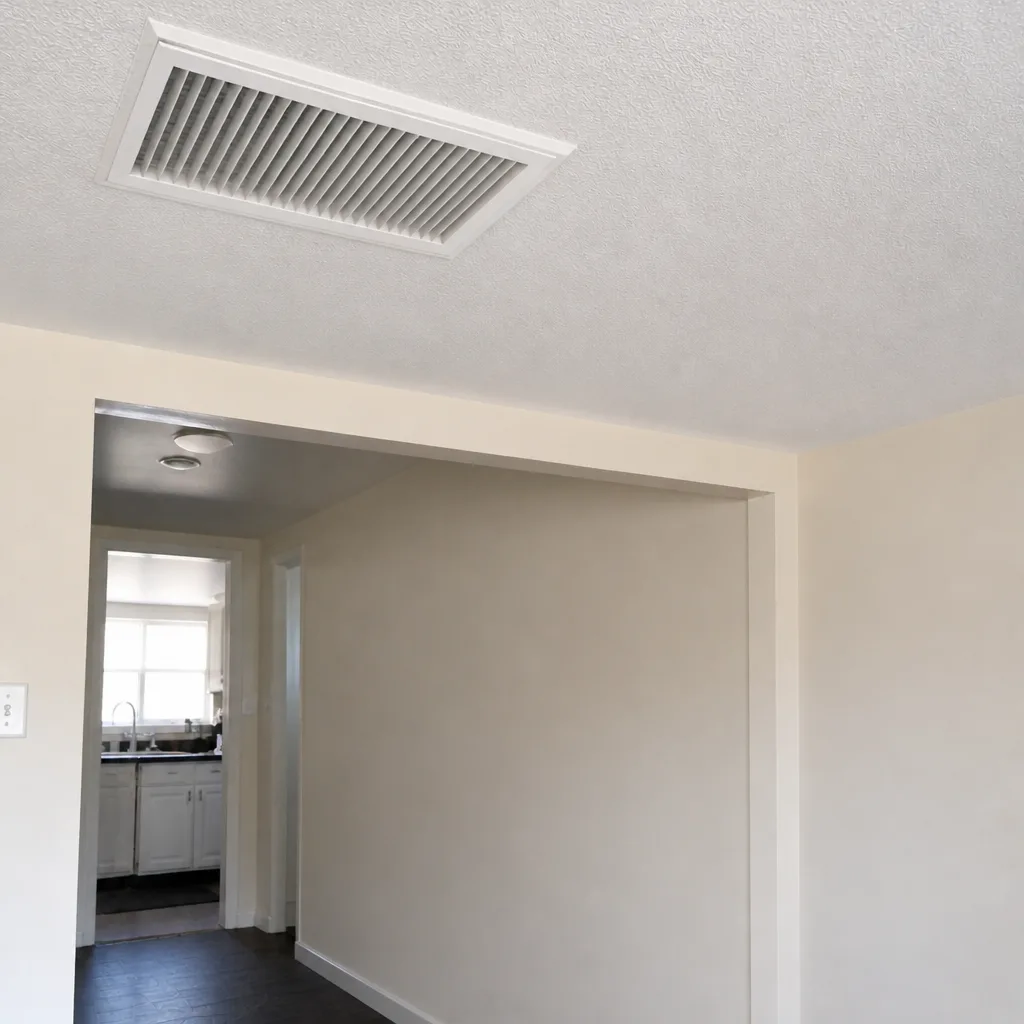
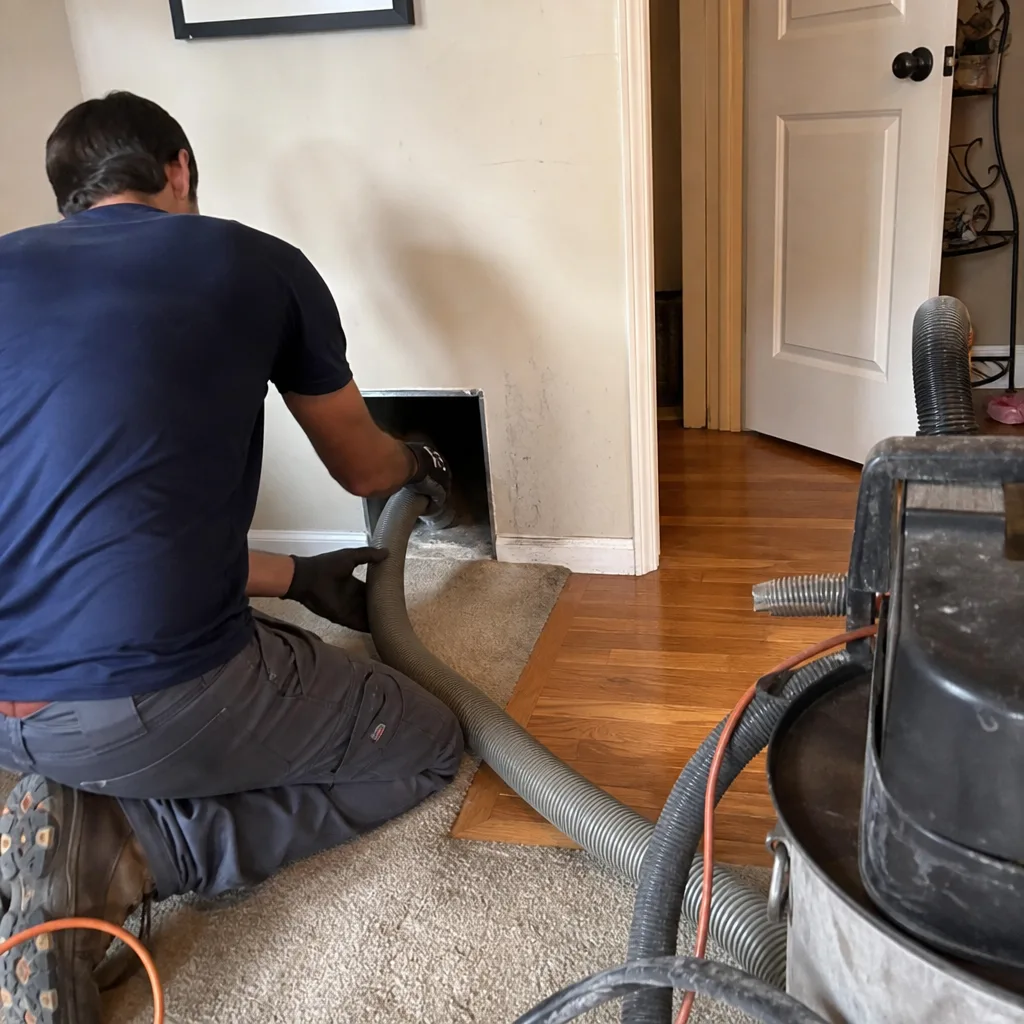
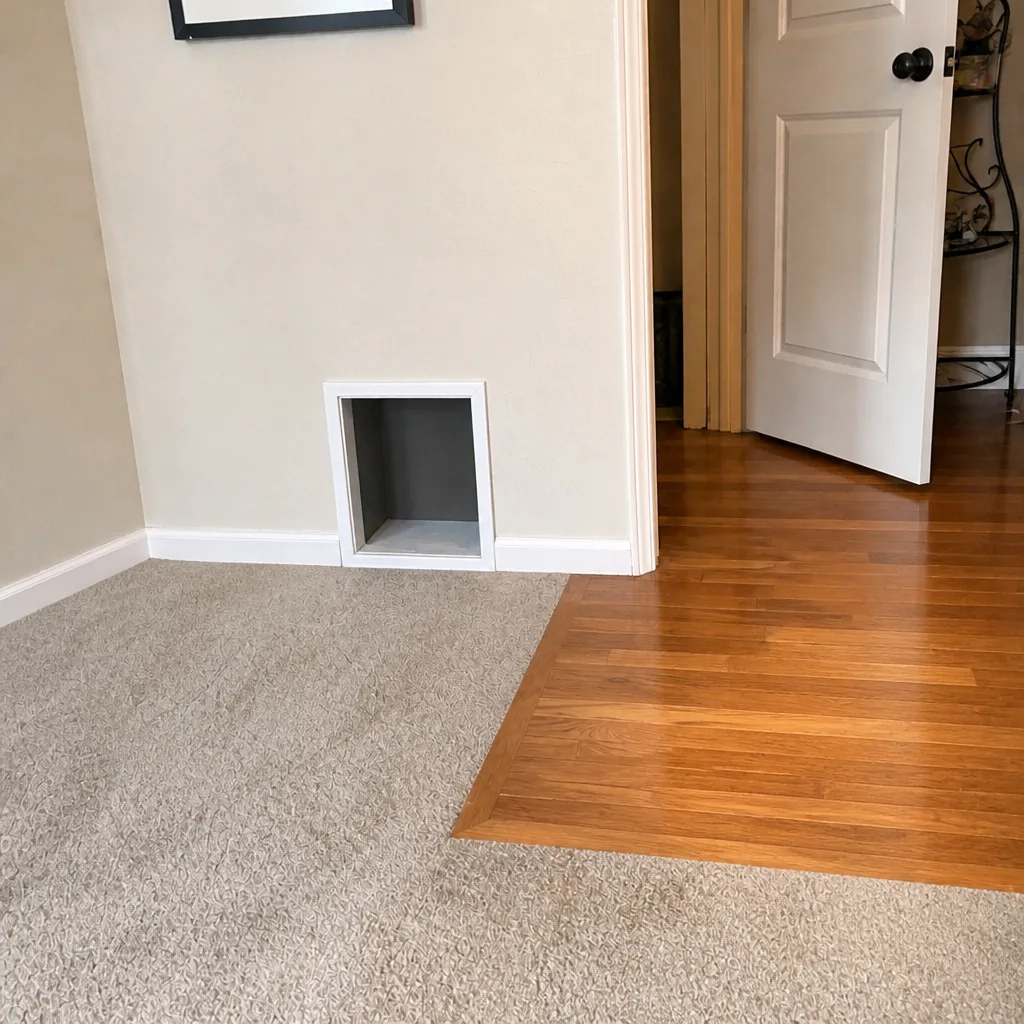
Whole-system duct and dryer vent check with before-and-after photos - you see exactly what came out of your vents
That "$99 whole-house special" is a bait ad - the real number appears once they are in your hallway, or the "clean" is a shop-vac at the register. We photograph the inside of your ducts before and after instead.
Air Duct Cleaning Warning Signs: A Northgate Homeowner’s Reference Guide
If one room in your house is always colder than the others, your first instinct is probably to blame the furnace. The more likely culprit is a debris-restricted duct run, a distinction that changes everything about the fix. Most duct problems announce themselves as heating and cooling symptoms, so homeowners spend money on thermostat adjustments and equipment tune-ups while the actual cause sits inside the ductwork, unnoticed. We put this reference guide together to map those misleading symptoms to their duct-specific causes. You’ll learn what to watch for, how to tell a cleanliness problem from an equipment problem, and when a professional inspection is the right next step in Northgate.
Quick Answer
The main warning signs of dirty or damaged ducts are uneven room temperatures, dust that reappears within days of cleaning, a musty smell at the registers, allergy symptoms that flare when the HVAC runs, and pest evidence near vents. These point to debris loading or leaks in the duct system rather than a furnace or AC failure. In most cases a professional inspection confirms the cause and a full-system clean, combined with sealing where needed, resolves it.
Styles & brands we work with
- Whole-home duct cleaning
- Dryer vent cleaning
- Camera inspection
- Sanitizing & deodorizing
Table of Contents
- Uneven Heating and Cooling Room to Room
- Dust Reappearing Days After Cleaning
- Musty Odor at the Registers
- Allergy Symptoms That Track HVAC Run Time
- Pest Evidence and What It Says About Duct Integrity
- How a Professional Inspection Works
- Why Sealing and Repair Matter After Cleaning
- Common Mistakes to Avoid
- When to Call a Professional
- Frequently Asked Questions
Uneven Heating and Cooling Room to Room
When one room runs several degrees hotter or cooler than the rest of the house, the furnace and the air conditioner are usually doing their job. The problem sits further down the line. A duct run feeding a single room can accumulate dust, debris, and even construction dust that restricts airflow, so that room gets a trickle of conditioned air while the rest of the house gets a steady stream. The equipment is fine; the delivery system is not.
In our experience, this is the single most misread duct symptom. A homeowner calls an HVAC technician because a bedroom won’t warm up, the technician confirms the furnace is running correctly, and the problem goes unresolved until someone looks inside the ducts. Here’s how to tell the difference:
- Equipment problem: every room is affected roughly equally, or output is weak throughout the house.
- Duct restriction: one or two rooms are consistently off while the rest are comfortable.
- Duct leak: rooms near the furnace or air handler stay comfortable while rooms at the end of long runs feel starved.
Northgate’s older housing stock often has duct layouts from original construction that don’t match how rooms are used today. Additions, converted garages, and finished basements can all sit at the end of long, undersized, or leaking runs. A room-by-room temperature check during an inspection tells you quickly whether you’re looking at a duct issue or a real equipment fault. Once airflow is restored through cleaning and any leaks are sealed, the temperature gap in that stubborn room usually closes. To understand the full process, see our guide to air duct cleaning.
Dust Reappearing Days After Cleaning
If your tables and shelves collect a fresh film of dust within days of you wiping them down, the ducts are likely still loading the air with particles every time the system runs. Surface dust is never just a housekeeping problem, however much it looks like one. When the dust returns that fast, the source is active and continuous: dust in the supply run gets lifted with every heating and cooling cycle and deposited on the living space.
The key distinction is speed of return. Everyone’s home gets dusty between cleanings. What tells you the ducts are the source:
- Dust settles noticeably fast, within days rather than weeks.
- Dust collects in patterns near supply registers and along ceiling lines.
- Horizontal surfaces in the rooms closest to the air handler show the heaviest buildup.
- You notice the dust getting worse after the HVAC has been running most of the day.
Professional cleaning with mechanical agitation loosens dust that has bonded to the duct walls, and negative-air extraction pulls it out of the system instead of blowing it into the house. That two-step sequence is the difference between a real clean and a blow-and-go job where dust is knocked loose and then cycles back into the rooms. Our air duct cleaning Northgate service uses this dual method because it’s the only way to stop dust from reappearing so quickly. For homeowners, the fastest way to know your ducts are actually the source is a camera inspection inside the trunk line.
Musty Odor at the Registers
A musty smell with no obvious cause is a duct issue until proven otherwise. Odors carry through the duct system from wherever contamination sits, so the smell at the register is often the first and only sign a homeowner gets. The trick is figuring out whether the source is mold inside the ducts or mold at the cooling coil.
Here’s how the two differ:
- Mold in the ducts: the smell is strongest at the supply registers and varies by room depending on run length. Removing the register cover may reveal moisture staining or visible growth inside the boot.
- Mold at the coil: the smell is strongest when the AC first starts and fades as the system runs. It’s a damp, dirty-sock note in the air rather than a room-specific odor.
- Both: not unusual in humid months, and it’s exactly why we assess the coil, drain pan, and duct interior together before recommending treatment.
This distinction matters because the fix is different. Cleaning a duct system that’s fine doesn’t remove coil mold, and cleaning the coil won’t help if the ducts are contaminated. A proper inspection examines both. In Northgate, the wetter months put more moisture into the air that reaches the supply side, so any small leak in an attic or crawlspace duct run can create conditions where mold develops. When contamination is confirmed and cleaning alone isn’t enough, we use equipment from Abatement Technologies to treat the situation at a remediation level rather than a light surface clean.
Allergy Symptoms That Track HVAC Run Time
If allergy symptoms follow your HVAC schedule, that’s a specific red flag. When sneezing, congestion, or eye irritation flares up while the system is actively running and eases when it’s off, the system is circulating particulate into the air you’re breathing. Seasonality alone doesn’t explain that pattern; the trigger is the unit itself.
Watch for these patterns:
- Symptoms that intensify during heating and cooling cycles and fade when the system is idle.
- Worse symptoms in rooms closest to supply vents.
- Household members without seasonal allergies showing irritation that appears only indoors.
- Early-morning symptoms that clear shortly after leaving the house.
Filter maintenance matters here, but it isn’t the whole story. Even a correctly sized filter can only catch what reaches it, and a system with debris-coated duct walls keeps releasing particles upstream of the filter. Cleaning the duct system removes the reservoir. Then it’s worth looking at whole-home filtration, which is where product familiarity pays off. We regularly assess and advise on Honeywell and Aprilaire filtration systems as part of a broader conversation about air quality, because cleaning alone doesn’t always solve an indoor-air problem if the filter setup is undersized for the house.
For homes where contamination is heavy or where mold has been confirmed, sanitizing the system after cleaning gives you a cleaner baseline to maintain. Our HVAC cleaning and air quality services cover the coil, plenum, and filtration side of the system as well as the duct runs.
Pest Evidence and What It Says About Duct Integrity
Droppings, gnaw marks, or insect fragments near registers or inside a mechanical room mean two things: something has gotten in, and the duct system has an opening it shouldn’t. Cleaning alone doesn’t fully resolve this until the entry point is closed.
Here’s what to look for and what each sign indicates:
- Droppings near registers or inside the boot: a pest has been inside the duct or is reaching it from a nearby wall cavity. This warrants a full inspection, not a spot clean.
- Gnaw marks on duct insulation or flexible duct connectors: rodents in the attic or crawlspace, and a duct system that may have lost integrity at the same point.
- Insect remains and casings in mechanical rooms: often a sign of condensation issues, which themselves point to duct problems.
- Nesting material visible at a vent cover: a blocked or disconnected run, which also explains airflow loss in that zone.
Pest contamination is one of the few scenarios where basic duct cleaning isn’t enough. You need a full inspection, a proper clean, and repair of any openings found. Sealing is part of the fix, and so is identifying how the pest got in so it doesn’t happen again. Because we handle repair and sealing in-house, this is a single-visit resolution rather than a handoff to a second contractor after cleaning.
How a Professional Inspection Works
A proper inspection is the step that separates a real service from a guess. A thorough inspection answers three questions: how much debris has built up, where the leaks and disconnections are, and whether contamination (mold, pest, or heavy particulate) requires treatment beyond cleaning.
Here’s how a professional-grade inspection usually runs:
- Camera inspection inside the trunk and main runs. This shows debris depth, moisture, and any visible damage.
- Airflow check at each supply register. Readings taken room to room identify restricted or disconnected runs.
- Coil and air handler inspection. Locates the odor source if musty smells are present and confirms whether mold is at the coil rather than in the ducts.
- Leak check along accessible runs. Seam gaps, disconnected joints, and damaged insulation get flagged for repair.
- Summary and recommendations. Findings are explained in plain terms, and the cleaning and repair scope is written out before any work is agreed.
What you’ll want from any inspection is a clear scope, not a pitch. If a technician can’t show you what they found on a camera or show you airflow readings, that’s a sign to get a second look. Alongside the duct system, a proper inspection also checks the dryer vent, which is a separate fire-safety concern. Our dryer vent cleaning service handles that as part of the broader check, and the same professional-grade equipment handles both.
Why Sealing and Repair Matter After Cleaning
Cleaning a duct system without sealing it is a short-lived fix. A duct system that leaks at seams or has disconnected joints pulls air from attics, crawlspaces, and wall cavities every time the HVAC runs. Seal those leaks, and cleaning remains effective; leave them, and the system quietly recontaminates itself within weeks.
The symptoms you’ve read about in this guide often overlap with leaks:
- Uneven room temperatures that cleaning alone doesn’t fully fix.
- Dust that keeps returning even after a thorough clean.
- Higher energy use because the system has to run longer to deliver the same comfort.
- Musty odors returning after a successful cleaning if the leaks are still open.
Duct repair and sealing closes those gaps so the clean actually holds. That’s why we combine cleaning and repair rather than treating them as separate jobs. Cleaning the ducts depends on the system being sealed; sealing a dirty system just traps the debris in place. Doing both in one visit is the difference between a fix that lasts and one that doesn’t.
Common Mistakes to Avoid
- Blaming the furnace for a room that’s always cold. In most cases the equipment is running fine; the run feeding that room is restricted or disconnected. Get airflow readings at the register before you replace equipment.
- Treating a fresh layer of dust as a housekeeping issue. Dust that returns within days of cleaning means the system is actively releasing it. Wiping surfaces without addressing the source just repeats the cycle.
- Treating a musty odor by cleaning only the ducts. If the smell is coming from the coil, the ducts aren’t the source. A proper inspection checks both before any work begins.
- Cleaning before identifying leaks. A cleaned system with leaks will recontaminate, sometimes within weeks. Cleaning plus sealing is what makes the result stick.
- Spot-cleaning after pest activity. Droppings and gnaw marks mean an opening exists in the system. Cleaning without finding and sealing that opening just leaves the problem in place.
- Choosing a cleaner based on the coupon price alone. A low coupon price that becomes a much larger invoice once the technician is on site is the most common bait-and-switch in this trade. Ask for a written whole-system scope, not a per-vent quote.
- Assuming a filter change solves indoor air quality. A filter catches what reaches it. It doesn’t remove debris loading the duct walls or fix leaks that undercut pressure balance throughout the house.
When to Call a Professional
Some duct issues are worth handling yourself. Filter changes are a homeowner job. But when the symptoms in this guide show up together, a professional inspection is the honest next step. Call us when one room is consistently off temperature, dust returns within days of cleaning, a musty smell persists at the registers, allergy symptoms flare only when the HVAC runs, or you find pest evidence inside a vent or mechanical room. If your ducts have not been inspected in years, that alone is a reason to book a check, especially in older Northgate homes where ductwork may never have been touched.
Air Duct Cleaning Northgate offers free estimates in Northgate. Call (877) 492-3448. We answer 24/7. Fast dispatch from 7am to 7pm, Sunday through Friday.
Frequently Asked Questions
Most whole-home duct cleaning runs several hundred dollars, with pricing set per job after the written estimate. The final number depends on the number of runs, the amount of debris found, whether repair or sealing is needed, and whether sanitizing is included. We give one flat price per system, agreed before work starts, so the number on the estimate is the number you pay. Call (877) 492-3448 for an exact quote; estimates are free.
Low quotes are usually per-vent teaser pricing that expands into a much larger invoice once the technician is on site. They also tend to be blow-and-go jobs: dust is knocked loose but not extracted, so it cycles right back into the house. A real clean uses mechanical agitation plus negative-air extraction, and it takes time. Ask what method is used and get the scope in writing before you agree to anything. Call (877) 492-3448 for an honest whole-system estimate.
Ask for before-and-after photos of your own ducts, and ask to see them from the same angle. A technician should be able to show you camera footage of the duct interior before cleaning and again after. If a company can’t provide that on request, it’s a sign to look elsewhere. We take photos as part of every job so the result is verifiable. Call (877) 492-3448 to book an inspection.
Most homes do fine with a professional inspection every few years, and cleaning when the inspection confirms debris loading or contamination. Homes with pets, recent renovations, or a history of pest activity may need it more often. The signs in this guide are a better trigger than a rigid schedule, so if you’re noticing them, book an inspection rather than counting years. Call (877) 492-3448 for a free estimate.
If the symptoms flare while the HVAC is running and ease when it’s off, the ducts are a plausible contributor. A debris-loaded system circulates particulate into the living space with every cycle. Cleaning reduces the source, and a proper filtration setup from brands like Honeywell or Aprilaire reduces what circulates afterward. Call (877) 492-3448 to schedule an inspection and see what’s actually in your ducts.
If your symptoms include uneven room temperatures, dust returning fast, or musty odors that come back after cleaning, leaks are likely present and repair is needed. Cleaning without sealing lets the system recontaminate itself. A proper inspection tells you which you need. We handle cleaning, repair, and sanitizing in the same visit, so you’re not hiring a second contractor to finish the job. Call (877) 492-3448 for a free estimate.
The Bottom Line
Almost every warning sign in this guide shows up as a heating or cooling problem, and almost none of them are the furnace’s fault. Uneven room temperatures, dust that returns in days, a musty smell at the registers, allergy symptoms tied to HVAC cycles, and pest evidence all reach back to the duct system itself. The fix isn’t a thermostat tweak or a coupon clean. It’s an inspection, a genuine full-system clean, sealing of any leaks, and sanitizing where contamination calls for it. If any of these signs sound familiar in your Northgate home, get a professional opinion before the next season.
Call (877) 492-3448 for a free estimate. We answer 24/7. Fast dispatch from 7am to 7pm, Sunday through Friday.
Written by the team at Air Duct Cleaning Northgate.
See the difference
 Before
 After
 Before
 After
 Before
 After