
Last updated November 22, 2026
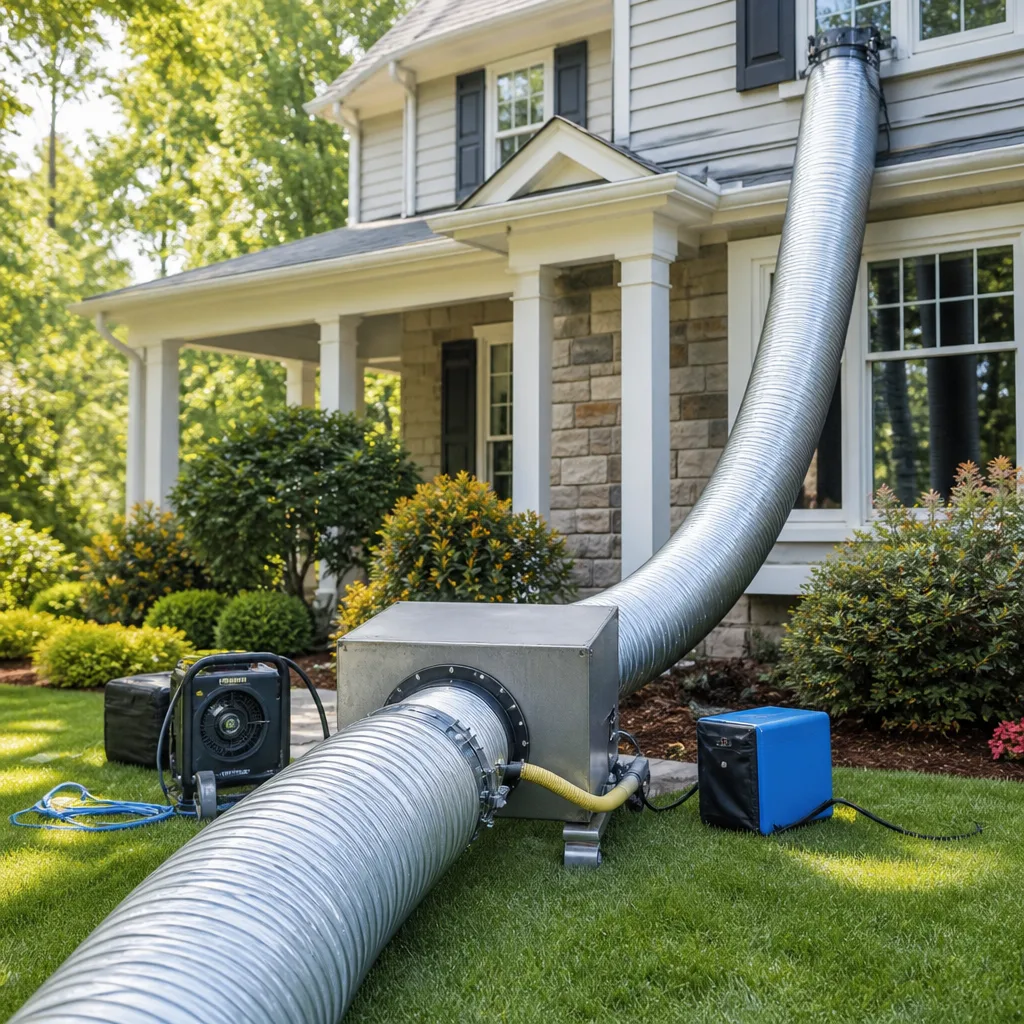 Whole-home duct cleaning
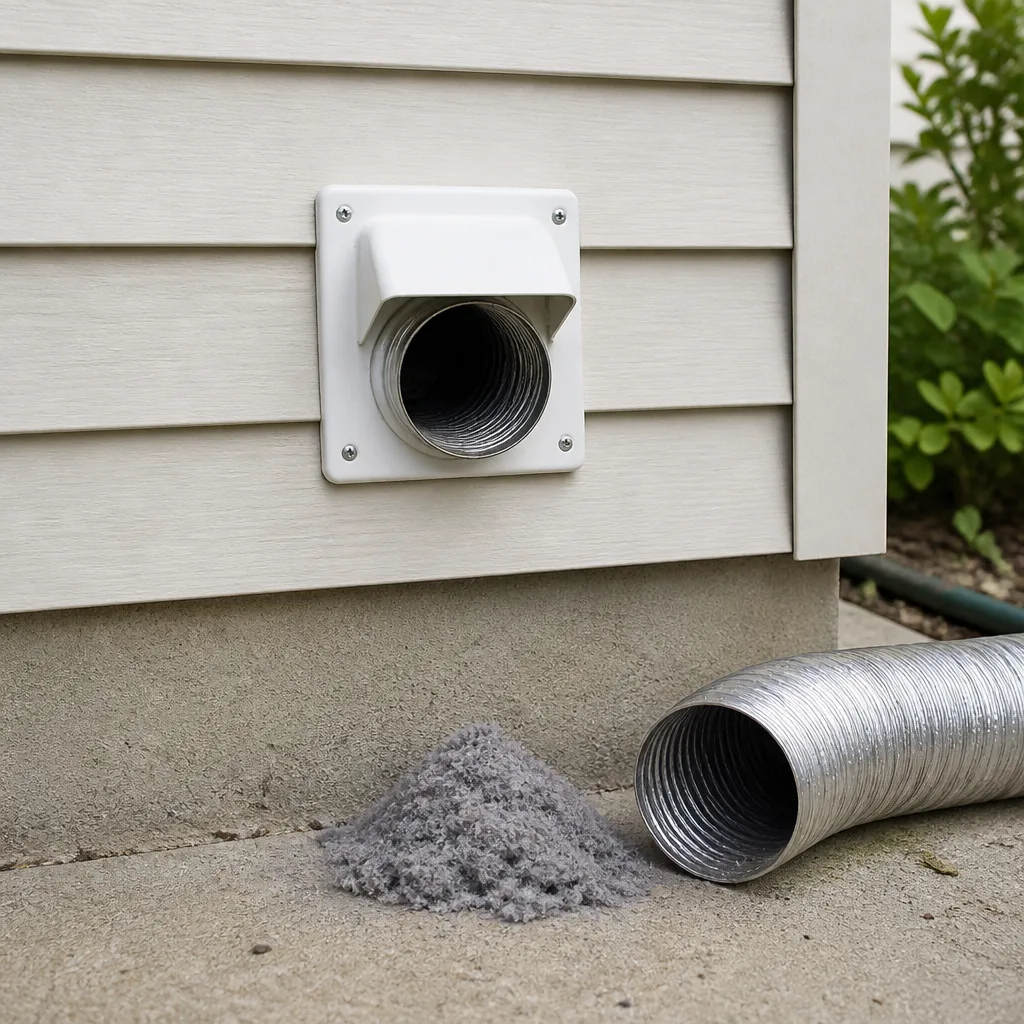 Dryer vent cleaning
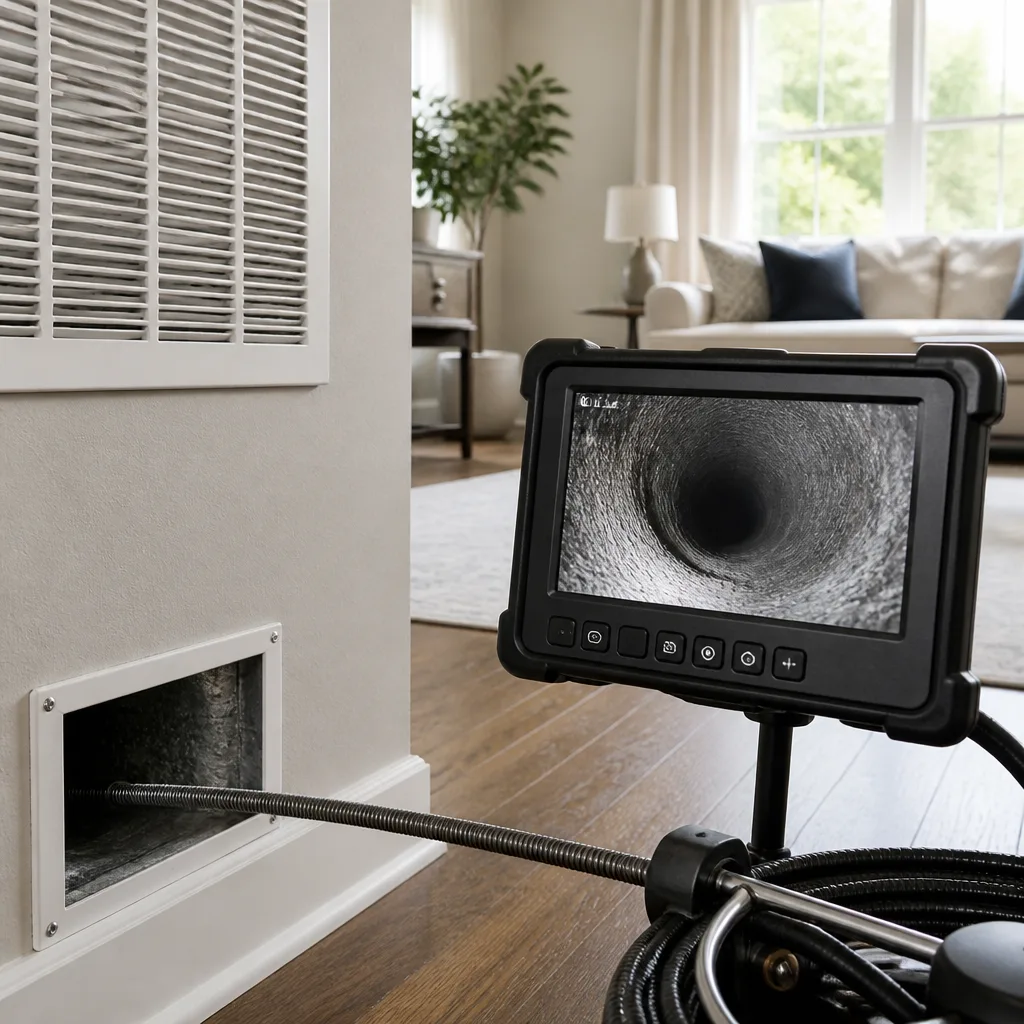 Camera inspection
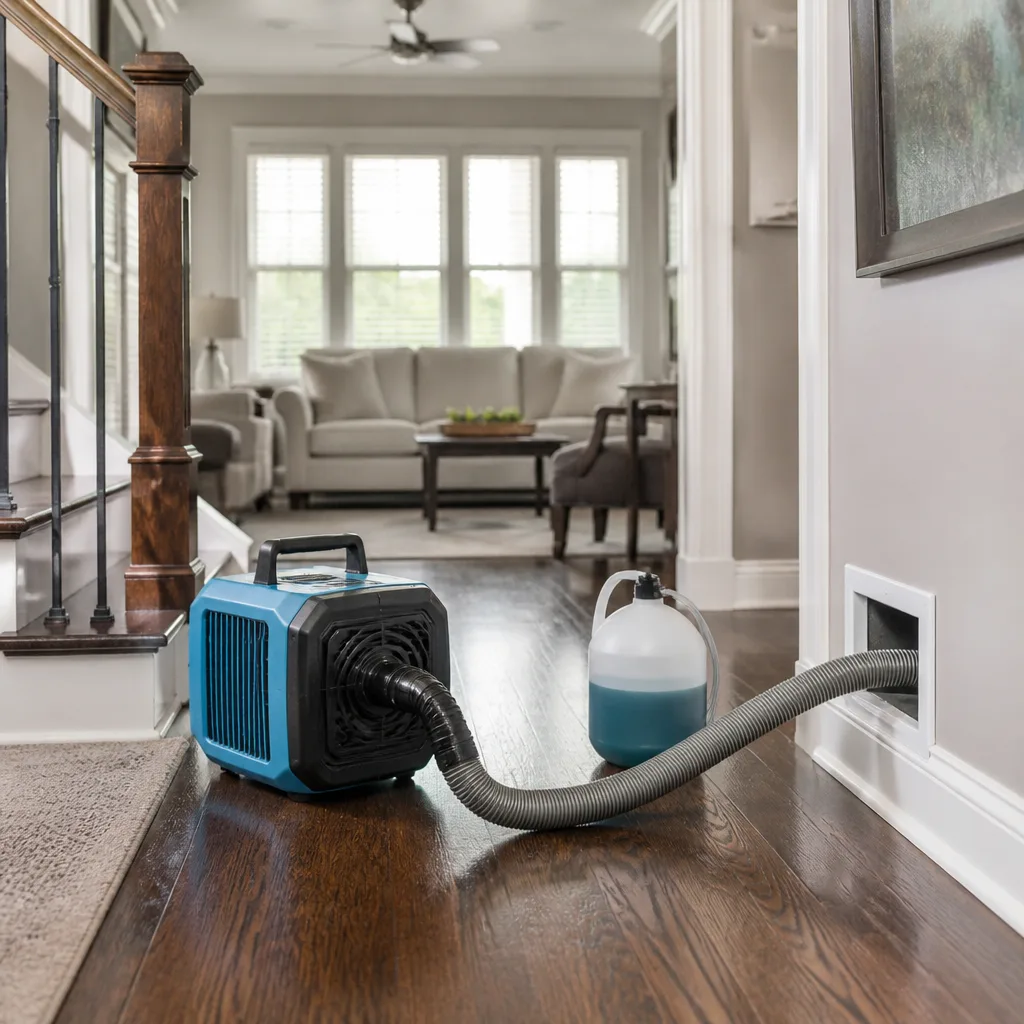 Sanitizing & deodorizing
Whole-system duct and dryer vent check with before-and-after photos - you see exactly what came out of your vents
That "$99 whole-house special" is a bait ad - the real number appears once they are in your hallway, or the "clean" is a shop-vac at the register. We photograph the inside of your ducts before and after instead.
The Complete Guide to Air Duct Cleaning in Northgate
Most homeowners who’ve had their ducts cleaned received a vacuum pass and a bill. The technician ran a hose through the registers, pulled some dust out, and left. What they didn’t get was a full-system clean, because a proper job isn’t a single act. It’s a sequence: inspection, mechanical agitation, negative-pressure extraction, then optional sanitizing. Skip a step and the next one can’t do its job. This guide maps that full sequence for Northgate homeowners, so you can tell whether a quoted job is complete or just surface-level, and ask better questions before anyone shows up.
Quick Answer
A complete air duct cleaning in Northgate involves four sequenced steps: a camera-scope inspection to map the system and locate contamination, rotary brush agitation to break compacted debris loose from duct walls, negative-air extraction to pull that debris out of the system entirely, and sanitizing only when the inspection shows microbial growth or heavy organic soil. A job that skips inspection, or that relies on contact vacuuming alone, is not a full-system clean regardless of what the invoice says.
Styles & brands we work with
- Whole-home duct cleaning
- Dryer vent cleaning
- Camera inspection
- Sanitizing & deodorizing
Table of Contents
- Why Air Duct Cleaning Is a Process, Not a Service
- Step One: Inspection With a Camera Scope
- Step Two: Rotary Brush Agitation
- Step Three: Negative-Air Extraction and Why It Matters
- Step Four: When Sanitizing Is Necessary and When It Isn’t
- How Northgate’s Older Housing Stock Changes the Job
- Duct Repair and Sealing: The Step Most Cleaners Skip
- How to Evaluate a Duct Cleaning Quote
Why Air Duct Cleaning Is a Process, Not a Service
The industry has a naming problem. “Air duct cleaning” describes an outcome, not the work. Two companies can offer the same phrase and deliver completely different results, one removing a light dust film from the first few feet of accessible trunk line, the other pulling years of compacted debris out of every branch of the system. The difference isn’t effort. It’s sequence.
Here’s why the order matters. Duct interiors accumulate in layers. Loose dust sits on the surface and comes off easily with any vacuum. Beneath it, humidity and airflow press finer particulate into a compacted film that bonds to the metal or flex liner. A vacuum alone can’t break that film loose; it takes mechanical contact. And once that film is dislodged, the debris has to go somewhere. If the system isn’t under negative pressure while agitation happens, a portion of what you loosen simply resettles downstream, and the job is partly undone before it’s finished.
That’s the logic behind the dual-method approach we use, pairing a Rotobrush system for mechanical agitation with Nikro negative-air equipment for source extraction. It’s also why we treat inspection as the first paid hour of work rather than an upsell: you can’t choose the right process for a system you haven’t seen.
At a practical level, professional-grade equipment separates a real clean from a cosmetic one. Home vacuums and shop vacs move air, but not enough volume at enough static pressure to evacuate a residential trunk-and-branch system. The tools exist because the physics demands them. See the difference negative-air extraction makes in a system that hasn’t been opened in a decade, and the process argument stops being abstract.
Step One: Inspection With a Camera Scope
Every complete air duct cleaning in Northgate starts with a look inside the system, not a guess about it. Visual inspection through the registers tells you almost nothing about the condition of the trunk line, the branch runs behind walls, or the interior of the air handler cabinet. A camera scope does. In our experience, the first ten minutes of scoping routinely change the plan.
What an inspection should establish:
- Duct material and condition. Rigid galvanized metal, flex duct, duct board, and lined internal insulation all fail differently and require different tooling and brush pressure.
- Contamination type and depth. Surface dust, compacted particulate, biological growth, or debris from a renovation or pest activity. Each calls for a different response.
- Leak locations. Disconnected joints, torn flex liner, and failed mastic at seams. These matter more than most homeowners realize.
- Access points. Where cuts need to be made to reach the system properly, and how to seal them afterward so the duct is left better than it was found.
- Air handler condition. The blower wheel and evaporator coil, which are often the dirtiest surfaces in the whole system and the most overlooked.
An inspection-driven workflow produces a written scope before work starts: what will be cleaned, how, with which tools, and what the estimate covers. If a quote arrives before anyone has looked inside the ducts, it isn’t an estimate. It’s a guess with a number attached.
Step Two: Rotary Brush Agitation
Compacted debris doesn’t volunteer. Duct walls hold a film of dust, lint, pet hair, and cooking particulate that has been pressed into place by years of airflow and seasonal humidity swings. Contact vacuuming lifts what’s loose and leaves the rest. Rotary brush agitation is what breaks the bond.
A rotary brush is a spinning head on a flexible whip that travels the length of a duct run, scouring the interior surface as it goes. The brush size and stiffness are matched to the duct material: softer brush heads and lower speed for flex liner, firmer contact for rigid metal. Too aggressive on the wrong material and you tear the liner; too gentle and you polish the surface without removing anything.
This is where a name-brand tool earns its place. Rotobrush systems are built specifically for inside-duct work, with controlled rotation and interchangeable heads, which is why the agitation step happens with one rather than with a shop vac attachment improvised for the purpose. The brush does the dislodging. Everything downstream depends on it happening thoroughly.
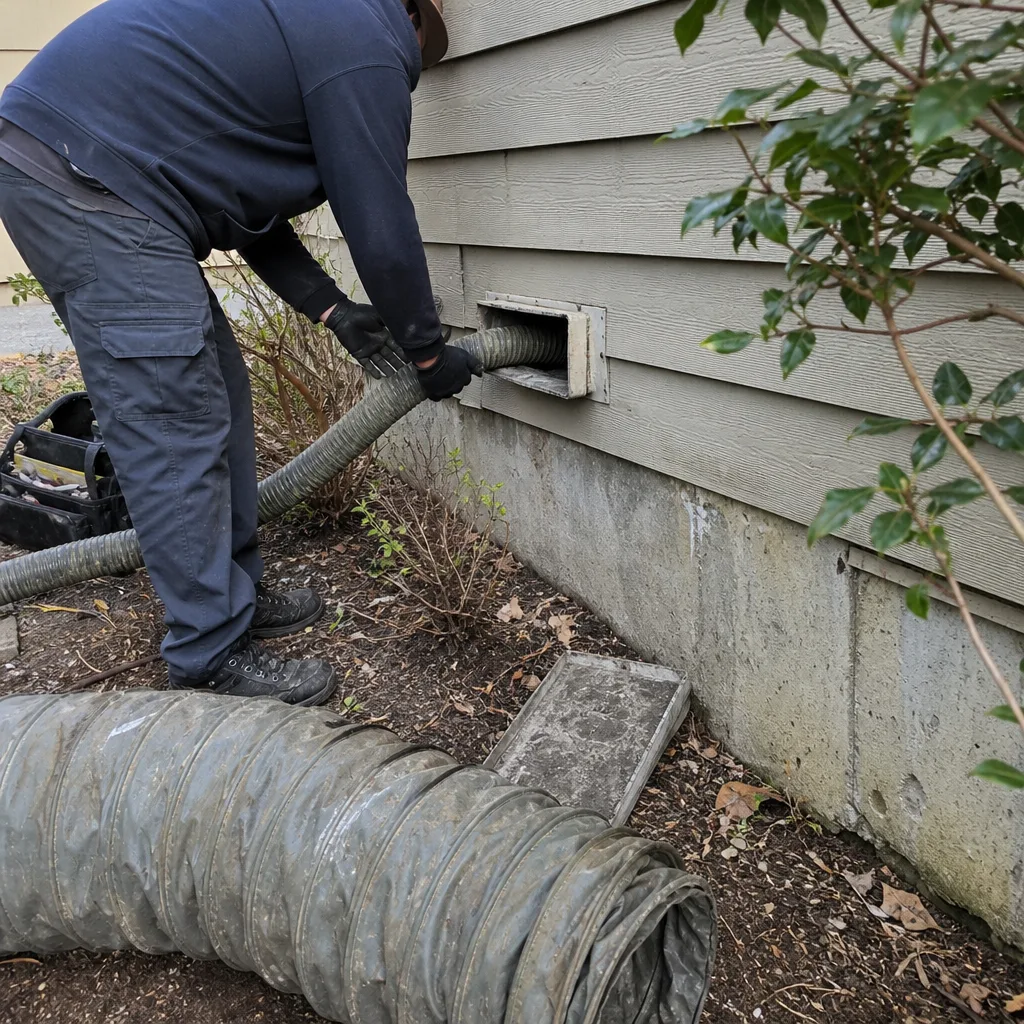
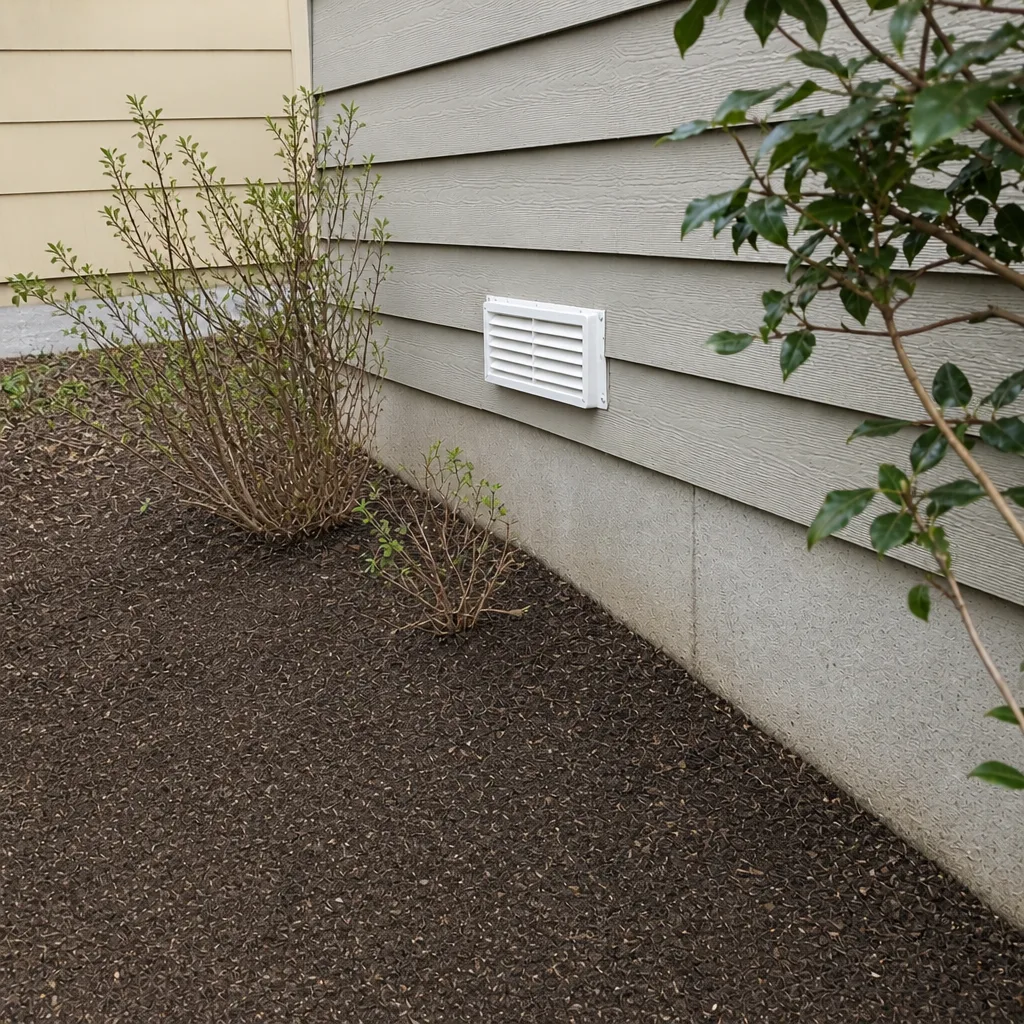
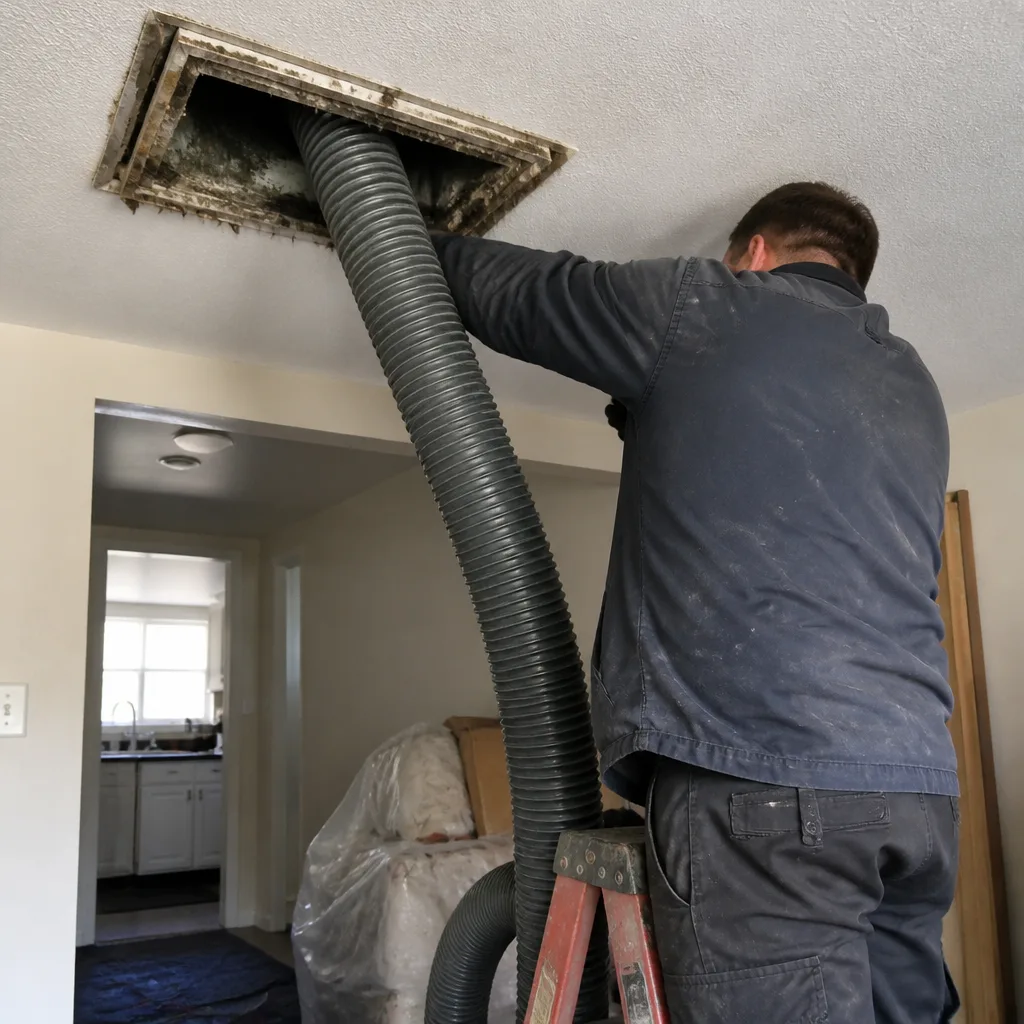
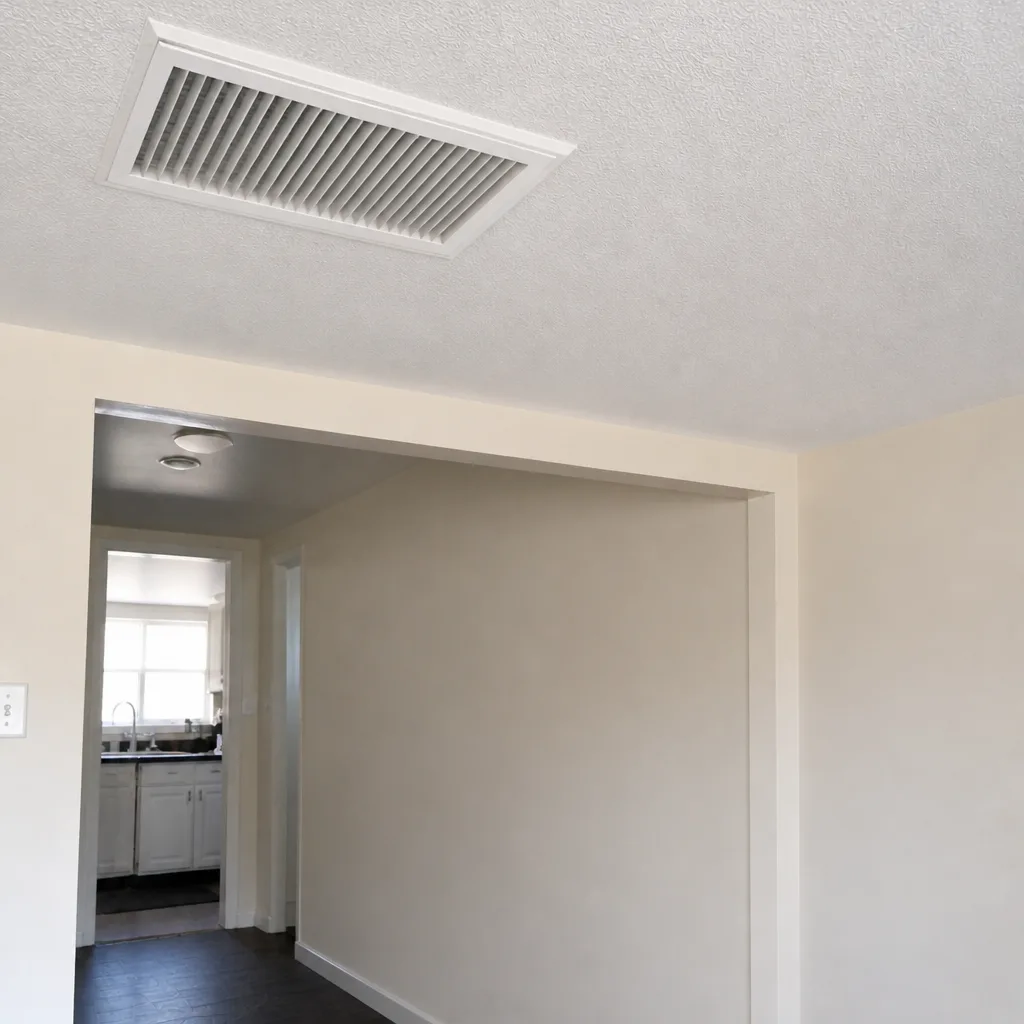
Agitation is also the step that produces the most visible change. In homes where the return side hasn’t been opened in years, the material that comes off the brush head is the honest measure of how much was sitting in the system. It’s why before-and-after photos of your own ducts, not stock images, are worth asking for.
Step Three: Negative-Air Extraction and Why It Matters
Source removal is the principle that separates professional duct cleaning from a vacuum pass. The goal isn’t to make the duct surface look cleaner. It’s to get the contamination out of the building. Negative-air extraction is how that happens.
Here’s the distinction that matters most. A contact vacuum pulls debris toward a nozzle at the point of contact. It works on what the nozzle touches, leaving everything outside that small zone untouched. Negative-pressure extraction works differently: the extraction unit connects to the system at a strategic point and puts the entire duct network under negative pressure, so when agitation loosens debris anywhere in the system, air movement carries it toward the extraction point rather than into the living space.
Why that matters in practice:
- Loose particulate is captured at the source instead of migrating into rooms through supply registers.
- The whole system is under containment while work happens, which keeps the process clean for occupants.
- Fine debris that agitation has dislodged but not fully removed gets pulled into the extractor rather than resettling on the floor of the duct.
- HEPA filtration on the extraction unit captures the fine fraction that a standard vacuum would exhaust back into the room.
We use Nikro negative-air equipment for exactly this reason, and for contamination-level situations where a standard setup isn’t enough, Abatement Technologies equipment lets us handle the job without turning it away. A duct system with biological growth or heavy particulate isn’t a bigger version of a routine clean. It’s a different job with different containment requirements.
Step Four: When Sanitizing Is Necessary and When It Isn’t
Sanitizing is the step most often sold and least often needed. Here’s the honest boundary: if the inspection shows no microbial growth, no persistent odor, and no moisture problem, cleaning is the job and sanitizing is optional. If the camera scope finds biological growth on duct surfaces, if there’s a musty smell that survives the clean, or if a moisture source has been addressed and the system is now dry, then a sanitizing application is a legitimate final step.
The logic is simple. Cleaning removes the soil that organisms feed on. Sanitizing treats surfaces that cleaning can’t fully sterilize, and it only works when the surface is clean first. Applying a sanitizer over contaminated duct walls is wasted product. Applying it without first finding and fixing the moisture source is worse than wasted; it’s a treatment that will be undone within a heating season.
What a legitimate sanitizing step should look like:
- The ducts are cleaned and verified dry before anything is applied.
- The product is EPA-registered for use in HVAC systems, with the label available on request.
- Application is matched to the system, fogged through the ductwork under controlled conditions, not sprayed into registers from the room.
- Ventilation and re-entry guidance follows the product label.
Our Air Quality & Sanitizing service exists as a standalone for exactly this reason. It’s a distinct treatment, priced and justified on its own findings, not bundled into every invoice as a default line item. If a company quotes sanitizing on every job before looking at yours, ask what it’s treating.
How Northgate’s Older Housing Stock Changes the Job
Northgate’s housing stock skews older, with a substantial share of homes built before 1990, and that history shows up in the ducts. Homes from the mid-century through the late 1980s were frequently built with flex duct on branch runs, and flex behaves very differently from rigid metal. Two factors matter most.
The first is the liner. Flex duct has an internal plastic membrane supported by a wire helix, and that liner degrades with heat cycles and age. A brittle or torn liner can’t take aggressive brushing, and pulling a heavy rotary head through it can shred it outright. A proper job matches brush stiffness to the liner’s condition, which is why the inspection comes first.
The second is the sag. Flex runs installed with too much slack develop low points where condensation collects and dust settles. Those sags concentrate contamination in a way that straight rigid trunk lines don’t. Cleaning a sagging flex run properly means working the full length, not just the first few feet past the register.
The Pacific Northwest climate adds its own wrinkle. Our wet winters and humid shoulder seasons mean duct interiors spend months in a moisture range that promotes biological growth on any organic soil present. That’s not a reason to panic; it’s a reason to fix leaks before they feed a problem. Homes with rigid metal trunk lines from the same era present a different job: more durable surfaces, more aggressive agitation is safe, but seam leakage tends to be the bigger issue.
Whether your system is flex, rigid, or a mix of both, the same four steps apply. Only the tooling and brush selection change.
Duct Repair and Sealing: The Step Most Cleaners Skip
Cleaning a leaky duct system without sealing it is an incomplete job. This is the gap that costs homeowners the most, because the symptom, uneven airflow and dust returning faster than it should, looks like the clean never worked.
Here’s the mechanism. A duct system operates under static pressure, positive on the supply side, negative on the return. Any unsealed joint, disconnected collar, or torn flex liner becomes a leak, and leaks pull unconditioned attic or crawlspace air into the system or push conditioned air out of it. In a Northgate home with ducts running through a vented crawlspace or attic, that means the system draws in whatever is in that space: insulation fibers, dust, and in a damp climate, moisture. Clean the ducts and leave the leaks, and the contamination returns through the same path.
Duct repair and sealing closes the system so the clean holds. It’s a separate trade step that many duct cleaners don’t offer and won’t tell you is needed, which leaves you hunting for a second contractor after the fact. It’s also a meaningful efficiency step. Leakage is lost conditioned air, and sealing it is one of the few duct improvements that pays back directly in system performance.
Pairing the two services makes engineering sense. Sealing is best done after cleaning, when the duct surfaces are accessible and the leak locations have already been mapped by the inspection. Our air duct cleaning in Northgate work includes that inspection and scoping, and the repair and sealing capability sits alongside it, so a single scope of work covers the whole system.
How to Evaluate a Duct Cleaning Quote
Comparing quotes is hard because they rarely describe the same scope. Two invoices with the same headline number can represent very different jobs. The questions below are the ones that separate a full-system quote from a surface-level one.
Ask directly:
- Will you inspect the system with a camera scope before quoting, and can I see the footage?
- What method will be used for agitation, and what method for extraction?
- Is the system put under negative pressure during cleaning?
- Is the air handler, blower, and coil included in the scope, or is it extra?
- Do you seal the access points after cleaning, and do you seal duct leaks?
- Will I get before-and-after photos of my own ducts?
- Are Rotobrush, Nikro, or comparable professional-grade tools used, and is the extraction unit HEPA-filtered?
- Is sanitizing quoted as an optional step based on findings, or added to every job by default?
A complete quote answers most of these without you asking twice. A quote that dodges the extraction question or bundles sanitizing into the base price is telling you something about the process behind it. Ask one more follow-up and see which way it goes.
Common Mistakes to Avoid
- Booking a clean without an inspection. If nobody has looked inside your ductwork, the quote is a guess. Insist on a camera scope and review the footage before agreeing to anything.
- Accepting contact-vacuum-only work as a full clean. A vacuum pass at the registers doesn’t reach the trunk line or the branch runs. Ask how the system is put under negative pressure during the job.
- Skipping the air handler. The blower wheel and coil are often the dirtiest surfaces in the system and sit outside most quotes. Confirm they’re included.
- Sanitizing before cleaning. A sanitizer applied over contaminated duct walls does little. Cleaning and drying come first, and the product should be EPA-registered for HVAC use.
- Cleaning without sealing. Leaky ducts pull attic or crawlspace air back into the system. In Northgate’s damp climate, that undoes the clean within a season.
- Ignoring the flex vs. rigid distinction. Older Northgate homes with pre-1990 flex duct need matched brush pressure. A firm rotary head in a brittle liner can damage it.
- Trusting stock photos as proof. Before-and-after images should be of your own system, taken during your own job. Anyone can show a photo of someone else’s ducts.
See the difference
 Before
 After
 Before
 After
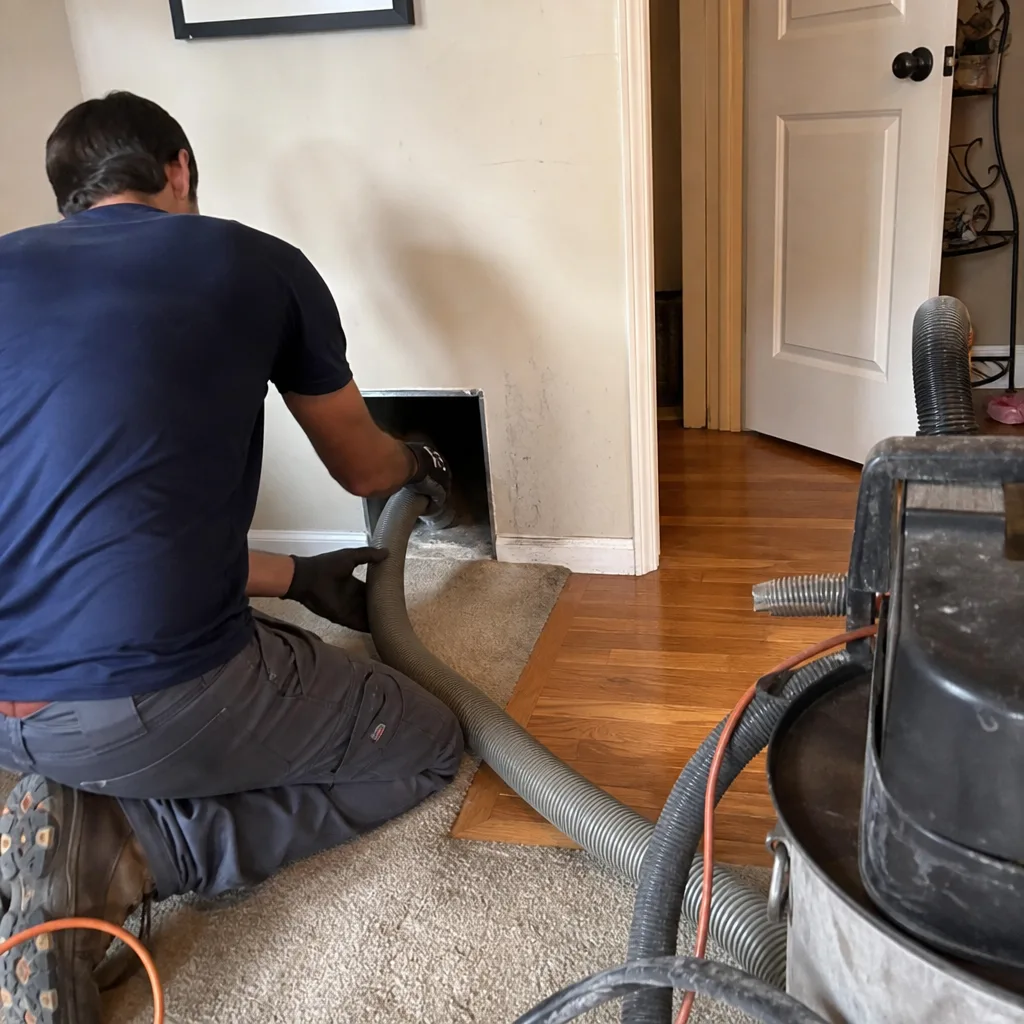 Before
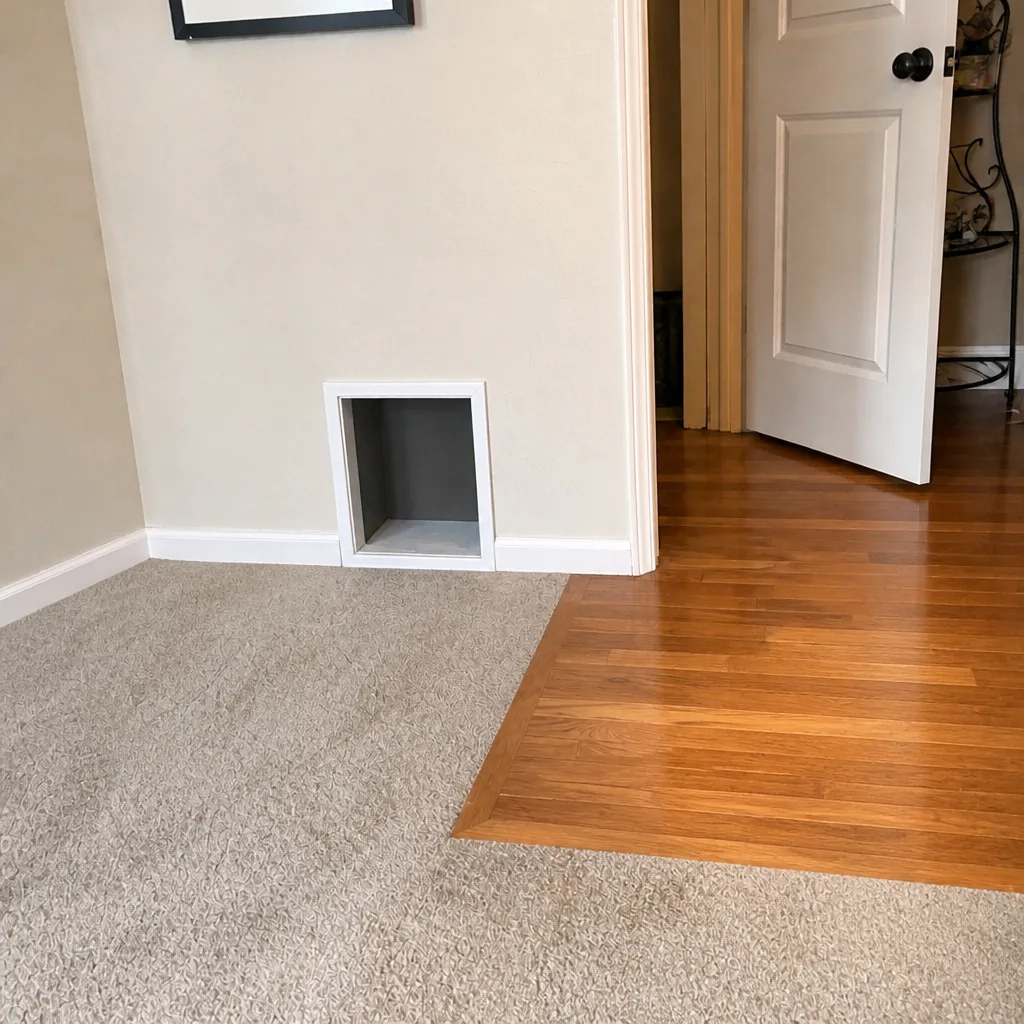 After
When to Call a Professional
Some duct conditions are clearly a professional job, not a homeowner task. Call when you notice a musty or stale smell that returns after cleaning the room, when airflow to one part of the house has dropped noticeably, when you’ve had a renovation or pest problem that left debris in the system, or when you can see visible dust puffing from registers when the system starts. Call too if anyone in the home has allergy-type symptoms that seem tied to the system running, or if the ductwork hasn’t been serviced in years and the home predates 1990. Getting a camera-scope inspection on a system that has never been looked at is worth the call on its own.
Air Duct Cleaning Northgate offers free estimates in Northgate. Our technicians have up to 9 years of experience, and one flat price per system is agreed before work starts. Call (877) 492-3448. We answer 24/7. Fast dispatch from 7am to 7pm, Sunday through Friday.
Frequently Asked Questions
A complete job follows four sequenced steps: camera-scope inspection, rotary brush agitation, negative-air extraction, and sanitizing only when the findings call for it. It also includes the air handler and, critically, sealing access points and any duct leaks afterward. If a company can’t walk you through each step, the job isn’t complete. Call (877) 492-3448 for a free estimate that includes the full scope.
Negative-air extraction puts the entire duct system under negative pressure so dislodged debris travels toward the extraction point instead of resettling. A contact vacuum only reaches the small area its nozzle touches. That’s why extraction, not vacuuming, is the standard for source removal. Call (877) 492-3448 for a free estimate.
No. Sanitizing is necessary when the inspection finds biological growth, persistent odor, or a documented moisture problem, and optional otherwise. It should always follow cleaning and drying, and use an EPA-registered product for HVAC use. A quote that adds sanitizing to every job by default is worth asking about. Call (877) 492-3448 for a free estimate.
Pre-1990 flex duct has an internal liner that degrades with age and can tear under aggressive brushing. The brush stiffness and speed need to match the liner’s condition, and sagging runs need full-length attention because they collect debris at low points. That’s a job-specific assessment, not a one-size process. Call (877) 492-3448 for a free estimate.
We clean, repair, and seal in the same scope. Cleaning a leaky system without sealing it means attic or crawlspace air returns through the leaks and recontaminates the ducts. Closing the system is what makes the clean hold. Call (877) 492-3448 for a free estimate.
There’s no universal interval. Homes with pets, recent renovations, visible register dust, or a musty smell need it sooner than a clean, low-dust home. An inspection answers the question for your specific system far better than a calendar rule. We don’t just clean; we inspect, seal, repair, and sanitize as the findings require. Call (877) 492-3448 for a free estimate.
The Bottom Line
A complete air duct cleaning in Northgate is a sequence, not a service call. Inspection with a camera scope tells you what’s actually in the system. Rotary brush agitation breaks the compacted film loose. Negative-air extraction gets that debris out of the building instead of into it. Sanitizing follows only when the inspection justifies it. Add duct repair and sealing, and the clean holds instead of undoing itself through leak paths within a season. When you get a quote, ask which of those steps are included in writing. The answer tells you whether the invoice describes a full-system clean or a vacuum pass.
One visit, the whole system. Air Duct Cleaning Northgate is your local resource for air duct cleaning with dual-method Rotobrush and Nikro equipment, dryer vent cleaning for home safety, and full HVAC cleaning through the air handler and coil. Call (877) 492-3448 for a free estimate. We answer 24/7. Fast dispatch from 7am to 7pm, Sunday through Friday.
Written by the team at Air Duct Cleaning Northgate.